Renovation dust gets everywhere, and your aircon is basically a big vacuum. After hacking or sanding, the unit can start blowing gritty air or smelling “construction.”
In Japan apartments, work zones are close to living zones, so dust spreads fast. In the rainy season, damp dust also sticks inside and turns into a stubborn film.
In this guide, you’ll learn how to protect your aircon from renovation dust without dismantling anything. You’ll also learn the 5 checks that keep airflow safe during messy work.

Hi, I’m Ken — I’m Japanese, and I live in Malaysia long-term, so I explain everyday life in Japan from a practical ‘from abroad’ perspective.
I hold a building design qualification and I’ve been on site for 20+ years across hundreds of jobs. I turn Japan’s unspoken rules into simple checks, so you can avoid costly mistakes and take the next step with clear actions that feel safe.
1. Aircon after renovation dust: 5 checks
Stop dust at the intake before it becomes an internal cleanup—that is the whole game.
Fine drywall and concrete dust can slip past casual “covering” and coat the filter, coil, and blower. In Japan homes, the indoor unit often sits above a doorway, so dust gets pulled in as people walk through. Do the checks before and during the messy phase, not after the smell starts.
Contain dust and keep it from moving through ventilation paths during remodeling. According to EPA.
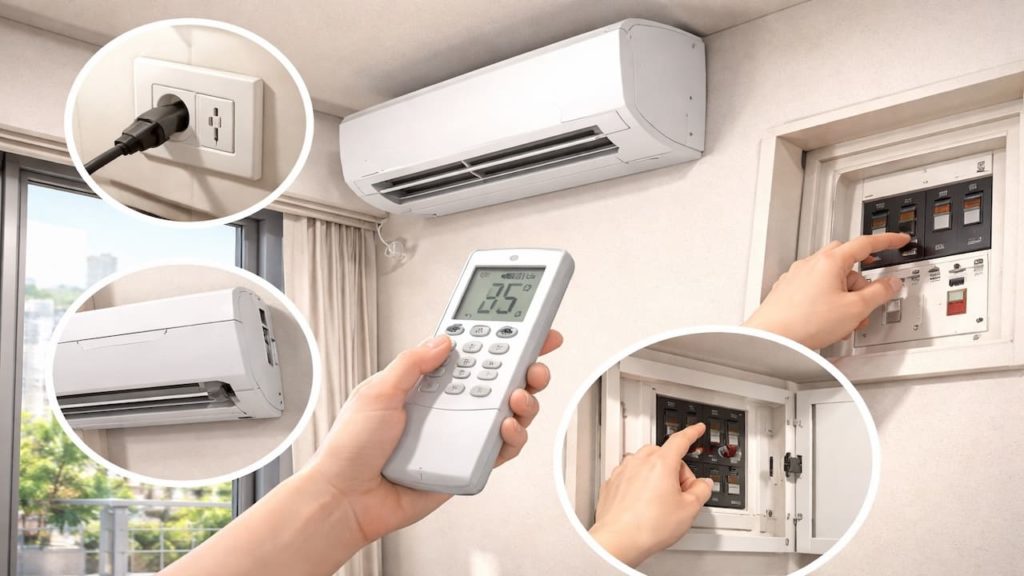
- Turn off indoor unit before any demolition starts
- Remove filter and store it in sealed bag
- Cover indoor unit with plastic without sealing vents
- Check drain pan area for dust clumps weekly
- Run fan only test after cleanup finishes
You might think the filter will catch everything, but fine dust can pack the filter and force air around gaps. If you keep running cooling during hacking, the unit will inhale dust nonstop. Protecting early saves hours later.
2. Protect the unit during hacking
Use barriers and shut down at the right moments—then you avoid turning the aircon into a dust pump.
Hacking creates airborne dust that hangs in the air longer than you expect, especially in a small Japan room. The safest move is to stop the unit during dusty work and block dust travel with plastic sheeting and tape. Treat the aircon intake like a mouth you do not want breathing powder.
Turn off HVAC during dusty work and protect ducts to keep fine dust out. According to EPA.
- Seal work area doors with plastic and tape
- Cover supply vents to prevent dust migration
- Place sticky mat at entry to trap dust
- Use vacuum attachment during drilling and chipping
- Open one window briefly after dusty sessions
You may want to “run the aircon to clear air,” but that just drags dust through the unit. If the room must stay comfortable, use a separate fan blowing outward through a window. Keep the aircon out of the dust stream.
3. Why renovation dust gets into aircons
Aircons pull huge air volume so dust finds every gap—and Japan layouts make the pull stronger.
The indoor unit constantly draws air across the filter and coil, and fine dust behaves like smoke. When doors open and close, pressure shifts push dusty air toward the intake, especially in narrow Japan corridors and 1K-style rooms. Damp weather makes dust stick and clump, which can block airflow and create musty odors later. Dust physics.
- Check room airflow paths between work and unit
- Notice dust clouds near ceiling during chipping
- Watch filter edges for bypass dust lines
- Feel airflow drop after only one dusty day
- Smell for powdery odor after fan starts
You might blame the aircon brand, but any unit will swallow dust if you feed it a dust storm. The goal is not perfect sealing, it is reducing exposure time. Shorter exposure means less internal contamination.
4. How to clean up safely after dusty work
Clean the easy surfaces first and test before deep cleaning—that prevents damage from overdoing it.
After hacking, do a full room cleanup before you run cooling again, because re-suspended dust will re-enter the unit in Japan’s tight rooms. Replace or wash the filter, wipe the louvers, and vacuum the intake area gently; ¥500–2,000 for plastic sheeting, painter’s tape, and a spare filter is usually enough. Then run fan-only to confirm airflow is stable and smell is improving.
- Vacuum floors and wipe walls before aircon use
- Wash filter gently and dry it completely
- Wipe louvers and front panel with dry cloth
- Run fan mode for thirty minutes and sniff
- Schedule professional service if odor persists
You may want to spray liquids inside, but that can push dust deeper or wet electrical parts. Always start with filter and accessible surfaces, then test. If you did this and it still fails, next is a professional coil and blower cleaning.
5. FAQs
Q1. Should I run the aircon during hacking to keep the room livable?
No run it only when dust work is stopped. If you run it during hacking, the unit becomes a dust conveyor and contamination gets harder to reverse.
Q2. Is it enough to just clean the filter after renovation?
Sometimes, but not always. Fine dust can stick to louvers and the coil area, so wipe accessible surfaces and test fan-only first.
Q3. Why does my aircon smell like drywall after renovation?
Dust can cling to damp internal surfaces and release odor when airflow starts. In humid seasons, that smell can last longer unless you reduce remaining room dust first.
Q4. Can I tape plastic directly over the indoor unit?
You can cover it to block dust, but do not create a tight sealed wrap that traps moisture. Use a loose cover and focus on stopping dust at the work zone.
Q5. When should I call a technician after renovation?
Call if airflow drops, odor persists for days, or you see black dust blowing out. Also call if the unit starts dripping water or making new fan noise.
Pro's Tough Talk

I’ve spent 20+ years working around Japanese homes, so I’ve seen what tends to work—and what tends to go wrong—in everyday use. In tsuyu humidity, renovation dust doesn’t “settle,” it sticks and waits. If you let it into the unit, you’ll breathe it again and again.
Three causes. You keep running cooling, so the unit inhales dust like a vacuum eating flour. You skip containment, so dust rides airflow into every corner like smoke with a grudge. You “clean later,” and the damp film inside turns into a gritty paste that clogs and smells.
Turn the aircon off right now.
Seal the work zone and remove the filter today.
Do a full cleanup and fan-only test this weekend.
Contain dust first then prove airflow and smell are normal. If you did this and it still fails, next is a technician deep clean of the coil and blower.
Come on.
You finish hacking, feel proud, then you switch on cooling and the room smells like a cement bag. You wipe the floor once, call it “clean,” then wonder why the filter turns grey in one night.
Keep feeding it dust and you’ll end up paying for a cleaning you created yourself.
Summary
Do the 5 checks before dusty work: shut down, remove the filter, cover the unit loosely, block dust travel, and plan a fan-only test—Japan rooms make dust travel fast.
After hacking, clean the room first, then clean the filter and accessible surfaces, and test airflow and smell in fan mode. If symptoms persist, assume internal dust and escalate calmly.
Turn it off during dusty work and contain the dust today. That one decision protects performance, comfort, and your lungs.