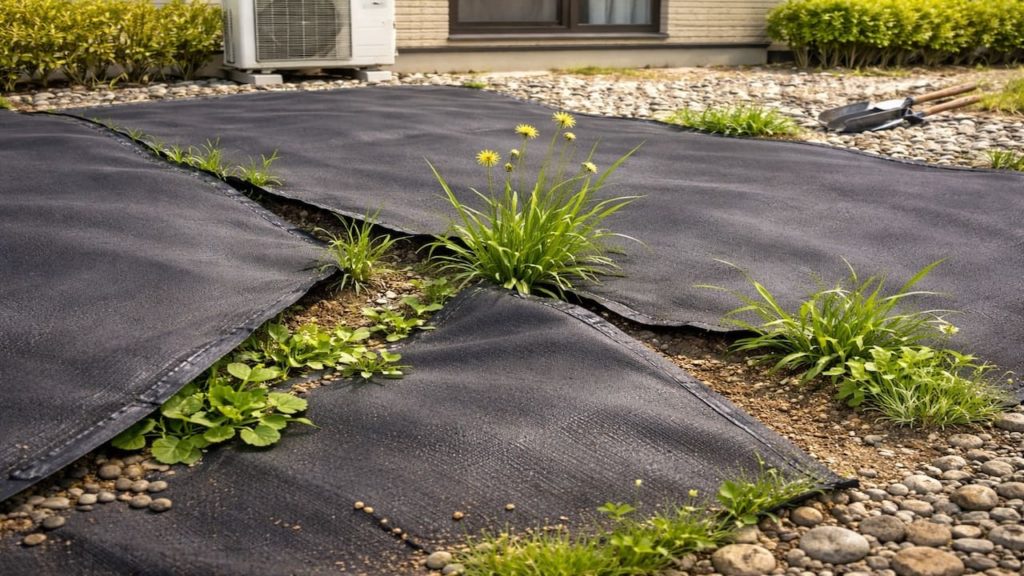
You weed your veggie patch, then two days later it looks like you did nothing. It’s frustrating because you want to grow food, not fight tiny green invaders every weekend.
Weeds come back fast when spacing is tight, soil stays bare, and water splashes seeds into rows. In Japan, rainy season bursts and humid heat make seedlings and weeds race at the same time.
In this guide, you’ll learn how to reduce weeding work in veggie patches. You’ll check spacing, mulch, and row setup so weeds lose light and you spend less time crouching.

Hi, I’m Ken — I’m Japanese, and I live in Malaysia long-term, so I explain everyday life in Japan from a practical ‘from abroad’ perspective.
I hold a building design qualification and I’ve been on site for 20+ years across hundreds of jobs. I turn Japan’s unspoken rules into simple checks, so you can avoid costly mistakes and take the next step with clear actions that feel safe.
1. Weeds in veggie patches 5 checks to reduce work
Design the patch so weeds struggle from day one.
Most “weeding pain” comes from patch layout, not your effort level. If plants are scattered, you create open soil that weeds love, and you also make it hard to move without stepping on beds. In Japan, sudden rain compacts bare soil and then weeds sprout in the cracks. The fix is structure: clear rows, clear paths, and covered soil.
- Map rows so you can reach without stepping
- Keep paths wide enough for a kneeling pad
- Remove weeds while they are thread thin
- Water at soil level not splashy overhead
- Cover bare soil before weeds see sunlight
You might think you need to weed harder or more often. That just burns time. Make the patch harder for weeds, and your weeding becomes quick touch-ups instead of full battles. Smart layout wins.
2. Spacing mulch and rows
Correct spacing and mulch cut weeds without choking crops.
When crops are spaced right, leaves shade soil and weeds get less light. Mulch blocks light and keeps moisture steady, which also reduces stress on veggies. In Japan’s humid summer, mulch helps prevent soil crusting after heavy rain, so you do not get endless tiny sprouts. Expect ¥500–2,000 for basic supplies like straw, leaf mulch, or cardboard if you buy materials.
- Plant in straight rows with consistent gaps
- Leave a path strip between beds for access
- Mulch 5 to 8 cm thick on open soil
- Keep mulch off stems to prevent rot
- Use cardboard under mulch for stubborn spots
Some people fear mulch hides pests, so they avoid it. That creates bare soil, and weeds explode, and you end up touching the bed constantly. Keep mulch tidy, keep airflow, and check under it sometimes. Less weeds, same control.
3. Why veggie patches become weed factories
Bare damp soil plus sunlight is the weed recipe.
Veggie beds get watered, fed, and loosened, so weeds think it is a luxury hotel. If you disturb soil often, you keep bringing buried seeds to the surface where they germinate. In Japan, rainy season splashes soil and seeds into rows, then humidity keeps the top layer damp for days. Weeds love that more than your crops do.
- Check if soil is exposed between each plant
- Notice weeds clustering where water splashes
- Look for compacted crust that cracks after rain
- Spot seed heads from past weeds left nearby
- Watch for thin green haze after warm showers
You might assume weeds mean your soil is “good.” Sure, but good soil needs boundaries. Your job is to feed the vegetables, not feed every seed in the neighborhood. Reduce disturbance, block light, and weeds drop.
4. How to set up a low work veggie patch
Use row covers and defined paths to stay ahead.
Define your beds and paths so you never step into growing soil, then cover what you can. In Japan, people often garden in small spaces, so simple path barriers like gravel or boards stop mud splash and seed drift. The cost is mostly time/effort if you reuse cardboard, leaves, and simple edging. If you buy mats or fabric, keep it minimal and focus on the paths first.
- Edge beds so soil does not spill into paths
- Lay a path cover to reduce seed landing
- Use a hoe lightly only in open spaces
- Mulch right after planting before weeds sprout
- Do a fast weekly sweep not marathon sessions
Some people want perfect bare soil because it looks “clean.” That look is temporary and costs you hours. A covered bed looks a bit messy but works, and your harvest improves because moisture stays stable. Function over aesthetics.
5. FAQs
Q1. Should I pull weeds or hoe them?
Use pulling near crops and hoeing in open strips. Hoe shallow so you cut weed seedlings without digging up new seeds.
Q2. Does mulch cause rot or fungus in Japan?
It can if mulch touches stems and stays wet with no airflow. Keep a small gap around stems and avoid piling mulch too thick in humid months.
Q3. What is the easiest mulch for beginners?
Straw or dried leaves work well if you keep them from blowing away. Cardboard under a light top layer is great for stubborn weedy zones.
Q4. Why do weeds keep coming back after I clear them?
Because seeds keep landing and soil keeps getting disturbed and watered. Reduce bare soil and limit digging, and regrowth slows a lot.
Q5. How often should I weed if I set up rows right?
Short weekly checks usually beat long sessions. If you pull seedlings early, you prevent seed heads and your work shrinks each month.
Pro's Tough Talk

I’ve spent 20+ years working around Japanese homes, so I’ve seen what tends to work—and what tends to go wrong—in everyday use. A veggie patch is basically a five-star resort for weeds, so if you don’t set rules, weeds move in like freeloaders. In humid rainy months, they grow faster than your patience.
Cold breakdown: bare soil equals free sunlight, messy spacing equals no shade, and random watering splashes seeds right into your rows. You dig to “help the bed,” and you accidentally invite a new wave of weeds from below. It’s like making a comfy bed for your enemy. It’s like opening your fridge and wondering why it gets empty.
Right now, pull the tiny weeds before they thicken.
Today, lay mulch on every bare strip you see. Cover soil or you will weed forever and that’s not drama, that’s math.
This weekend, fix rows and paths so you stop stepping into your bed.
Seriously?
You know that moment when you start weeding “just for 10 minutes,” then you lose an hour and your knees hate you. And you know that other moment when you finally clear it, feel proud, then a rain comes and the green haze returns. Build the system, not the suffering.
Summary
To reduce weeding work, check your spacing, rows, and how much bare soil is exposed. Mulch and defined paths cut sprouting by blocking light and reducing soil disturbance.
Do small weekly sweeps and pull seedlings early, especially in wet seasons. If weeds keep exploding, your patch layout needs more cover and less random digging.
Today, mulch the open soil and tighten your row spacing. Once that’s done, your veggie patch becomes a harvest project, not a weed project.