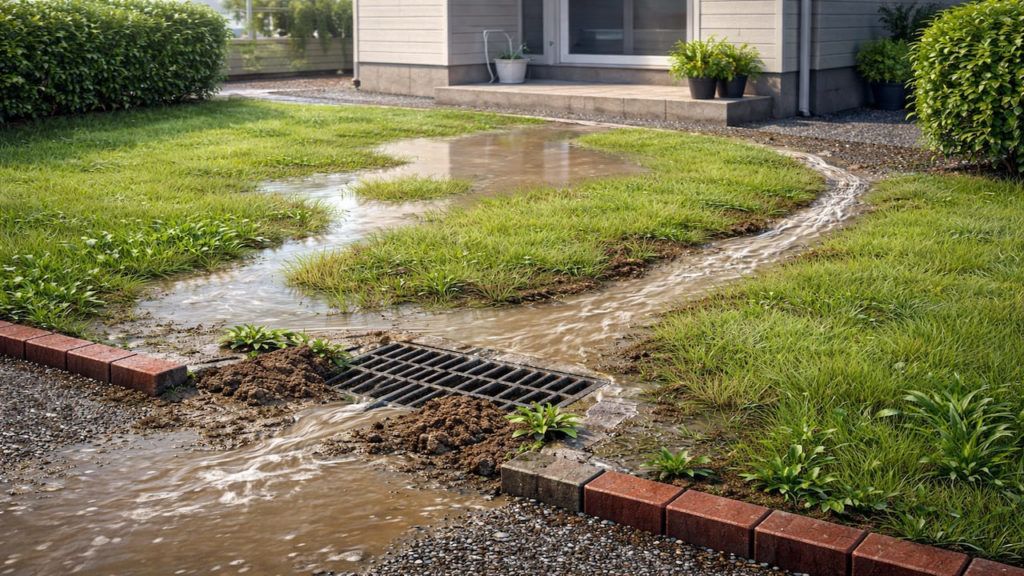
You feel the air shift, and the lawn starts acting different. Growth slows, mornings stay damp, and thin spots suddenly show up.
Fall prep is not a big makeover, it is timing and small fixes that stick. In Japan, tight yards and wet nights can keep blades moist longer, so mistakes linger into the cold weeks.
In this guide, you'll learn how to prep your lawn before cold weeks without overworking it. You will run 5 checks that tell you whether to seed, dethatch, or just change mowing.

Hi, I’m Ken — I’m Japanese, and I live in Malaysia long-term, so I explain everyday life in Japan from a practical ‘from abroad’ perspective.
I hold a building design qualification and I’ve been on site for 20+ years across hundreds of jobs. I turn Japan’s unspoken rules into simple checks, so you can avoid costly mistakes and take the next step with clear actions that feel safe.
1. Fall lawn prep 5 checks before cold weeks
Run your fall checks early so the lawn has time to respond.
Fall is your window to strengthen roots before growth slows—miss it and you spend spring patching. Check the lawn right after a normal mow, because that reveals thin zones and stress fast. In Japan, small yards dry unevenly near walls and fences, so one corner can decline while the rest looks fine. Quick scan, clear plan.
- Walk barefoot and feel soft low pockets
- Look for thin stripes along traffic routes
- Check if grass rebounds after you step
- Notice morning dew that stays past midday
- Spot weeds filling gaps where grass weakened
Some people wait until the lawn looks wrecked, then panic-seed and hope. That is how seed washes, birds feast, and you get patchy results. If you check early, you can pick the lightest fix that works. Do the checks, then act once.
2. Seed thatch and mowing
Choose one priority so you do not stress the lawn twice.
Seeding helps only if soil contact and moisture are steady, and thatch can block both. Mowing height also decides how much sun hits the soil, which changes drying speed—huge in fall when mornings run damp. In Japan, narrow side yards often hold leaf litter at the edge, and that builds a hidden mat. cost is mostly time/effort.
- Pull blades apart and check for brown mat
- Scratch soil and see if seed would touch
- Check mower blade tips for clean cut
- Leave mowing slightly higher for shade protection
- Remove leaves fast before they press down
People try to dethatch hard, seed heavy, and mow low in the same weekend. That stacks stress and the lawn stalls right when you need recovery. Pick one priority based on what you see, then support it. Fall rewards restraint.
3. Why fall lawn prep fails before cold weeks
Prep fails when moisture stays trapped and roots never get stronger.
Cold weeks do not kill lawns, weak roots do. Trapped moisture from thatch and leaves keeps crowns soft, then traffic and mowing beat them up. In Japan, humid nights can keep the surface wet even when the soil below is not flooded, so disease and thinning creep in quietly. Silent slide.
- Check for slippery blades and matted clumps
- Check for shallow roots when turf lifts easily
- Check for puddles that linger after light rain
- Check for shaded corners with mossy film
- Check for bare rings where grass keeps failing
Some folks blame the seed brand or the fertilizer and keep buying fixes. If the crown stays wet and compacted, nothing sticks for long. Drying and airflow are the real gatekeepers. Fix that, then everything else finally works.
4. How to prep your lawn the right way
Do a light reset then let the lawn recover on its own.
Start with leaf cleanup and a mowing rhythm that avoids scalping—clean cuts reduce stress. If you find a thin thatch mat, rake lightly in sections and remove debris immediately. If you find bare soil, scratch it open and overseed only where you can keep it evenly damp. In Japan, the best move is often smaller work done sooner, because weather flips fast. cost is mostly time/effort.
- Mow when grass is dry to reduce tearing
- Sharpen blade if tips look frayed
- Rake thatch lightly and bag the debris
- Scratch soil then seed only thin zones
- Keep foot traffic off repairs for a while
People want a dramatic transformation, but fall prep is more like tightening bolts. If you go too aggressive, you create bare spots right before growth slows. If you stay light, the lawn thickens and holds through the cold weeks. Calm work, better spring.
5. FAQs
Q1. Should I seed everywhere or only bare spots?
Seed only where the soil can hold it and where you can keep moisture steady. If most areas are dense, spot seeding works better—and it wastes less effort.
Q2. Is dethatching always necessary in fall?
No, only if you see a matted brown layer blocking soil contact. If the lawn is thin from shade or compaction, focus on drying and traffic control first.
Q3. What mowing change helps most before cold weeks?
Stop scalping and keep cuts clean. A slightly higher cut protects crowns and reduces stress when growth slows and mornings stay damp.
Q4. What if the lawn stays wet every morning?
Improve airflow by removing leaf mats and avoiding night watering. If one corner stays wet, check runoff routing and compaction there.
Q5. What is the biggest mistake people make in fall?
Doing too many harsh tasks at once. Pick the one change your lawn needs most, then let it respond before you add more work.
Pro's Tough Talk

I’ve spent 20+ years working around Japanese homes, so I’ve seen what tends to work—and what tends to go wrong—in everyday use. In Japan’s rainy-season hangover humidity, lawns stay damp longer than your patience.
Fall prep fails for the same reasons every time. You pile on tasks like stacking bricks on a weak shelf, then act shocked when it snaps. You trap moisture like stuffing a sponge into a sealed jar, then wonder why the crown turns soft and sad. You know that after-work mow when it is already getting dim, right?
Clear leaves now. Mow only when dry today. Rake lightly this weekend.
If thin spots do not improve after your light reset then focus on compaction and runoff before you keep throwing seed at it. If the lawn feels like a wet towel under your sandals, drying and airflow come first.
Bro, stop trying to speedrun nature.
Summary
Fall prep works when you run the right checks before cold weeks slow everything down. Focus on moisture, thatch, and mowing quality before you rush into seeding.
If mornings stay wet and edges stay thin, treat drying and traffic as the real problem. If the soil can hold seed and stay evenly damp, spot seeding can lock in density.
Do the checks today and pick one priority then keep the work light and consistent. That single choice sets up a cleaner spring and a lawn that holds together.