You walk out and see tiny holes scattered across your lawn. It looks like someone poked it with a pencil.
You start guessing: insects, birds, maybe something digging at night. In Japan, humid summers and the rainy season can keep soil soft, so small damage shows up fast and spreads wide.
In this guide, you’ll learn how to judge the holes without panic. You’ll check timing, hole shape, and turf strength so you can fix the real cause instead of chasing random culprits.

Hi, I’m Ken — I’m Japanese, and I live in Malaysia long-term, so I explain everyday life in Japan from a practical ‘from abroad’ perspective.
I hold a building design qualification and I’ve been on site for 20+ years across hundreds of jobs. I turn Japan’s unspoken rules into simple checks, so you can avoid costly mistakes and take the next step with clear actions that feel safe.
1. Lawn has tiny holes 5 checks for insects or birds
Start by reading the holes like footprints.
Hole size, edge crispness, and where they cluster tells you who showed up. Japan’s humid summer makes turf stay springy—so hole edges can look fresh longer than you expect. Pattern first. Then blame. Quick verdict.
- Measure hole width with a coin
- Check for loose plugs beside holes
- Scan for peck marks and tiny tears
- Look for runways along lawn edges
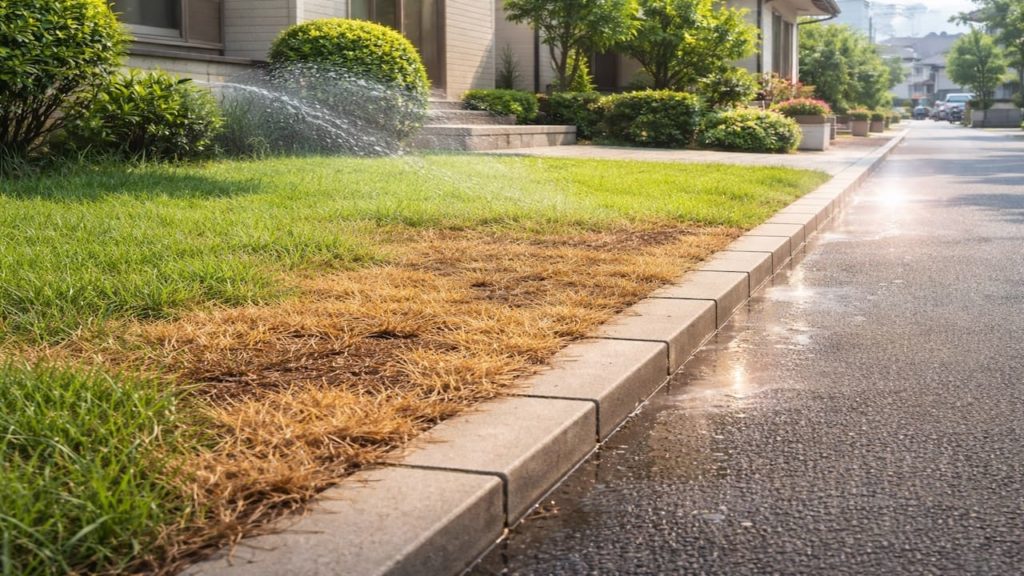
- Note if holes follow sprinkler coverage
You might think “any hole means grubs” and go nuclear. Not always; aeration, heavy rain splash, or old thatch can mimic damage. If the turf is still rooted and firm, you’re not in emergency mode. Stay calm and keep checking.
2. Dawn feeding and soil
Dawn is when the story is still fresh.
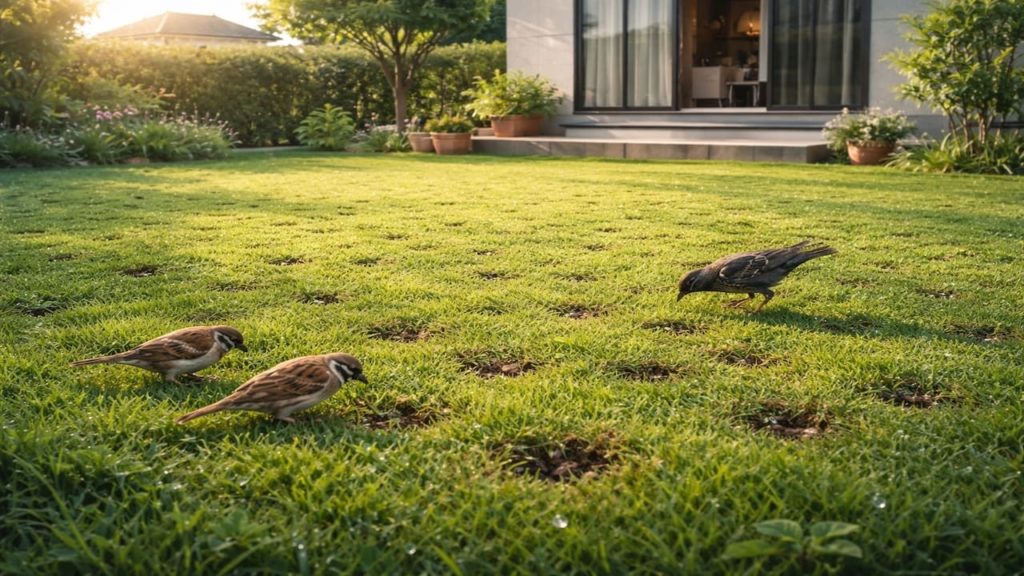
Birds work early, and many night feeders finish before you wake up. At dawn, dew and light make peck marks pop—later in the day they blur into the soil. In Japanese homes, small yards often sit between walls and fences, so shade keeps the surface damp longer. Timing is evidence.
- Step outside at first light quietly
- Watch for birds hopping and probing
- Check for tracks in soft damp soil
- Lift one sod flap to inspect roots
- Do a quick soap water flush test
“But I can’t do dawn checks” is fair. Do a simple reset: smooth one small patch at night, then look at it in the morning. If new holes appear in that patch, you’ve got a nightly visitor. Clear proof.
3. Why tiny lawn holes show up overnight
Most tiny holes start with food under the turf.
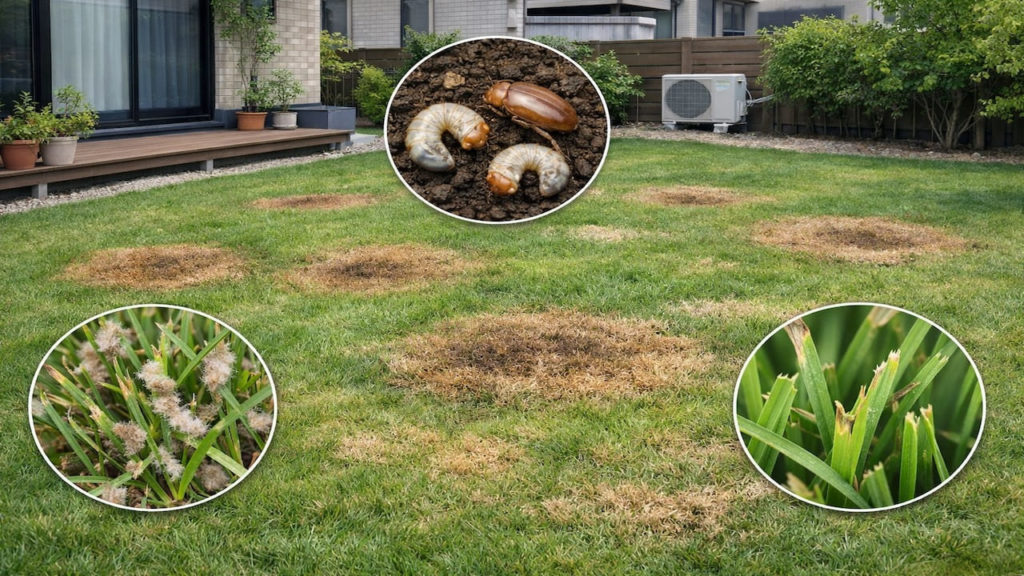
When larvae, worms, or beetles sit near the surface, the lawn turns into a buffet line. Most of the time it’s a food chain problem—bugs below, birds above. In Japan, warm nights plus wet soil after rain can keep insects active close to the surface. Birds and other wildlife foraging in lawns can signal heavy grub activity. According to Purdue University.
- Peel back turf and look for white grubs
- Tug grass to see if roots release
- Check for worm casts like tiny pellets
- Inspect edges for burrow style entrances
- Note brown patches near active holes
“You don’t see grubs, so it can’t be insects” is a trap. Small larvae can hide deep, and birds will still probe where the soil is easy. If grass pulls up like a loose mat, that’s the bigger clue than the hole itself. Simple test.
4. How to stop the holes and keep grass intact
Fix the food source then patch the surface.
Start small and targeted: treat the hotspot, not the whole yard. Fix the food, then fix the surface—doing it backwards wastes your weekend. In Japan, frequent watering in summer can keep the top layer attractive to pests, so switch to deeper, less frequent watering for a bit. Basic flags, a hand rake, or a small bag of topsoil is usually enough at ¥100–500 for basic supplies. Night digging by skunks and raccoons is often linked to searching for grubs. According to Clemson HGIC.
- Mark fresh holes so you track growth
- Press lifted turf back and water lightly
- Topdress thin spots with screened soil
- Cover hotspots with mesh for two mornings
- Overseed bare areas and keep moist
Some people jump straight to strong chemicals or spike traps. That’s overkill for tiny holes, and it can backfire if the real issue is watering or soil structure. If holes spread fast across multiple zones, bring in a pro or re-check the turf for grubs. No hero moves.
5. FAQs
Q1. Are tiny holes always caused by insects?
No. Birds can make pin holes while probing, and heavy rain can punch small pits in soft spots. Your best clue is whether the turf feels weak and lifts easily.
Q2. What hole size suggests birds rather than digging animals?
Bird holes are often pin-sized to pea-sized and scattered, not big scoops. Look for worm casts—those are worm droppings, and birds love that area.
Q3. Should I treat for grubs right away?
Only if the grass roots feel loose or you actually find larvae under a lifted flap. If it’s firm, focus on tracking the pattern first and you’ll avoid wasting money.
Q4. Can my dog or cat make tiny holes?
Paws can scratch shallow pits, but you’ll usually see a bigger scuffed patch, not clean pin holes. If it’s always near one corner, watch behavior and check for buried toys.
Q5. Does Japan’s rainy season make this worse?
Yes, wet soil stays soft and easy to probe, so small holes show up faster. After a few dry days, re-check to see if the activity drops on its own.
Pro's Tough Talk

I’ve spent 20+ years working around Japanese homes, so I’ve seen what tends to work—and what tends to go wrong—in everyday use. You see tiny holes and your brain screams “invasion,” then you stare at the lawn like it owes you rent.
Here’s the cold mechanic: soft soil invites probing, probing reveals snacks, snacks bring more probing. Your lawn becomes a buffet table, and the guests don’t pay. One morning you’re holding coffee, watching birds hop like tiny detectives; another day you’re mowing and the wheel hits a rut you didn’t see.
Check the holes at first light. Lift one small flap and look for larvae. Smooth the spot and mark it for tomorrow.
Win by proving the culprit before you treat. If the same zone gets new holes for 3 mornings straight, change the watering and protect the hotspot; if the turf pulls up like a carpet, stop guessing and address grubs.
Seriously. If you ignore it, don’t act shocked when your lawn starts cosplaying Swiss cheese.
Summary
Tiny lawn holes are a clue, not a disaster. Read the size, pattern, and timing before you decide what’s causing them.
Do a dawn check, lift one small flap, and see if the turf is loose. If new holes keep appearing in one zone for days, focus on the food source and repair that spot.
Track one patch for 2 mornings and act. Once you know if it’s probing or digging, you can patch the surface and stop the cycle without turning the whole yard into a science project.