Your aircon works, but the bill feels like it doubled overnight. You want comfort, not a monthly surprise.
High humidity, thin walls, and long cooling hours can quietly raise costs in Japan. The good news is most waste comes from a few fixable habits.
In this guide, you’ll learn how to cut aircon costs without feeling sweaty. You will check the biggest power drains, then lock in settings that still feel good.

Hi, I’m Ken — I’m Japanese, and I live in Malaysia long-term, so I explain everyday life in Japan from a practical ‘from abroad’ perspective.
I hold a building design qualification and I’ve been on site for 20+ years across hundreds of jobs. I turn Japan’s unspoken rules into simple checks, so you can avoid costly mistakes and take the next step with clear actions that feel safe.
1. Aircon costs too much: 5 checks
Most high bills come from settings and airflow not the unit.
Before you blame the aircon, check the simple things that make it run longer in Japan’s humid summer—run time is the real cost driver. A dirty filter, blocked outdoor unit, or a “turbo then off” habit can spike kWh fast. Bill shock. Start with what changes runtime first, then fine-tune comfort.
Japan’s Cool Biz messaging also pushed higher setpoints as a mainstream savings move. According to env.go.jp.
- Check set temperature and raise it 1°C
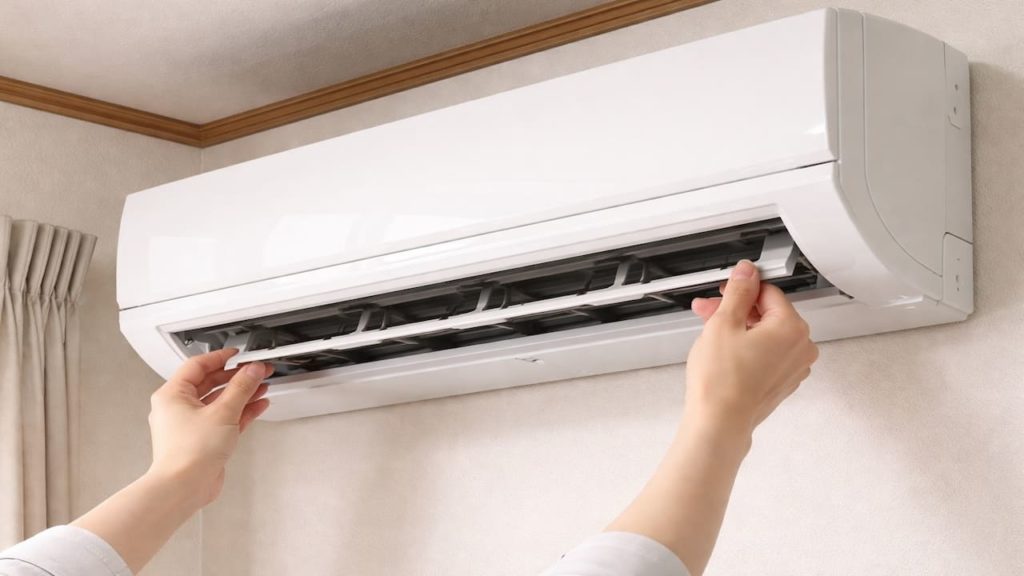
- Clean the filter and dry it fully
- Confirm fan speed is not always max
- Inspect outdoor unit for leaves and clutter
- Stop frequent on off cycling during peaks
You might think “my aircon is old, so it’s hopeless.” Age matters, but bad airflow and aggressive settings can waste money even on a new unit. Do these checks first, because they cost nothing and work in tight Japan apartments.
2. Cut bills without sacrificing comfort
Comfort stays when you cool the room evenly.
People chase a cold blast, but the room warms right back up, so the compressor keeps restarting—those starts add up. In Japan, small rooms heat from sun on one wall and a hot corridor outside the door. Uneven heat. Use circulation and shading so the thermostat reaches the target sooner and rests longer.
Raising the setpoint a little and using a fan is a common suggestion in summer power-saving tips. According to softbank.jp.
- Use a small fan to mix air
- Close curtains on sunlit windows at noon
- Keep doors shut to stabilize indoor pressure
- Place furniture away from the air outlet
- Ventilate briefly in morning to reset heat
Some people worry a higher setpoint means sweaty sleep. Not if airflow is gentle and humidity is lower. If the room feels sticky, use dehumidify mode for a while, then return to cooling for steady comfort in Japan’s rainy season.
3. Why your aircon bill spikes in small Japan rooms
Runtime spikes when heat keeps entering the room.
Cause 1 is solar gain through glass, which turns a bright room into an oven by late afternoon. Cause 2 is air leaks around sliding doors and old window frames—cool air escapes while hot air sneaks in. Cause 3 is moisture load, because humid air takes more energy to make “comfortable.” Heat leak.
- Check window gaps using tissue near edges
- Touch walls for hot spots after sunset
- Measure humidity and compare cool and dry
- Watch compressor cycling with your ears quietly
- Note which hours feel hardest to cool
You may assume the “electricity price” is the whole story. Price matters, but the room’s heat gain decides how long the compressor must run. Fix the heat entry points, and your aircon can finally take breaks in Japan’s long summer.
4. How to cut aircon costs with smarter daily habits
Lower costs by reducing restarts and heat gain.
Pick one stable setpoint, then support it with shading, airflow, and short ventilation windows—this cuts wasted cycling. Less cycling. The cost is mostly time/effort, and in Japan rentals you can keep everything reversible. If you are home, steady cooling is often cheaper than repeated stop-start bursts.
- Set a steady temperature and avoid extremes
- Run fan mode after cooling to balance air
- Seal drafts with removable tape and foam
- Use dehumidify before sleep when air feels heavy
- Clean filters monthly during peak summer weeks
You might feel guilty running the aircon “too long.” The point is not suffering, it is smarter runtime. When your room stops leaking heat, you can use a higher setpoint and still feel cool. That is real comfort in Japan’s humid nights.
5. FAQs
Q1. Is it cheaper to turn the aircon off when I leave?
If you are gone briefly, turning it off can backfire because the room reheats and needs a big push later. In Japan summer, a slightly higher setpoint while you are out can be steadier.
Q2. Does dehumidify mode really save money?
It can, especially on muggy days when the air feels heavy but not blazing hot. Test it for 30 minutes and see if comfort improves with less cold air.
Q3. What temperature should I set to balance cost and comfort?
Start higher than you think and use airflow. Try raising the setpoint step by step until you are just comfortable, then add a fan to reduce that “stuffy” feeling.
Q4. How often should I clean the filter in summer?
During peak use, once a month is a good baseline, and more often if you have pets or construction dust nearby. A clean filter improves airflow so the unit reaches target faster.
Q5. What is the fastest win if my bill is already high?
Clean the filter, raise the setpoint by 1°C, and block sun on the hottest window—do all three today. Small steps, big runtime change. Quick win.
Pro's Tough Talk

I’ve spent 20+ years working around Japanese homes, so I’ve seen what tends to work—and what tends to go wrong—in everyday use. In humid Japanese summer nights, your aircon bill explodes when you fight the room instead of fixing it.
Cause 1: you set it too low, so it runs like a car stuck in first gear. Cause 2: the room leaks heat like a bucket with pinholes, so cooling never “finishes.” Cause 3: the filter is a lint blanket, and the fan is trying to breathe through it. You drop it to 16°C and still wear a hoodie. You open the fridge for “free cold air” and pretend it helps.
Raise the set temperature one step now. Clean the filter and unblock the outdoor unit today. Seal draft gaps and add a small fan this weekend.
Make the room easier to cool before buying anything. If you did this and it still fails, next is a professional deep clean or an insulation check. That is when spending starts to make sense.
No, 16°C is not a money-saving plan.
Keep pulling the lever, I guess.
Summary
Check your setpoint, filter, and outdoor airflow first. Runtime control.
Then reduce heat entry with curtains, sealing, and gentle air mixing—small rooms change fast. If costs stay high after a week, the unit may need deep cleaning or service.
Raise the setpoint and fix airflow today. Once the room cools evenly, comfort stays and the bill stops creeping up.