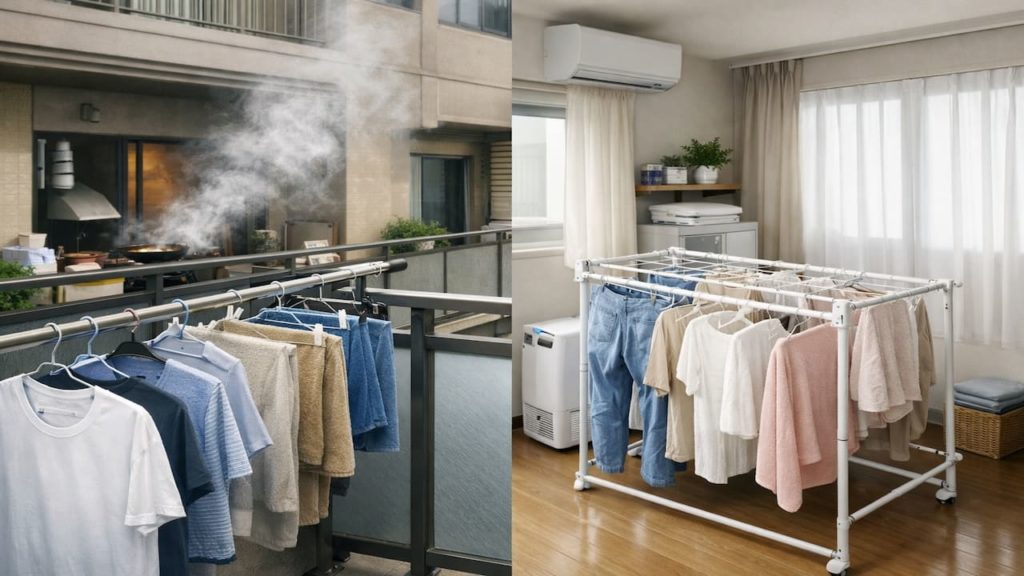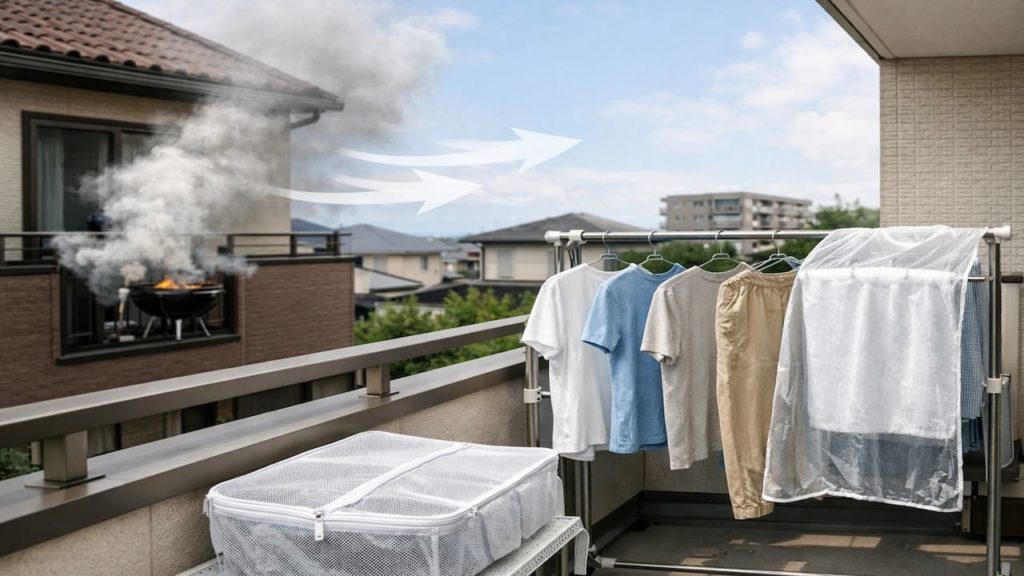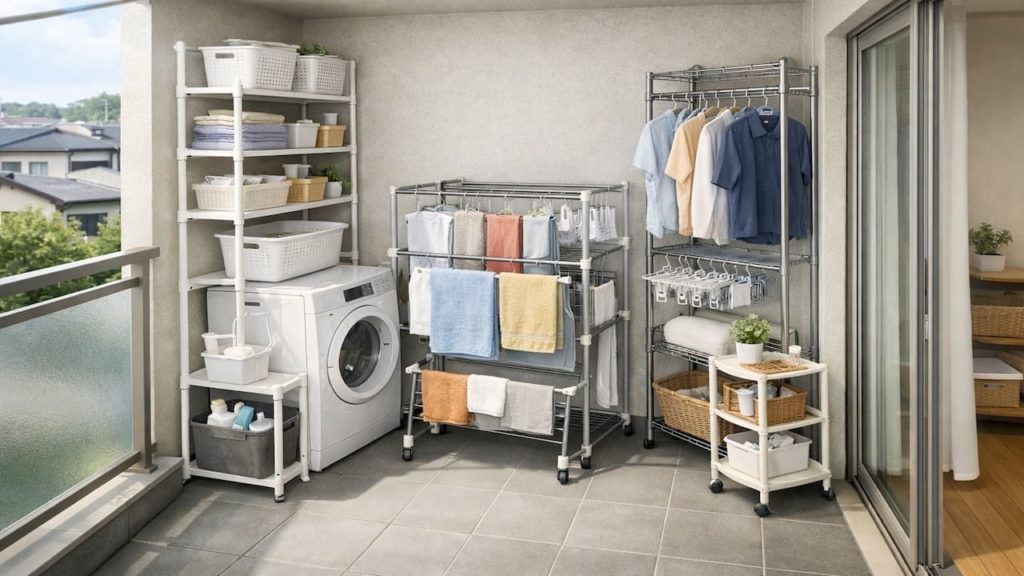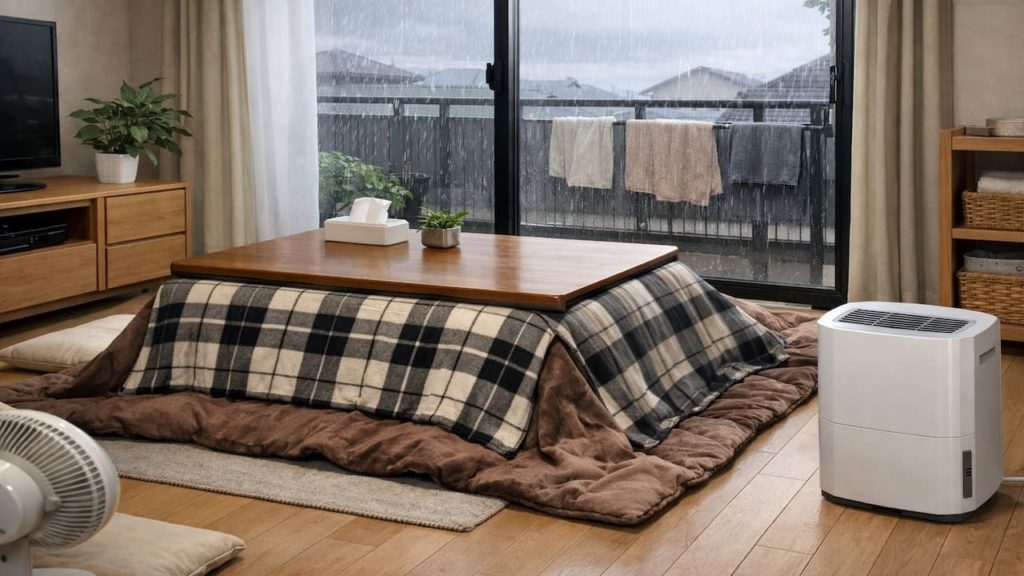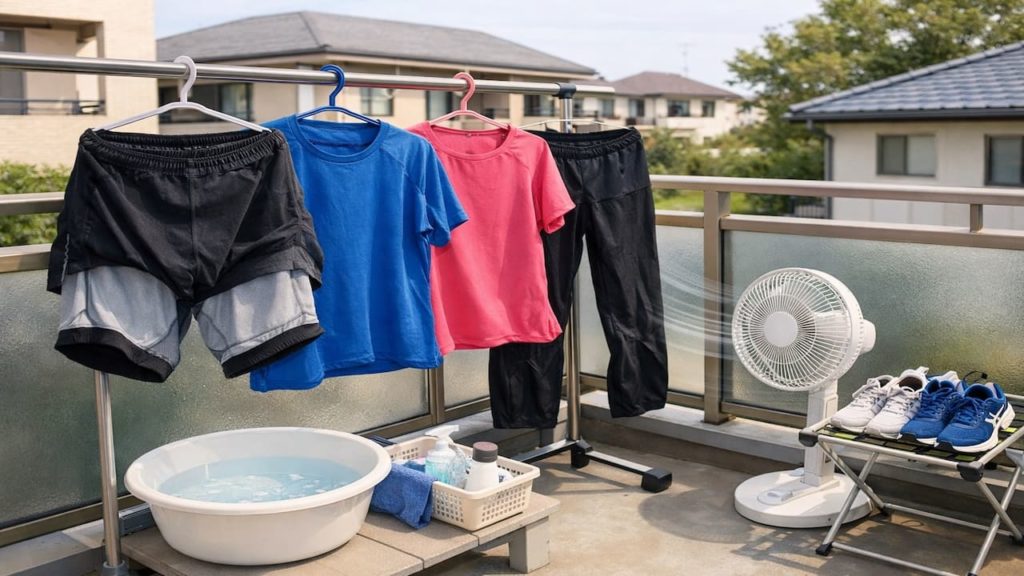
You hang sportswear on the balcony, but it still smells “used” or dries weirdly slow. The fabric is light, yet the odor hangs on like it paid rent.
In Japan, humid days, small balconies, and wind that misses your rack can keep sweat residue trapped in synthetic fibers. If sportswear stays damp too long, it starts smelling again even after washing.
In this guide, you’ll learn 5 tips to dry balcony sportswear better by turning items inside out, improving airflow, and using a quick rinse reset so your shirts dry fast and stop coming back funky.

Hi, I’m Ken — I’m Japanese, and I live in Malaysia long-term, so I explain everyday life in Japan from a practical ‘from abroad’ perspective.
I hold a building design qualification and I’ve been on site for 20+ years across hundreds of jobs. I turn Japan’s unspoken rules into simple checks, so you can avoid costly mistakes and take the next step with clear actions that feel safe.
1. Sportswear on Balcony laundry 5 tips
Sportswear needs airflow more than sunshine.
Synthetic fabric holds less water than cotton, but it traps sweat oils and odor compounds in the fibers. If the inside stays damp, that residue “re-activates” and you get that stale smell. Japan’s rainy season humidity makes it worse because the inside layer dries last. The fix is to dry the inside first and keep air moving.
- Turn items inside out before hanging
- Shake fabric to open the weave
- Leave gaps between each piece
- Hang away from walls to avoid dead air
- Bring in early for indoor finish if needed
“But it’s thin, it should dry fast.” Thin doesn’t mean clean-drying. If the inside stays damp and oily, you’ll smell it anyway. Inside wins.
2. Turn inside out airflow and quick rinse
Dry the sweat side first and reset residue.
The sweat-contact side is the inside, and that’s where odor starts. Turning inside out exposes that side to air and sun first. Airflow matters because sportswear dries from evaporation, and balconies can have dead zones. Quick rinse helps when detergent doesn’t fully remove sweat salts and oils—especially after hard workouts.
- Turn inside out to expose sweat side
- Clip armpit area open for airflow
- Hang collars and waistbands spread wide
- Do a water only quick rinse after workouts
- Spin longer so items start drier
“Quick rinse feels like extra work.” It’s less work than rewashing a whole load because your shirt smells again the next day. Choose your pain.
3. Why sportswear smells after drying
Odor sticks to oils and dries into the fibers.
Sweat itself isn’t the main smell—bacteria feeding on sweat oils creates odor, and synthetics can hold onto those oils. If drying is slow, bacteria keep working and the smell locks in. In Japan, high humidity and warm temps create the perfect “odor workshop” if you leave sportswear damp too long. Fast dry stops the cycle.
- Sweat oils stay in synthetic fibers easily
- Slow drying lets odor compounds build
- Armpits and neck areas dry last often
- Softener residue can trap oils and smell
- Re damp air makes odor return after drying
“So I need stronger detergent.” Not always. Better rinsing, less softener, and faster inside-out drying often beats detergent upgrades.
4. How to keep sportswear fresh on a balcony
Use a rinse reset and a fast finish routine.
Most of the cost is mostly time/effort, not money. The winning routine is quick rinse for sweaty items, minimal detergent, no softener, and inside-out drying with good spacing. If you buy anything, a few strong clips or a small hanger with spread arms is usually ¥200–1,200. Then finish indoors when humidity climbs, so you don’t re-damp in the evening.
- Rinse immediately after heavy sweat sessions
- Wash with minimum detergent dose only
- Skip softener to avoid odor trapping
- Hang inside out with armpits open
- Finish indoors with fan airflow if humid
“I don’t have time to rinse after workouts.” Then at least don’t leave sweaty gear balled up. Hang it to air out first, then wash later. Balled-up sweat is odor fertilizer.
5. FAQs
Q1. Why does sportswear smell again right after drying?
Residual sweat oils and odor compounds remain in the fibers and “wake up” with heat and moisture. Faster drying and better rinsing reduce what’s left behind.
Q2. Should I dry sportswear in direct sun?
Sun can help drying, but airflow matters more. If direct sun is strong and you worry about fading, shade plus good airflow still works.
Q3. Is it okay to use fabric softener on sportswear?
It often makes odor worse because it leaves a coating that traps oils. Try skipping softener for sportswear and see if smell improves.
Q4. What’s the fastest fix for armpit odor in sportswear?
Do a water-only quick rinse after a sweaty session and dry the shirt inside out with the armpits held open. That combination cuts odor return fast.
Q5. When should I finish-dry sportswear indoors?
If humidity is high and items feel cool-damp after hours, bring them in and finish with airflow. Leaving them out longer often increases odor risk.
Pro's Tough Talk

I’ve spent 20+ years working around Japanese homes, so I’ve seen what tends to work—and what tends to go wrong—in everyday use. Sportswear is a liar: it looks dry fast, but the inside and armpits hold the truth. In Japan’s humid days, that truth starts smelling loud.
Three causes show up constantly. One: you dry the outside first and leave the sweat side damp. Two: you crowd items, so armpits never get airflow. Three: you skip rinsing after heavy sweat, so residue becomes the smell engine.
Turn it inside out. Today. Open the armpit area and give it airflow. This weekend, add a quick rinse habit for hard workout gear.
If it still smells after drying, you’ve got residue locked in. Rewash that item with extra rinse and no softener, then dry inside out again. If only one shirt keeps failing, retire it from “hard workout” duty and save yourself the drama.
You know that move where you sniff the shirt and tell yourself “it’s fine,” then you start sweating and it turns into a fog machine. And the classic pile of sweaty gear in a bag “for later.” Congrats, you built a tiny odor farm.
Summary
Sportswear dries best when you target the sweat side first: turn items inside out, keep armpits open, and maximize airflow. Slow drying plus residue is what makes odor come back.
If problems persist, rinse sweaty gear quickly, use minimal detergent, skip softener, and finish-dry indoors when humidity is high. If one item always smells, it likely holds residue and needs a reset wash.
Today, turn sportswear inside out and hang with spacing, then add a quick rinse routine after heavy sweat sessions. Dry the inside first and your sportswear stops coming back like it’s haunted.
Performance and athletic clothing can retain body oils and residues, and proper washing and rinsing practices help reduce odor retention. According to consumerreports.org.
Care guidance for athletic fabrics commonly recommends avoiding fabric softener and ensuring adequate rinsing to reduce odor and residue buildup. According to rei.com.