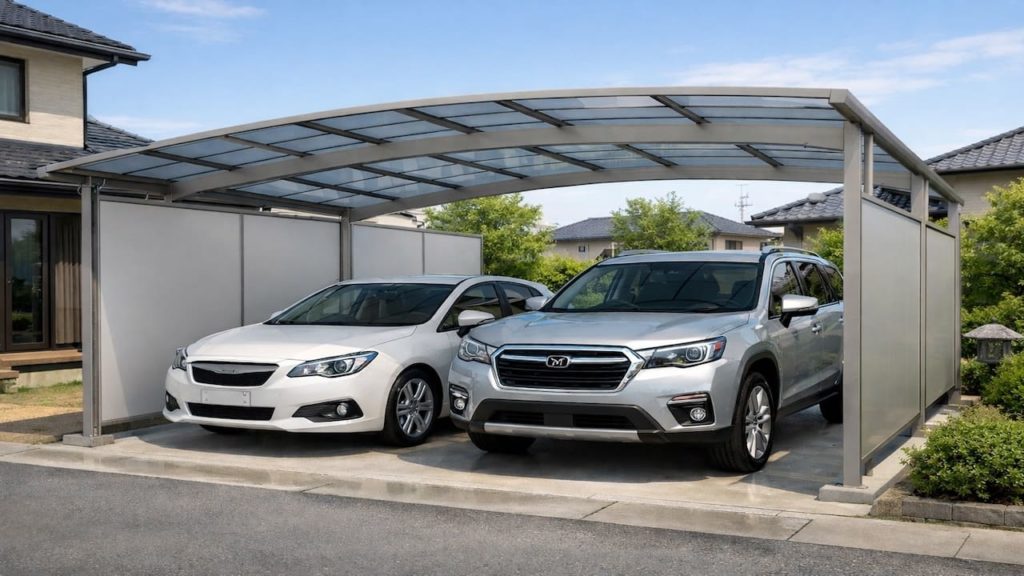
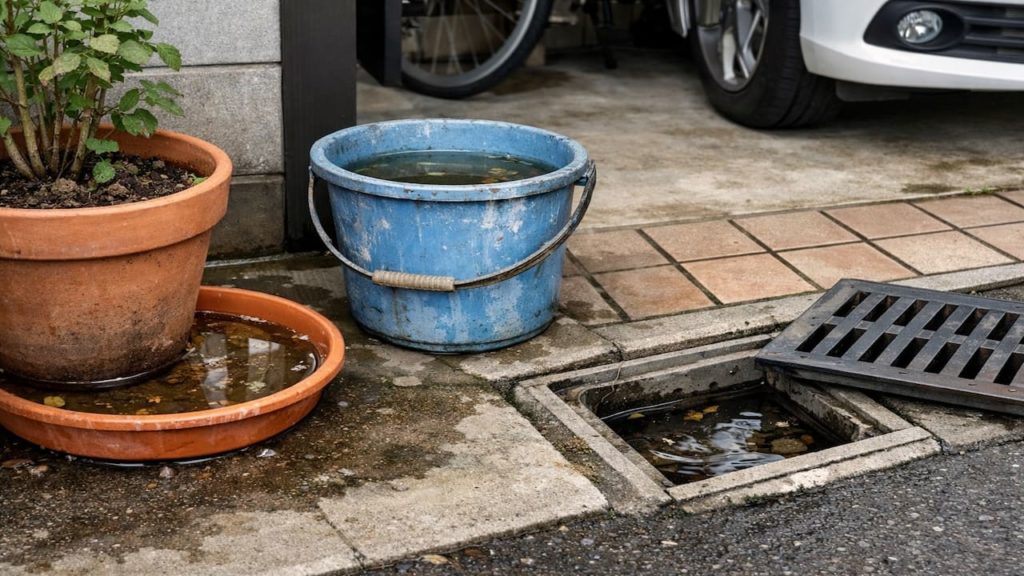
Your carport panels used to look clear, but now they look cloudy and tired. It makes the whole front of the house feel older than it is.
The haze can be dirt film, water minerals, or UV wear, and each one needs a different touch. In Japan, humid summers, pollen season, and rainy splash make cloudy panels show up fast.
In this guide, you’ll learn how to clean cloudy carport panels without scratching them. You’ll wash gently, rinse the right way, and reduce UV damage so the panels stay clearer longer.

Hi, I’m Ken — I’m Japanese, and I live in Malaysia long-term, so I explain everyday life in Japan from a practical ‘from abroad’ perspective.
I hold a building design qualification and I’ve been on site for 20+ years across hundreds of jobs. I turn Japan’s unspoken rules into simple checks, so you can avoid costly mistakes and take the next step with clear actions that feel safe.
1. Carport panels look cloudy: 5 cleaning tips
Cloudy panels usually need gentle steps not force.
Most haze is a thin film that sticks because the surface stays damp or dusty, then bakes in the sun—classic Japan weather. Use soft tools so you do not add micro-scratches that make it look worse. Expect ¥1,000-4,000 for microfiber, a soft sponge, and mild cleaner if you start from zero. Clean on a cool day, because hot panels dry too fast and leave streaks.
- Rinse loose grit first to avoid scratches
- Use mild soap and a soft sponge only
- Wipe in one direction to reduce swirl marks
- Rinse twice so soap film never stays
- Dry edges and seams to prevent water spots
Some people grab a rough brush and “win” the dirt fast. That win becomes permanent haze because scratches scatter light. If you want clearer panels, you need patience, not aggression. Gentle beats strong every time.
2. Soft wash rinse and UV
Soft washing works because it removes film evenly.
Start with water, then soap, then water again, and keep the rinse generous so nothing dries mid-panel. In Japan, pollen and road dust can turn soap into sticky streaks if you rinse too lightly. UV makes older panels show haze more, so preventing new damage matters as much as cleaning. Work in sections, and keep your sponge clean so you are not rubbing grit.
- Wash small sections so soap never dries
- Rinse from top down to chase residue
- Use a clean bucket to avoid dirty water
- Finish with a final slow rinse for clarity
- Add shade timing to reduce UV heat stress
Some folks say “just rinse and you’re done,” and they skip the soap step. That leaves oily film behind, so it looks cloudy again in a week. Others soap it hard and forget the second rinse, leaving a dull layer. The best result is boring: soft wash, long rinse, calm finish.
3. Why carport panels turn cloudy
Cloudiness is usually film or surface wear.
Dirt film comes from dust, pollen, and exhaust particles that stick to moisture, then dry into a thin coat. Water minerals leave spots that scatter light, especially when rain splashes up from the driveway. UV wear slowly roughens the surface, so even clean panels can look hazy in strong summer sun. Tight Japanese lots can trap humidity near walls, so panels stay wet longer and collect more grime.
- Dust sticks harder when panels stay damp
- Pollen smears and leaves yellowish haze patches
- Mineral spots spread after rain splash dries
- UV roughens surface and scatters light badly
- Shade patterns cause uneven wear across panels
Some people assume it is “mold” and start blasting chemicals. Most of the time it is not alive, it is just stuck. If you treat film like mold, you over-clean and damage the surface. Figure out the cause first, then choose the lightest method that works.
4. How to clean cloudy panels without making it worse
Use the least abrasive method that clears film.
First rinse, then mild soap, then test a small corner, then scale up once it looks right. Do not use abrasive pads, and do not scrub in circles like you’re polishing a frying pan. Japan’s rainy season makes streaks look worse, so always dry seams and edges after rinsing. If haze stays after gentle cleaning, it may be surface wear, not dirt, and chasing it with force just adds scratches.
- Test one corner before cleaning the whole roof
- Use microfiber cloth for final wipe pass
- Avoid strong solvents that can cloud plastics
- Dry seams so grime does not re-stick there
- Repeat light cleaning instead of one harsh session
Some folks keep scrubbing until their arms hurt because they want “clear like new.” That is how you create permanent haze. Your goal is cleaner and brighter, not brand-new showroom. If it improves but never becomes perfect, accept the panel age and focus on preventing the next layer of film.
5. FAQs
Q1. Can I use a pressure washer on carport panels?
A pressure washer can force dirt into seams and leave streaks if you blast too close. If you use one, keep distance, use a wide fan, and finish with a gentle rinse.
Q2. What soap should I use for cloudy panels?
Use mild soap that rinses clean, not heavy degreaser. In Japan’s humid months, leftover soap film—plus dust—becomes a new haze fast.
Q3. Why do my panels look cloudy only at some angles?
That usually means surface wear or fine scratches that catch light. Clean first, then judge in soft daylight, not harsh noon sun.
Q4. How do I stop water spots after rain?
Dry the edges and seam lines after cleaning, because spots start there. Also keep the driveway splash zone cleaner so less mineral water jumps up.
Q5. When is it time to stop cleaning and consider replacement?
If gentle cleaning does not change the haze and the surface looks worn evenly, it may be age. At that point, focus on safety and leaks, not chasing perfect clarity.
Pro's Tough Talk

I’ve spent 20+ years working around Japanese homes, so I’ve seen what tends to work—and what tends to go wrong—in everyday use. In Japan’s humid summers, “cloudy” shows up like a bad filter you can’t turn off.
Most people mess this up in three ways: they scrub like they’re sanding wood, they rinse like they’re sprinkling a salad, or they clean at noon and cook soap onto the panel. That’s how you end up with a hazy roof that looks clean and dirty at the same time. Cleaning without a plan is like punching fog.
Rinse the grit off first. Wash with mild soap in small sections. Rinse long and slow.
If haze stays after gentle cleaning it is probably surface wear, so stop trying to beat it into submission. If it keeps streaking after every rain, your next move is fixing runoff and splash, not scrubbing harder.
Bruh.
Summary
Clean cloudy panels with a soft routine: rinse grit, wash gently, rinse again, then dry edges. That prevents scratches and stops soap film from turning into new haze.
If cloudiness keeps coming back, check what is feeding it: dust film, rain splash minerals, or uneven UV wear. If gentle cleaning stops working, treat it as aging, not dirt.
Do one calm soft-wash today and keep the panels from getting worse. Once it looks brighter, keep browsing related carport upkeep tips so the whole entrance stays sharp.