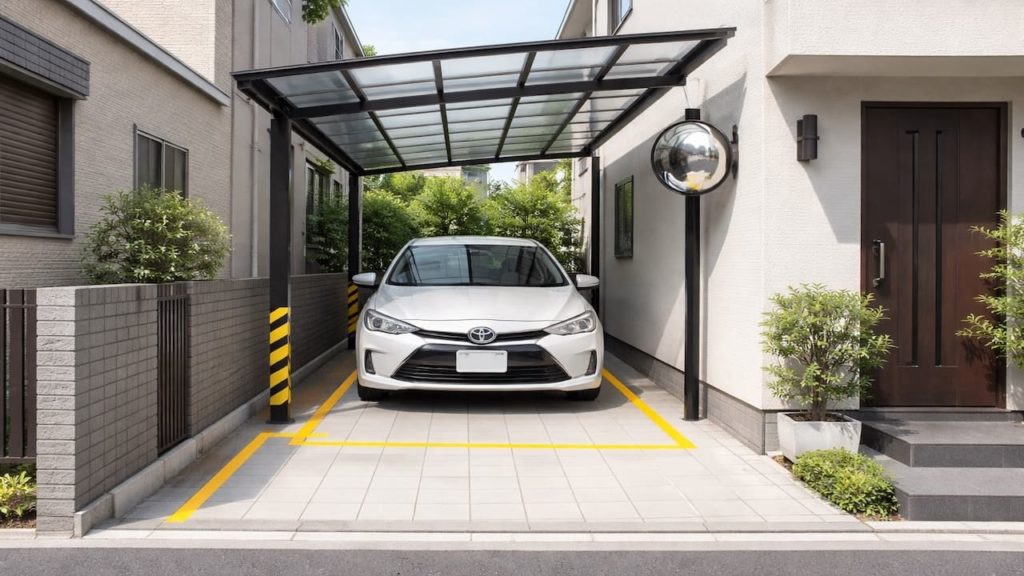
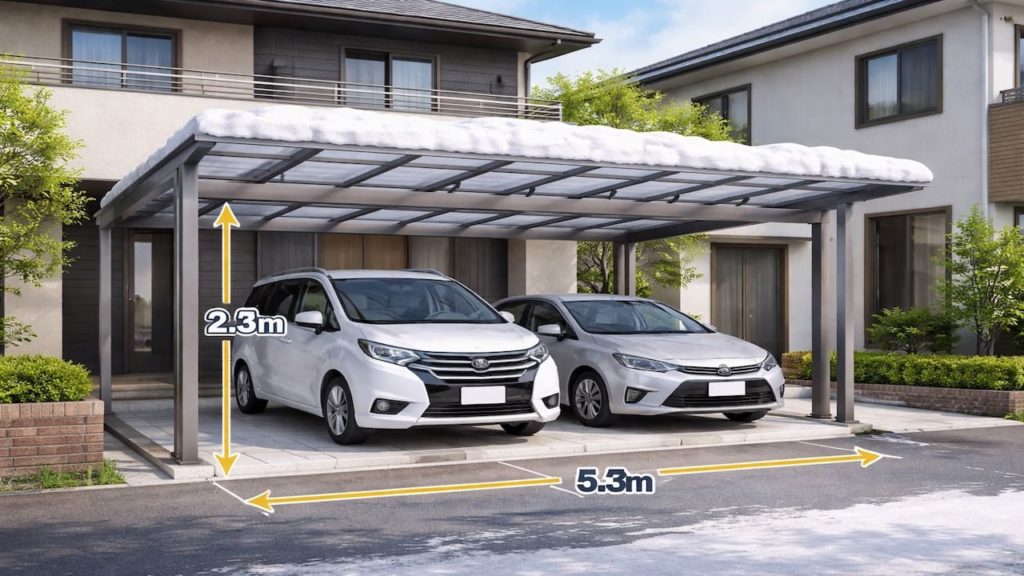
You get two carport quotes and they look “similar” at first glance. Then one is cheaper, and you start wondering what is missing.
Most surprises come from posts, roof material, and base work that is vague in the quote. In Japan, heavy rain seasons and gusty storms punish weak specs fast.
In this guide, you’ll learn how to compare carport quotes like a builder. You’ll check the lines that change strength, noise, and maintenance so you don’t buy a future headache.

Hi, I’m Ken — I’m Japanese, and I live in Malaysia long-term, so I explain everyday life in Japan from a practical ‘from abroad’ perspective.
I hold a building design qualification and I’ve been on site for 20+ years across hundreds of jobs. I turn Japan’s unspoken rules into simple checks, so you can avoid costly mistakes and take the next step with clear actions that feel safe.
1. Carport quote comparison: 5 checks that matter
Compare the spec lines not the total price—cheap quotes hide work inside “standard.”
A quote is only honest when it names what you get and what you do not. If it uses broad words, you can’t compare fairly, even if both claim the same size. In Japan, lots are tight, so base layout and post position are not optional details. The “same carport” can behave totally different.
- Confirm exact model name and series code
- Check roof material and thickness line item
- Verify snow and wind rating is written
- Ask what is excluded in plain words
- Demand drawing showing posts and clearances
You might think a cheaper total means a better deal, but it can mean missing strength or missing base work. A good quote reads like a recipe, not like a vibe. If the spec is unclear, you are gambling with the installer’s “default.” Make it explicit and the comparison becomes easy.
2. Posts roof type and base
Posts and base decide stability more than the roof—the roof only shows the result.
Post count, post size, and beam layout change how the frame resists wind shake. Roof type matters for heat, noise, and durability, but it still needs a stable frame. Base work is the hidden cost: excavation, rebar, concrete size, and soil conditions. Manufacturer catalogs also separate products by snow and wind performance, so your quote should match the right class. According to webcatalog.ykkap.co.jp.
- Count posts and confirm spacing on drawing
- Match roof type to heat and noise needs
- Confirm base depth and concrete volume listed
- Ask if rebar is included and specified
- Check drainage plan around each post base
You might focus on roof panels because you can see them, but posts and base decide whether it wobbles. If base work is “as needed,” you need the definition of needed. If roof type is vague, you can’t predict noise or discoloration. Lock these three items and you cut most quote traps.
3. Why quotes look the same but perform differently
Vague lines hide the highest risk parts—and those parts fail quietly first.
Many quotes list “carport set” and “standard foundation,” then move on. That hides soil handling, anchor details, and hardware quality that decide long-term stability. In Japan, humidity keeps joints damp and encourages corrosion if water sits near bases. Wind vibration then loosens what was barely tight from day one.
- Standard foundation line hides soil and rebar
- Hardware grade changes looseness and rust risk
- Roof material affects noise and heat behavior
- Post layout controls door swing and parking ease
- Drainage omission creates puddles near base plates
You might think “they all install it the same,” but crews have different defaults and shortcuts. If the quote doesn’t force clarity, you won’t know what you bought until after rain and wind test it. A clean quote protects both you and the installer. Clarity is the real discount.
4. How to compare 2 quotes in 10 minutes
Make a one page checklist and score both quotes—you’ll see gaps instantly.
Start by copying the key lines into a simple table: model, roof type, post layout, base details, drainage, and warranty. cost is mostly time/effort because you are organizing information, not buying gear. In Japan, do this before you choose dates, because schedule pressure makes people accept vague work. Your goal is to turn “maybe” into written facts.
- List model roof posts base drainage warranty
- Circle any word like standard or as needed
- Ask for drawings and photos of similar installs
- Confirm who handles permits and utility checks
- Request final scope summary in one paragraph
You might feel annoying asking questions, but you are the one living with it. If a contractor gets defensive, that is useful data. If they answer clearly, the job usually goes smoother too. Compare the answers, not only the totals.
5. FAQs
Q1. What is the single most important line to confirm?
The foundation spec line because it hides the biggest differences in stability and cost. Ask for depth, size, and rebar in writing. If it is vague, everything else is just decoration.
Q2. Should I always pick the thickest roof?
Not always, because roof choice depends on noise, heat, and local wind behavior—thicker is not a magic shield. Ask what roof material is included and why. Then match it to your actual pain points.
Q3. How do I judge post layout quickly?
Look at the drawing and imagine door swing with groceries and a child seat. If a post blocks the natural path, you will hate it daily. Ask for the clearance numbers on the plan.
Q4. Is warranty a good comparison point?
Yes, but only after the scope is clear, because warranty can exclude “improper foundation” or water issues. Confirm what is covered and what voids it. A long warranty on vague work is not comfort.
Q5. What is a red flag phrase in a quote?
Words like “standard,” “as needed,” or “same as existing” without any measurements. Those phrases shift risk onto you later. Replace them with clear specs before you sign.
Pro's Tough Talk

I’ve spent 20+ years working around Japanese homes, so I’ve seen what tends to work—and what tends to go wrong—in everyday use. A quote is a trap when it’s fluffy. In tsuyu season, fluffy turns into soggy regret.
Here’s the cold split into three. Posts: layout and stiffness decide wobble. Roof: material decides heat and noise, but only after the frame behaves. Base: soil and concrete decide whether the whole thing stays put. Buying by total price is like buying a parachute by color, and trusting “standard” is like taping a cracked mug and calling it new.
Copy the key spec lines now. Ask for the drawing today. Demand the base details this weekend.
If they won’t write it down walk away because that means you’re funding their guesswork. If they do write it down, you can compare like-for-like and pick with confidence. That’s the line.
Yeah right.
You’re backing in at night, rain on the windshield, and you realize the post is exactly where your door needs to open. Then you shuffle sideways with a box and smack your elbow. Another day, another “why did I do this” moment.
Summary
Carport quotes only compare well when they list real specs for posts, roof type, and base work. Vague words hide the parts that create wobble, puddles, and future repairs.
If a quote lacks drawings, foundation details, or clear exclusions, you are not comparing, you are guessing. Push for written clarity before schedule pressure locks you in.
Today copy both quotes into one checklist and replace every “standard” line with real measurements. Then keep exploring related carport drainage and wind checks so your final choice stays calm in every season.