You stained your deck, stepped back, and saw blotches like a bad camouflage pattern. The boards look older, but the stain looks newer.
The cause can be grain wear, leftover finish, sun-baked spots, or uneven sanding. In Japan, humidity swings and rainy weeks make old boards absorb stain in weird patches.
In this guide, you’ll learn 5 fixes to even out deck stain blotches without panic-stripping the whole surface. You’ll also learn a fast test to decide if sanding or wiping is the smarter move.

Hi, I’m Ken — I’m Japanese, and I live in Malaysia long-term, so I explain everyday life in Japan from a practical ‘from abroad’ perspective.
I hold a building design qualification and I’ve been on site for 20+ years across hundreds of jobs. I turn Japan’s unspoken rules into simple checks, so you can avoid costly mistakes and take the next step with clear actions that feel safe.
1. Deck stain blotches: 5 fixes for even color on old boards
Fix blotches by controlling absorption not by adding more stain.
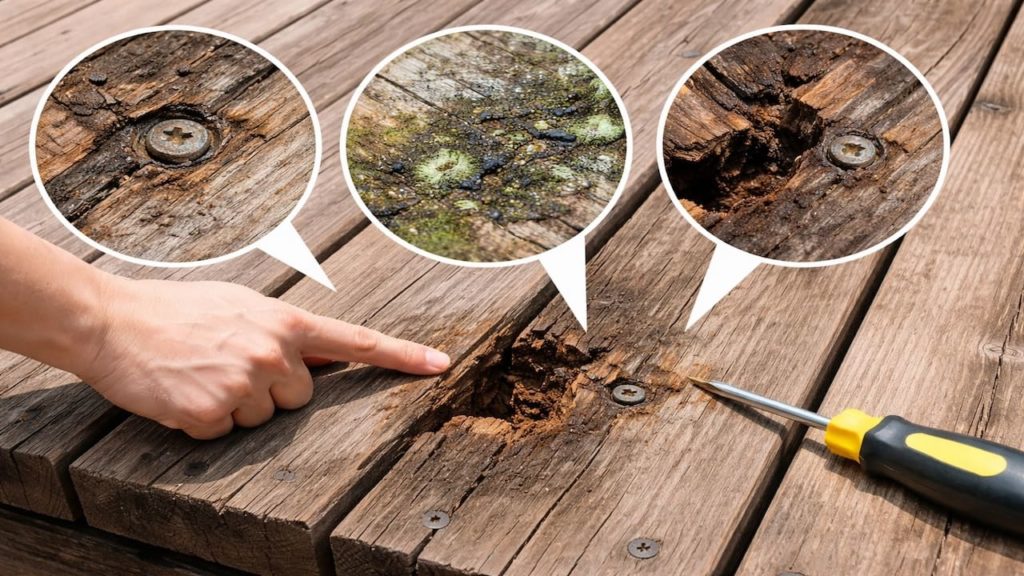
Old boards soak stain like a sponge in some areas and reject it in others, especially where feet, sun, and old sealers did years of damage. A typical Japanese deck sits exposed to rain and sharp seasonal shifts, so moisture content changes week to week. That makes “same stain, same day” still look different board to board.
- Identify shiny sealed spots that reject stain
- Check end grain darkening near board edges
- Spot sand only where color jumps harshly
- Use a wipe method to blend transitions
- Recoat light not heavy for consistency
You might think another full coat will hide everything. Sometimes it just amplifies the unevenness—dark gets darker, light stays weird. Slow down, test small, then commit once you know what the wood is doing.
2. Sand wipe test
A quick sand and wipe tells you what the board will accept.
Pick a blotchy area, sand a hand-sized patch lightly, then wipe with a damp cloth to preview how even the grain looks. If the wipe shows the blotch still obvious, the issue is deeper than dust and needs more leveling. Basic supplies usually sit around ¥800–2,500 if you need sandpaper, a sanding block, and clean rags, and that’s cheaper than redoing the whole deck.
- Choose a hidden spot near a corner
- Sand with grain using light pressure only
- Vacuum dust then wipe with clean water
- Let it flash dry for a minute
- Compare sheen and tone under daylight
If you skip the test, you’re basically gambling with your weekend. The test is fast, and it saves you from sanding a whole deck for no reason. Tiny work, big clarity—especially on old boards.
3. Why blotches happen on old deck boards
Blotches are usually a mix of worn grain and leftover finish.
Foot traffic polishes certain lanes and compresses grain, so those areas absorb less stain and look lighter. Old sealer can remain in pockets and create shiny “no-stain zones” you don’t notice until color goes on. In Japan, summer sun plus humid nights can weather boards unevenly, so one board can behave like three different materials.
- Sun baked fibers absorb stain faster
- Smooth traffic lanes reject stain and tint
- Old finish hides in pores and cracks
- Uneven sanding leaves swirl marks visible
- Different boards age differently in shade
It’s easy to blame the stain brand. Sometimes the product is fine and the surface prep is the real villain. Not a moral failure. Just physics and time.
4. How to even the color without stripping everything
Blend blotches by spot leveling then wiping the stain edges.
Start with spot sanding on the worst high-contrast zones, not the whole deck, and keep your pressure consistent. Then apply stain lightly and wipe the edges to soften transitions before it sets, so you don’t leave hard “patch borders.” Japanese homes often have tight outdoor space, so controlling drips and keeping work zones small makes cleanup easier and keeps the finish looking intentional.
- Feather sand blotch edges into surrounding grain
- Remove dust fully before any stain work
- Apply stain thin then wipe excess quickly
- Use a second rag to blend borders
- Let boards dry fully before judging color
You might want to chase perfection and keep sanding until everything is bare. That can open new color problems and make boards look patchy in a different way. Aim for “even from standing height,” then stop. Clean result.
5. FAQs
Q1. Should I sand the whole deck to fix blotches?
No, not first. Do a spot sand and wipe test to see if the issue is local or everywhere, and save your time if it’s only a few zones.
Q2. Why do some spots look shiny after staining?
Those areas often still have old finish or compressed grain, so stain sits on top instead of soaking in. A light feather sanding usually breaks that surface.
Q3. Can I fix blotches by adding a darker coat?
Sometimes, but it can turn the dark spots into near-black patches. Try thinning your application and wiping edges—one calm pass beats two heavy coats.
Q4. Does weather matter when staining in Japan?
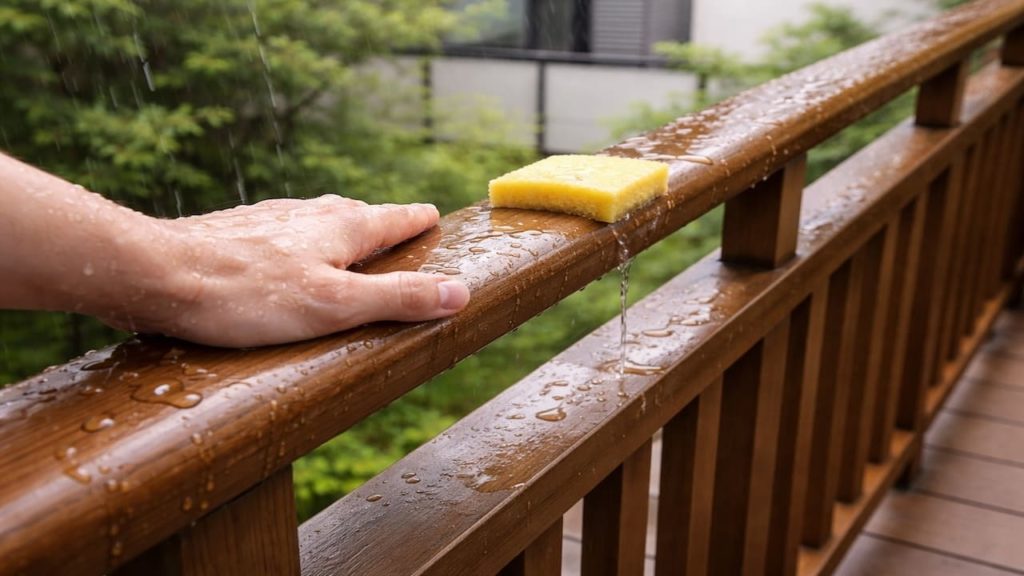
Yes, humidity and sudden rain can slow drying and change absorption, especially on older boards. Work on a dry stretch and let boards air out first.
Q5. What grit should I use for spot sanding?
Use a medium grit that removes roughness without shredding fibers, then finish with a finer pass if needed. One more rule—keep sanding with the grain, always.
Pro's Tough Talk

I’ve spent 20+ years working around Japanese homes, so I’ve seen what tends to work—and what tends to go wrong—in everyday use. Blotches aren’t “character,” they’re the wood yelling at your prep job. This stuff turns from “easy weekend” to “why am I still outside” real quick.
Here’s the brutal breakdown: old boards have uneven pores, leftover finish blocks stain, and your sanding pressure creates invisible zones. You didn’t ruin it, you just revealed the history that was hiding. Pros mess this up too when they rush and skip testing. Surface truth.
Do the sand-and-wipe test now. Feather sand only the high-contrast spots today. Stain thin and wipe edges on the weekend.
Make it even from standing height and stop chasing microscopic perfection. If blotches still scream after one controlled recoat, then yeah, it’s time to strip or replace boards. That’s the line.
Stain blotches are like bad makeup in harsh lighting, they show every shortcut. C’mon, really? You know that moment when you walk out barefoot, see the patchy board, and instantly regret having eyes. Or when the neighbor glances over and you suddenly become a “deck artist” against your will.
Summary
Blotches usually come from uneven absorption, old finish leftovers, and inconsistent sanding. Fix them by testing first and leveling only where the contrast is harsh.
Use spot sanding and a wipe-blend approach instead of dumping on extra stain. If one careful cycle still looks bad, consider stripping or board replacement.
Run the sand wipe test today and you’ll know the right path fast. Then keep the next steps small and controlled so the deck looks clean and intentional.