You wake up to snow sitting on your deck like it owns the place. You want it gone, but you do not want to gouge boards or wreck rails.
In Japan, snow can melt, refreeze, and soak the same joints again and again. That cycle adds weight, makes surfaces slippery, and stresses fasteners.
In this guide, you’ll learn how to manage deck snow without damage. You will check load risk, pick safe tools, and clear meltwater so winter does not eat your deck.

Hi, I’m Ken — I’m Japanese, and I live in Malaysia long-term, so I explain everyday life in Japan from a practical ‘from abroad’ perspective.
I hold a building design qualification and I’ve been on site for 20+ years across hundreds of jobs. I turn Japan’s unspoken rules into simple checks, so you can avoid costly mistakes and take the next step with clear actions that feel safe.
1. Deck winter snow load: 5 checks to avoid damage
Snow load damage starts when water stays and joints stay wet.
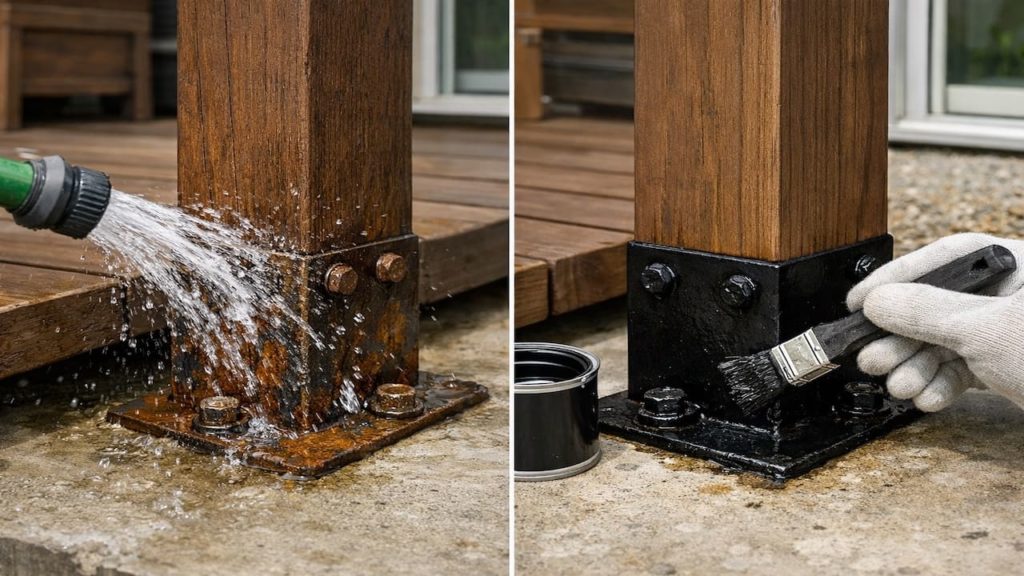
Most decks do not fail from one snowfall, they fail from repeated wetting and movement. In Japan, daytime melt and night freeze makes boards swell, then shrink, and fasteners loosen. Slow leaks, slippery film, and hidden damp under boards—classic winter pattern.
- Check if snow sits in one corner for days
- Check if rails wobble more after freeze cycles
- Check if boards cup and trap meltwater puddles
- Check if posts stay wet where snow drifts
- Check underside for damp stains and dark spots
You might think the deck is fine because it looks solid from above. Winter damage is quiet and boring until spring shows stains and soft spots. Do the checks early and you avoid the rebuild later.
2. Shovel tools melt
Use tools that clear snow without scraping the surface.
Start with the lightest tool that works, because scraping is how you create scratches that hold water. Fresh powder can be pushed with a broom, then you finish with a soft shovel edge. A basic plastic snow shovel sold at Japanese home centers is often around ¥980–2,500. According to komeri.com.
- Use a broom first for light snow removal
- Use a plastic shovel with a safe edge
- Push snow along board direction not across
- Leave a thin layer if ice is bonded
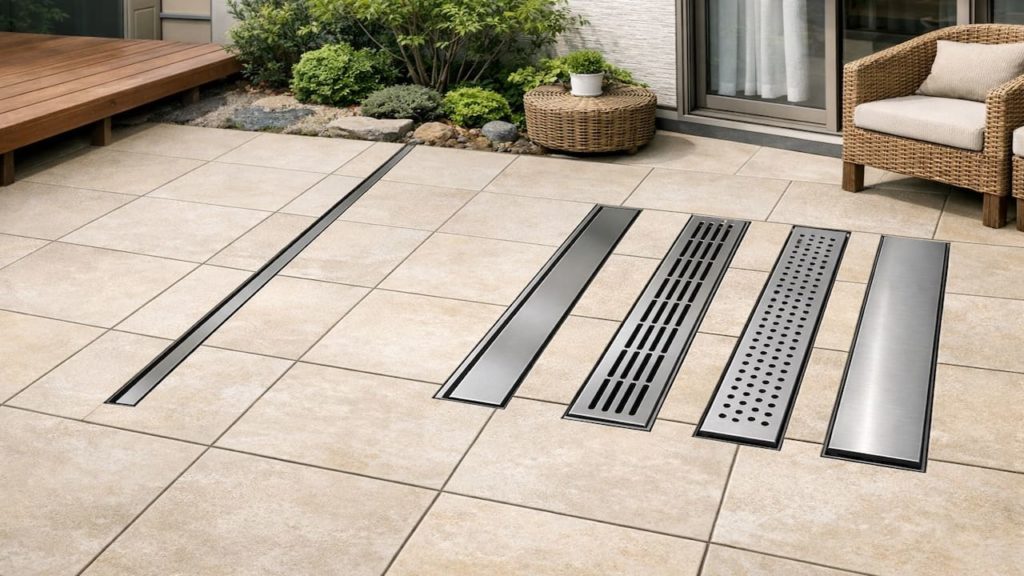
- Clear melt paths so water can run off
You might grab a metal shovel because it feels faster — that is how boards get gouged and rails get chipped. Use the right tool and the job stays simple. Less force, less damage.
3. Why snow load and freeze thaw damages decks
Freeze thaw forces joints open then locks water inside.
When meltwater enters seams, it expands as it freezes and pushes tiny gaps wider. That makes the next melt go deeper, and the cycle grows. In Japan, shaded yards and tight housing lines slow drying, so the deck stays damp even on clear days. Hidden stress.
- Water enters seams then expands during freezing
- Boards swell and shrink making fasteners loosen
- Ice bonds to rough spots and rips fibers out
- Snow drifts add uneven weight near rails
- Blocked drainage makes puddles refreeze repeatedly
You might think sanding later will fix scratches, but scratches become moisture traps first. The real fix is controlling water and reducing repeated freeze cycles at seams. Keep it dry fast.
4. How to clear snow safely and reduce deck stress
Clear early in layers and protect seams from standing water.
Do not wait for a huge pile, because heavy removal forces you to pry and scrape. Clear in thin passes, push toward an exit edge, and keep rails and steps free so you do not slip. Metal shovels can scratch wood decking, so use plastic tools for snow removal. According to woodspec.jp.
- Clear snow early before it compacts and freezes
- Push in layers instead of one deep scrape
- Open a runoff lane so meltwater escapes
- Knock snow off rails to reduce uneven loading
- Dry the surface with a quick sweep after melt
You might want to dump hot water to melt ice fast. That can refreeze into a worse slick layer and soak seams deeper. Clear mechanically, then let sun and airflow finish the job.
5. FAQs
Q1. Should I remove all snow down to bare boards?
No, if ice is bonded, leave a thin layer and sweep later when it loosens. Forcing a hard scrape can damage boards and create water traps.
Q2. Is it safe to use deicer salt on a deck?
Be careful, because some products can stain wood and accelerate hardware corrosion. If you use anything, spot test first and rinse once conditions allow.
Q3. What if snow keeps drifting onto one corner?
That is a layout and wind issue—use a temporary windbreak that still lets air pass. Also clear that corner earlier than the rest so weight never stacks up.
Q4. How do I avoid slipping while clearing snow?
Start with rails and steps, then work the flat surface. Keep your feet on cleared zones and do not twist while pushing heavy snow.
Q5. When do I stop DIY and call for help?
If the deck feels bouncy, rails feel loose, or boards look lifted after freezing, stop and inspect structure. If you cannot access the underside safely, get a pro to check it.
Pro's Tough Talk

I’ve spent 20+ years working around Japanese homes, so I’ve seen what tends to work—and what tends to go wrong—in everyday use. Winter deck damage is not dramatic, it is slow and annoying.
Here’s the cold breakdown: water sneaks into seams, freeze expands it, and the joint opens more each cycle. Then you scrape with the wrong tool, scratch the surface, and give water a new home. It’s like feeding a gremlin after midnight.
Right now, clear rails and steps first. Today, push snow off in thin layers and keep a runoff lane open. This weekend, check fasteners and tighten anything that started to wiggle.
If the deck feels soft or bouncy you stop and inspect because clearing snow will not fix structure. If it feels solid and dries fast after melt, you keep the routine and move on. Simple rule.
You go out confident, push one heavy slab, and it slides back onto your boots. Bruh. Then you do that little slip dance while pretending nobody saw it.
Summary
Snow hurts decks when meltwater sits, refreezes, and keeps joints wet. Check drift corners, rail wobble, puddles, wet posts, and underside damp.
Use gentle tools, clear early in layers, and keep melt paths open so water can escape. Avoid aggressive scraping that creates scratches and traps moisture.
Clear snow early and protect seams so winter does not turn into spring repairs. Do one quick check after each storm and keep the deck dry fast.