Pet hair on a futon feels endless, especially when you sit down and it jumps onto your clothes. You want a fast cleanup that does not turn into a whole-day project.
In Japan, tsuyu humidity and small-room airflow make fur stick and smell faster than you expect. Tatami edges and closet storage also keep hair circulating close to the floor.
In this guide, you'll learn how to remove pet hair fast and keep a futon fresh without overdoing it. You will also know which habits matter most in Japan’s seasons.

Hi, I’m Ken — I’m Japanese, and I live in Malaysia long-term, so I explain everyday life in Japan from a practical ‘from abroad’ perspective.
I hold a building design qualification and I’ve been on site for 20+ years across hundreds of jobs. I turn Japan’s unspoken rules into simple checks, so you can avoid costly mistakes and take the next step with clear actions that feel safe.
1. Futon pet hair: 5 tips
Fast removal works when you lift fur before you vacuum.
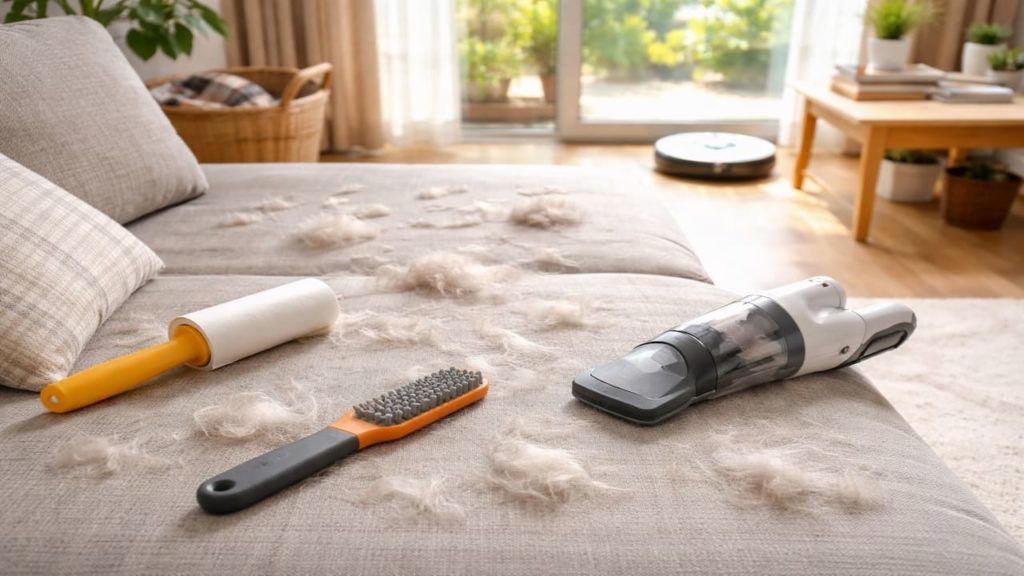
Pet hair tangles into futon fabric, so vacuuming first can push it deeper—especially after a humid tsuyu night. Start by lifting hair with friction, then use suction to finish seams and corners. In Japan apartments, hair also falls onto tatami and returns quickly if you skip the floor edge. Quick sequence.
Vacuuming and using a damp cloth can help keep indoor allergens lower during routine cleaning. According to Asthma and Allergy Foundation of America.
- Remove cover and shake outside on balcony
- Use lint roller passes from center to edges
- Rub with damp rubber glove to lift fur
- Vacuum with upholstery tool along seams and corners
- Bag hair and wash hands after handling
You might think a stronger vacuum solves everything. But fur clings by static and friction, so you need the lift step first. Do it in this order, and cleanup stays short even in Japan rainy season.
2. Remove fur fast and keep it fresh
Freshness comes from stopping fur plus sweat from staying trapped.
Fur by itself is annoying, but fur plus moisture is what makes a futon feel stale in Japan. The goal is to remove hair, then dry the surface so oils and dampness do not sink into the core. A washable cover is your best helper because it takes the daily abuse in small homes—then you clean the cover, not the whole futon.
Pet hair can wrap around vacuum brush rolls and reduce cleaning efficiency, so regular maintenance helps. According to American Kennel Club.
- Put washable cover on futon during shedding
- Keep pet grooming routine to reduce loose hair
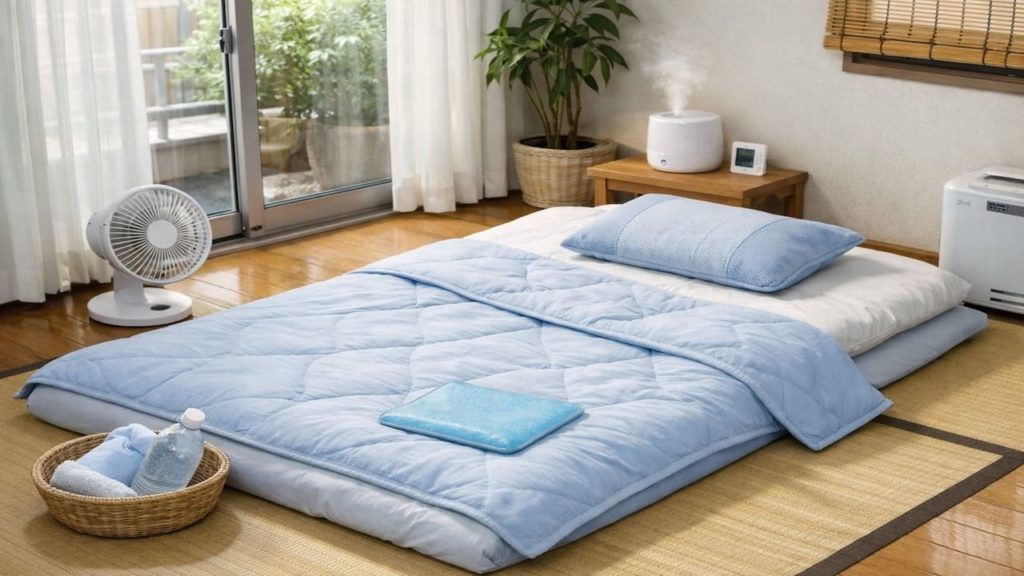
- Use fan and open window to dry fibers
- Store futon in closet with airflow gap
- Clean tatami edges where fur collects daily
Some people try sprays to “freshen” the smell. That often adds moisture and makes tsuyu problems worse in Japan. Remove hair, dry the surface, and the smell has less fuel.
3. Why pet hair sticks to futons in Japan?
Hair sticks when static moisture and compression meet.
In winter, heater air can dry the room and build static, so hair clings like it is glued. In tsuyu, humidity makes fibers tacky, and hair grips the weave instead of sliding off. Small Japanese rooms also compress bedding more, so hair gets pressed into quilting lines and seams—then it resurfaces later. Sticky cycle.
- Note static buildup on covers during dry winter
- Check humidity spikes after bath and laundry
- Watch pet jumping spot that compresses fibers
- See hair embedding near stitches and quilting lines
- Notice odor when fur traps sweat in tsuyu
You may blame your pet’s shedding. The room conditions matter just as much, especially in Japan seasonal swings. Once you manage static and moisture, removal becomes easier and faster.
4. How to remove pet hair from a futon
Use a two tool routine then finish with airflow.
Pick one friction tool and one suction tool, then repeat the same order every time in Japan. For basics like a lint roller, rubber gloves, or a simple upholstery brush, plan ¥100–500 and keep them near the closet. Run the routine in short bursts so you do not grind hair deeper into the fabric—then dry the surface with airflow to prevent stale odor.
- Mist lightly with water then glove wipe surface
- Roll lint roller in one direction for speed
- Vacuum seams slow and empty canister outside
- Air futon upright with fan for one hour
- Wash cover and dry fully before night
It is easy to over-clean and still feel unhappy. But if you keep the order and finish with airflow, the futon stays cleaner longer in tsuyu. The goal is fewer resets, not perfection.
5. FAQs
Q1. Should I vacuum pet hair off a futon every day?
Daily vacuuming is not required if you use a cover and do quick lint roller passes. In Japan, focus more on tsuyu weeks when moisture makes fur cling and smell faster.
Q2. What works fastest when fur is embedded in seams?
Lift with a glove then vacuum the seam line. Seams trap hair in small Japanese rooms where bedding stays close to the floor, so finish corners slowly.
Q3. Does a humidifier or dehumidifier help with fur?
Humidity changes how fur sticks and how odor forms, especially during tsuyu. Keep airflow moving and avoid extreme dryness that increases static in winter.
Q4. Can I beat the futon to remove fur?
Beating can fling hair into the room and bring it back onto tatami and shelves. Use friction lifting and controlled vacuuming instead, then air the futon.
Q5. Why does the futon smell after pet hair cleanup?
Hair can hold sweat oils and moisture, so odor returns if the surface stays damp. Dry with airflow before folding and store with a small airflow gap in the closet.
Pro's Tough Talk

I’ve been on site for 20+ years. I’ve worked on hundreds of jobs. Japan’s tsuyu humidity makes fur stick like it is paying rent.
Three causes, simple: you vacuum first and mash hair deeper, you ignore the tatami edge where fur lives, and you fold it while it is still damp. Fur is like glitter at a kids party, and static is like a magnet with attitude. One common scene is rolling the futon up fast, then fur snow falls out later. Another scene is wiping once, feeling proud, then seeing the same hair on your shirt at dinner.
Three-step fix: lift fur with glove or roller, vacuum seams slowly, then stand it up and move air across it. Keep it short and repeatable.
Come on.
Do it for five minutes daily during shedding weeks.
Stop fighting fur with brute force and use the right order. When you manage moisture and airflow, Japan rainy season stops turning your futon into a lint trap.
Keep doing random slap-cleaning, and your futon will start shedding back at you out of spite.
Summary
Remove pet hair fastest by lifting it first, then vacuuming seams and corners. Japan’s seasons change static and moisture, so timing and airflow matter.
Use a washable cover, keep tatami edges clean, and dry the surface before folding. If odor returns, treat it as trapped moisture plus hair residue.
Do the quick routine today and keep it consistent. Keep browsing related futon care topics on this site to match tsuyu, winter heaters, and small-room living.