Trying to sun-dry a futon sounds simple, but balconies in Japan can make it oddly stressful. One gust of wind and you start imagining your futon flying away.
Japan’s rainy season and humid summers also mean a futon can feel dry on top while still damp inside. In apartments, balcony space is tight and airflow is tricky.
In this guide, you’ll learn how to sun dry a futon safely on a Japan balcony with checks that prevent moisture, fading, and neighbor trouble. You will know when to flip it, how to secure it, and what to do when the weather shifts.

Hi, I’m Ken — I’m Japanese, and I live in Malaysia long-term, so I explain everyday life in Japan from a practical ‘from abroad’ perspective.
I hold a building design qualification and I’ve been on site for 20+ years across hundreds of jobs. I turn Japan’s unspoken rules into simple checks, so you can avoid costly mistakes and take the next step with clear actions that feel safe.
1. Futon sun drying: 5 checks
Check wind and secure the futon first before you chase sunlight.
Balcony drying is common in Japan, but it is also where accidents and complaints happen. Wind. After baiu, humid air slows drying and makes a damp core easy to miss. The UV Index can spike on clear days, so shorten exposure and secure corners—then flip and air both sides. According to data.jma.go.jp.
- Check balcony wind today before hanging anything outside
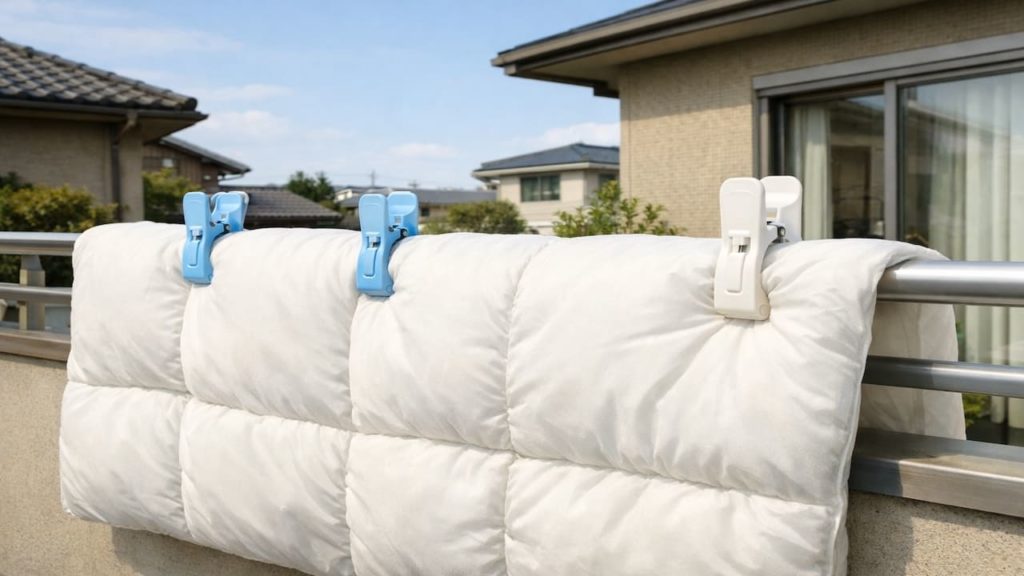
- Use two futon clips on each side
- Hang with equal weight on both halves
- Flip the futon once during each drying session
- Bring it in if clouds thicken fast
Some people skip clips and just drape it, but that is gambling with gravity and gusts. If your building has rules, follow them and dry shorter. Drying works when it is controlled, not heroic. Secure first, then sun.
2. Do it right on balconies in Japan
Respect building rules and keep fibers off rails so drying stays quiet.
Many Japanese apartments have balcony use rules because space is shared and items can fall. Rules. If your futon touches a rough rail or dusty wall, you can grind grime into the fabric under pressure—especially in tight balcony setups. Keeping indoor humidity lower also helps, because mold grows when a closet and balcony door area stay damp. According to tabunka.tokyo-tsunagari.or.jp.
- Read balcony rules in your lease binder
- Place a clean sheet between futon and rail
- Keep the futon inside the balcony line
- Shake off dust before bringing it back
- Wipe the rail once before hanging anything
You might think rules are overkill, but one dropped corner can end the whole habit for you. Japan’s dense housing means small mistakes reach other people fast. Keep it tidy, keep it inside, keep it short. Quiet drying wins.
3. Why balcony sun drying fails in Japan
Most failures come from hidden moisture and timing not from lack of sun.
Top surface dries quickly, but the fold line and core dry slowly, especially after a sweaty night. Timing. In Japan, afternoon pop-up showers or sudden cloud cover can leave you with a damp core if you rush it—then the smell shows up later. Pollen season and fine dust can also settle on a slightly moist futon, making it feel itchy later.
- Press the center to feel cool dampness
- Smell the fold line before storing it
- Dry earlier in the day for stability
- Avoid drying during heavy pollen days outside
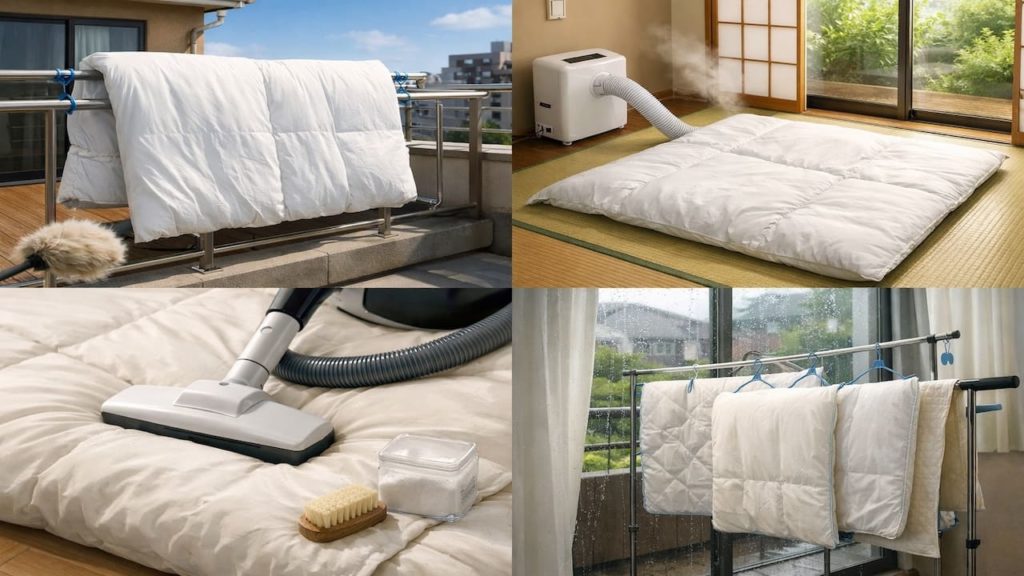
- Air indoors near a window after outdoor time
People blame bad futons, but the pattern is usually the same. They dry too late, forget the underside, then store it warm. Japan’s climate rewards patience, not speed. Check the core, then store.
4. How to sun dry a futon on a balcony
Use short cycles and flip with a timer to dry the core without fading.
Start with a quick indoor air-out, then move to the balcony when sun and wind are stable. Order. For basic supplies like strong clips, a clean cover sheet, or a simple drying rack, expect about ¥500–3,000 depending on what you already own. In Japan, strong UV and humid air mean short cycles work better—bring it in to cool before folding.
- Air the futon indoors for ten minutes
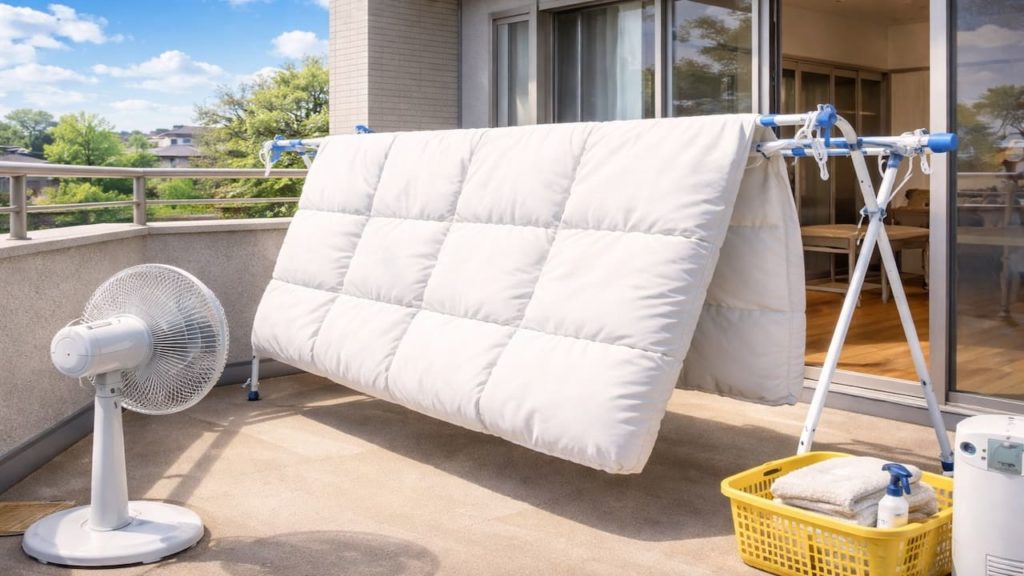
- Hang it with clips and a cover sheet
- Set a timer for flipping halfway through
- Tap lightly by hand instead of beating
- Cool it indoors before folding for storage
You may want to leave it out for as long as possible, but that can fade patterns and dry the surface unevenly. Japan’s balcony drying works best in controlled blocks, not all-day exposure. When you bring it in, let it cool and dehumidify a bit. Dry, cool, fold.
5. FAQs
Q1. How long should I sun dry a futon on a balcony?
Two short sessions with one flip often works better than one long session in Japan’s humid air. Aim for a stable window and adjust if the sun is harsh—fabric can fade faster than you expect.
Q2. Should I beat a futon to remove dust?
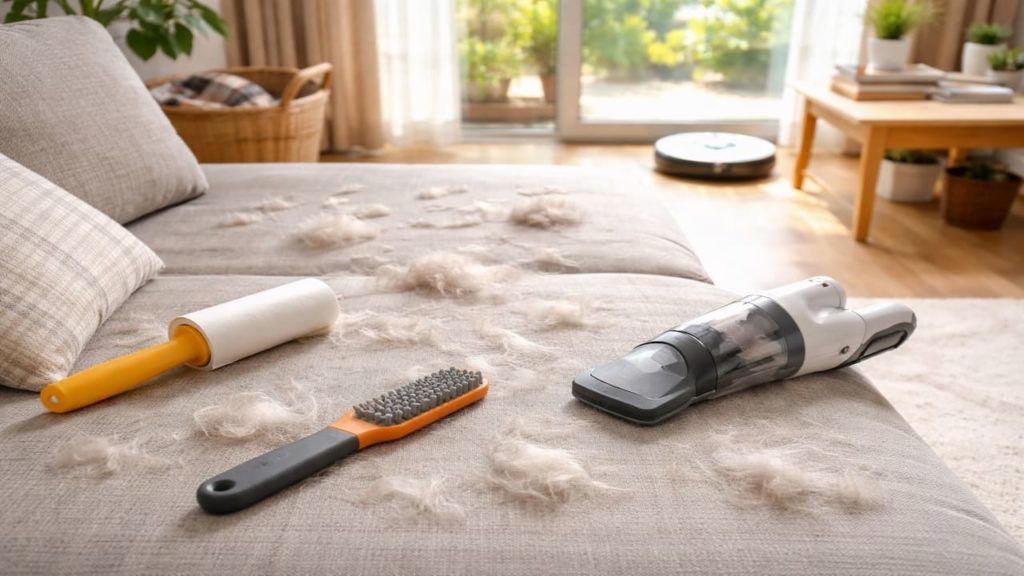
No, heavy beating can damage fibers and flatten the fill. Use your hands to pat lightly, then vacuum the surface if you have a bedding head.
Q3. What if my balcony gets little direct sun?
Use bright shade plus airflow, then finish near a sunny window inside. Airflow.
Q4. Can I dry a futon during rainy season?
You can, but choose rare dry breaks and keep sessions short. If the air feels sticky, finish with indoor ventilation and moisture control.
Q5. When is it unsafe to dry outside?
If wind is strong enough to move hangers, skip it. If you cannot secure corners with clips, dry indoors instead.
Pro's Tough Talk

I’ve been on site for 20+ years. I’ve worked on hundreds of jobs. Japan’s balconies are small, and summer air is wet even when the sky looks clean.
Three causes: you hang it like a flag and trust luck, you dry only the pretty side, and you store it while it still feels warm inside. Nobody is stupid, just busy. That moisture is a slow leak, like a tiny roof gap that ruins a ceiling later.
Three steps: clip it like you mean it, flip it on a timer, then cool it indoors before folding. Kid-simple. A futon is a sponge, and your closet is the lid on the pot.
Stop treating balcony drying like a festival and treat it like maintenance. You know that moment when you hear a thump outside and pretend it was not your bedding. You know that moment when you sniff the closet and blame summer instead of your storage habits.
Seriously, you are not air-drying ramen.
Summary
Balcony sun drying in Japan works when you secure the futon and dry both sides. Routine.
If your balcony is shady or the air is sticky, finish drying indoors with ventilation. If smell returns, you still have hidden moisture.
Clip flip cool is the simple routine to remember tonight. Keep exploring related futon care guides on the site to make floor bedding easier all year.