Choosing futon thickness sounds simple until your hips sink too deep or your shoulders ache on the floor. If you feel fine on a bed but not on a futon, thickness is usually the missing clue.
In Japan, floor sleep often means tatami rooms, compact apartments, and humid summers that change how bedding feels overnight. A futon that seems perfect in winter can feel sticky and flat in baiu season.
In this guide, you’ll learn how to pick futon thickness that stays comfortable on floors without guessing or buying the wrong thing twice. You will also know what checks matter most for Japan-style daily folding and airing.

Hi, I’m Ken — I’m Japanese, and I live in Malaysia long-term, so I explain everyday life in Japan from a practical ‘from abroad’ perspective.
I hold a building design qualification and I’ve been on site for 20+ years across hundreds of jobs. I turn Japan’s unspoken rules into simple checks, so you can avoid costly mistakes and take the next step with clear actions that feel safe.
1. Futon thickness choice: 5 checks
Thickness should match your body weight and your floor so pressure spreads instead of stabbing one spot.
Traditional shikibuton can be thinner than Western mattresses, and floor type changes the feel a lot in Japan homes. Floor sleep. If the futon is too thin, you feel the hard surface through your hips and shoulders. If it is too thick, it can trap heat and become harder to fold in small rooms.
Many shikibuton are only a few inches thick and need regular airing. According to Metropolis Japan.
- Test your hip sink with one firm press
- Lie on your side and check shoulder pressure
- Check if knees feel supported on back sleep
- Compare feel on tatami versus hard flooring
- Fold it once and judge daily handling effort
You might chase softness, but on floors, support often matters more—especially in Japan apartments where you sleep close to ground. If you wake up with sharp pressure points, add support first. If you wake up sweaty, reduce heat trapping next. Comfort is balance, not thickness alone.
2. Pick comfort that fits floor sleep
Pick the thinnest setup that still protects your joints because floor sleep punishes bad support fast.
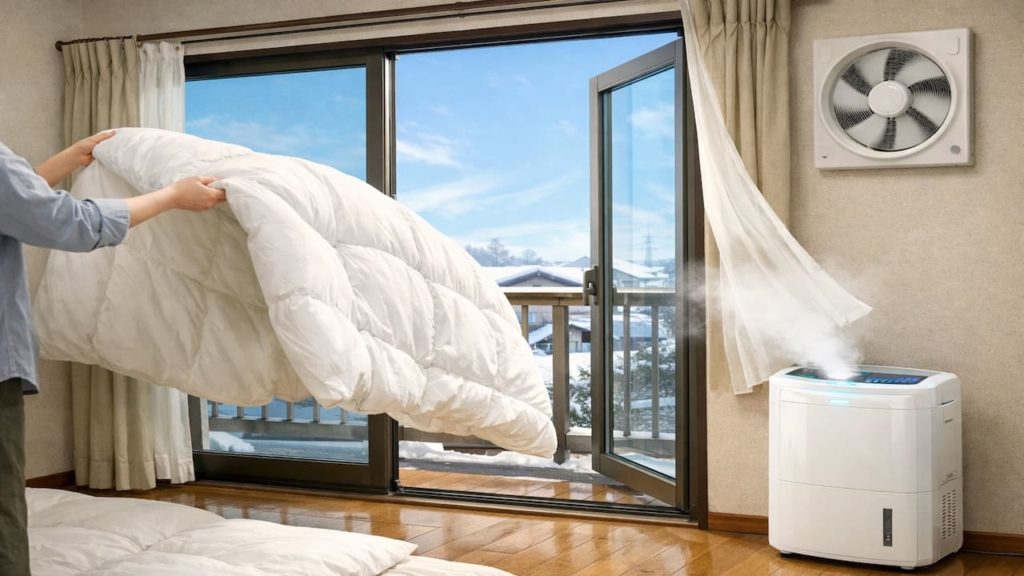
A good floor setup feels stable, not bouncy, and it stays dry enough to air easily in Japan’s humid seasons. Spine line. Thick bedding can hide poor posture at first, then collapse and feel uneven later. A breathable cover and routine airing help keep bedding healthier in warm, humid rooms.
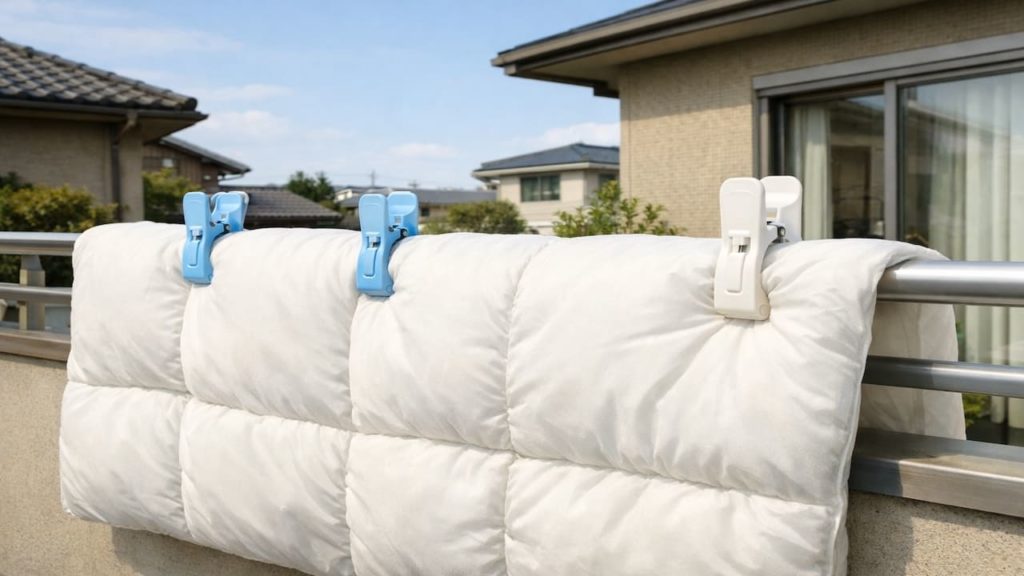
Airing futons on sunny days and keeping humidity down helps reduce mites and mold. According to Tokyo Metropolitan Government.
- Choose firm support before adding extra plush layers
- Use a washable cover to manage summer sweat
- Leave a small gap for airflow under bedding
- Rotate sleep direction weekly to spread compression
- Air the underside after humid Japan nights
You may think thicker always equals better, but floor sleep gets uncomfortable when your body sinks unevenly. In Japan, daily folding and airing are part of the lifestyle, so portability matters too. Pick a stable base, then adjust comfort with a thin layer. That is the smart way.
3. Why thickness matters for floor sleeping
Thickness controls pressure and heat at the same time and floors make both problems louder.
When you sleep on a floor, the surface does not give, so your futon must spread load for you. Pressure points. If your hips press through, your lower back can twist and your shoulders can go numb. In Japan summers, extra thickness can also trap warm humid air around your body and slow drying after sweat.
- Notice numb arms after side sleeping sessions
- Check lower back tightness right after waking
- Feel heat buildup around hips after one hour
- Watch for a damp core after rainy evenings
- Track if folding feels heavier each humid week
Some people blame age or stiffness, but the setup often drives the pain. A floor setup that is too thin hurts quickly, while one that is too thick can get hot and musty in Japan’s muggy months. Choose the thickness that keeps your spine neutral and your bedding breathable. That is the win.
4. How to choose the right futon thickness
Start with a firm base then tune comfort with layers so you can adapt to Japan seasons.
First, decide your base for the floor you actually sleep on, then add a thin topper only if pressure points remain. If you are buying new, expect roughly ¥10,000–40,000 depending on materials, size, and whether you add a thin layer for comfort. Small rooms. Japan homes often need daily folding, so avoid a setup you hate moving every morning.
- Pick a firm base suited to your floor
- Add a thin topper only for shoulder relief
- Test folding height against your closet shelf space
- Sleep three nights before judging final comfort
- Plan a weekly airing routine during humid seasons
You might want the perfect thickness on day one, but comfort changes after the fill settles. Give it a few nights, then adjust with a thin layer instead of replacing everything. In Japan, seasonal humidity and temperature swings are real, so flexible layering is practical. Buy a base you trust.
5. FAQs
Q1. What thickness is best for beginners on the floor?
Choose thickness based on your floor and body rather than a single number. Start firm enough to avoid hip pressure, then add a thin topper if shoulders complain.
Q2. Is thicker always better on hardwood floors?
Hardwood can feel harsher than tatami, so you may need more support or a base layer. Still, too thick can trap heat in Japan summers and become hard to fold daily.
Q3. Should I use a topper or buy a thicker futon?
A topper is often the safer adjustment because you can remove it in humid months—especially in Japan. Buy a solid base first, then tune comfort with a thin layer.
Q4. How do I know my futon is too thin?
If hips press through and you feel floor hardness, it is too thin for your body on that surface. Numb shoulders or sharp lower back tightness after waking are common signs.
Q5. How do I keep a thicker setup from getting musty?
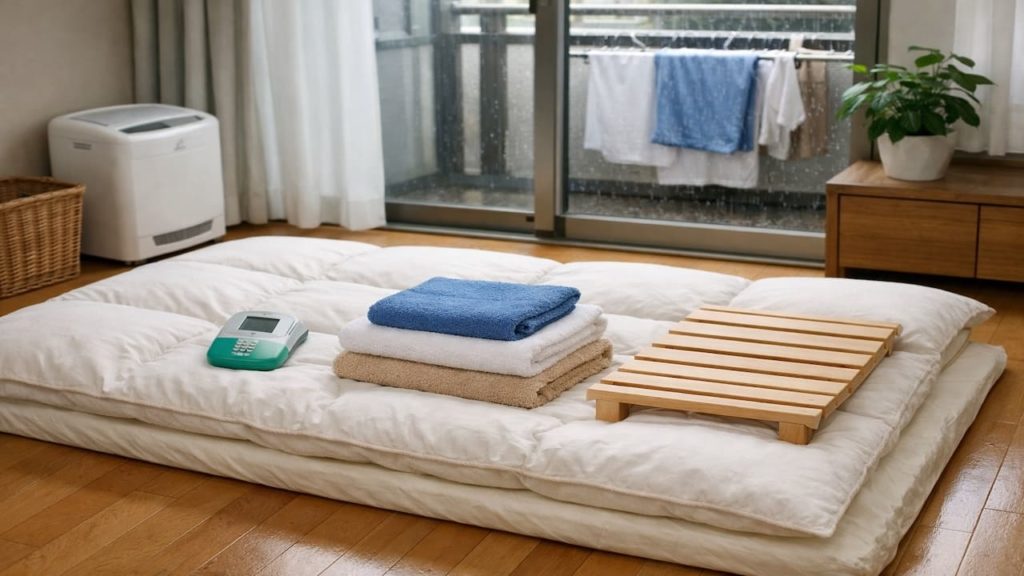
Air it longer, lift it daily, and keep airflow under the bedding. In Japan’s rainy season, dehumidifying the room often matters more than sunlight alone.
Pro's Tough Talk

I’ve been on site for 20+ years. I’ve worked on hundreds of jobs. Japan’s humid summer is the kind that makes even “clean” bedding feel weird overnight.
Three causes, cold truth: you buy thick because it feels nice in the shop, you ignore airflow under the futon, and you fold it warm like you are sealing leftovers. Nobody is dumb, the floor just does not forgive. It is like putting soft tires on a concrete road and expecting silence.
Three steps, right now: get a firm base that does not bottom out, add a thin layer only where your body needs it, and air the underside like it is a wet towel. Easy words. Simple routine. And yes, you will feel the difference fast.
Pick support first then add comfort on purpose and you stop waking up angry at your own bedding. You know that scene where you roll over at 2 a.m. and hunt for a “cool spot” like a penguin. You know that scene where you fold it in the morning and the center feels a bit too warm.
Seriously, stop buying thickness like it is a personality.
Summary
Futon thickness should protect joints while staying easy to fold and air. Floors make mistakes louder.
If you wake up sore or sweaty, adjust the base and airflow before you chase softness. Japan humidity changes comfort more than you expect.
Choose a firm base and tune with a thin layer and you will sleep cooler and more stable through the seasons. Keep exploring related futon guides to make floor sleep feel effortless.