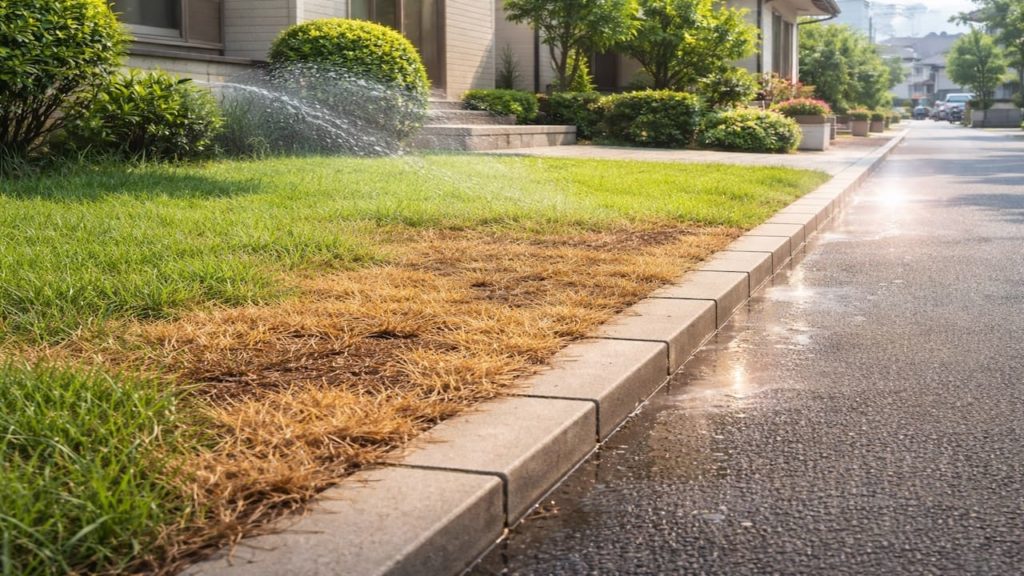
You look at the flower bed and see lawn runners sneaking in like green cables. One week later, they’ve stitched the bed edge and started taking territory.
This is common when the bed edge is soft, the lawn grows fast, and there’s no hard boundary. In Japan, humid summers and rainy season growth spurts can make runners spread faster than you expect.
In this guide, you’ll learn how to stop lawn runners from invading beds. You’ll use edging cuts and simple barriers so the lawn stays in its lane.

Hi, I’m Ken — I’m Japanese, and I live in Malaysia long-term, so I explain everyday life in Japan from a practical ‘from abroad’ perspective.
I hold a building design qualification and I’ve been on site for 20+ years across hundreds of jobs. I turn Japan’s unspoken rules into simple checks, so you can avoid costly mistakes and take the next step with clear actions that feel safe.
1. Lawn runners invade beds 5 tips to control spread
Runners spread where the edge is weak or buried.
Runners follow moisture and loose soil, and beds often have both. If mulch drifts over the lawn edge, runners can root into it and disappear until they pop up inside the bed. In Japan, fast growth after warm rain makes edges drift and blur. Messy border.
- Trace runners back to the lawn edge source
- Check if mulch covers the edge line
- Look for runners rooting under loose mulch
- Inspect corners where edging tools miss cuts
- Mark the bed line with string for clarity
You might think pulling runners in the bed fixes it. It won’t if the edge stays open, because new runners keep arriving. Control the border and you cut the supply line.
2. Edging cuts and barriers
A clean cut edge beats endless pulling.
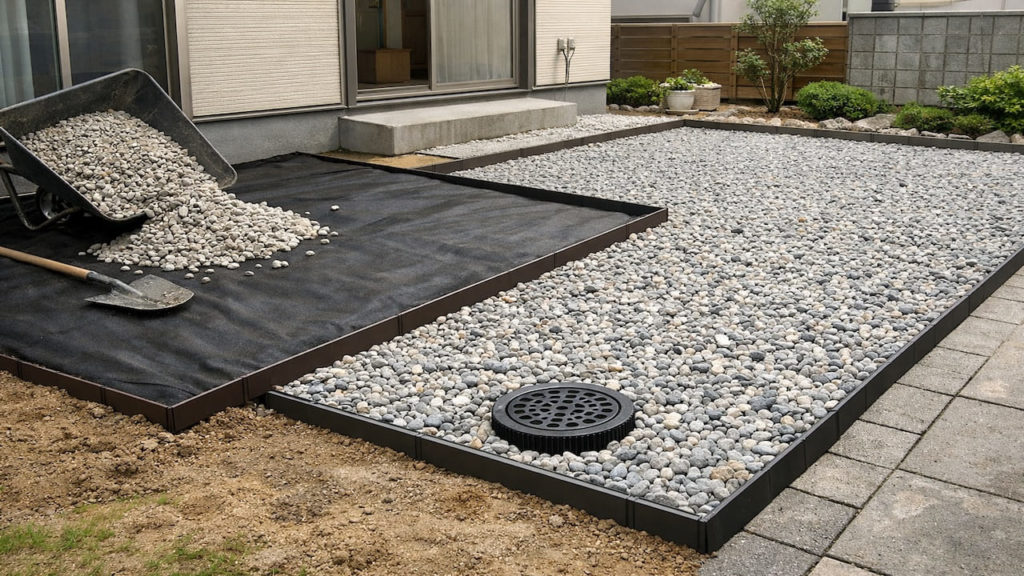
Edging cuts create a gap runners struggle to cross, and barriers block them when the lawn is aggressive. In Japan, beds near paths often get soil pushed and compacted, which can hide the edge and let runners sneak through. Sharp line. Visible gap.
For a basic edging tool or simple plastic/metal barrier pieces, plan around ¥1,000–5,000 depending on length and quality. Cost is mostly time/effort if you already have tools.
- Cut a crisp edge trench and keep it open
- Set barrier depth so runners hit it early
- Keep mulch back from the edge gap
- Trim runners weekly during fast growth periods
- Compact the bed edge soil lightly to reduce gaps
You could argue barriers look ugly. Then keep the trench clean and use a natural edge, but you must maintain it. If you want low effort, a hidden barrier under mulch is usually the cleanest compromise.
3. Why lawn runners invade beds so aggressively
Runners invade because beds are easier than thick turf.
Inside the lawn, runners compete with other blades and get mowed. In beds, they get loose soil, less competition, and sometimes extra watering. In Japan’s warm humid months, that is basically an invitation. Free expansion.
- Loose bed soil makes rooting fast and easy
- Mulch holds moisture that runners love
- Bed watering feeds runner growth without mowing
- Mowers push soil and blur the border line
- Warm rainy periods accelerate runner extension
Some people blame the grass type and feel doomed. Grass behavior matters, but border design matters more. If you make the edge hard to cross, the invasion slows regardless of variety.
4. How to lock the bed edge so runners stop crossing
Combine a trench cut with a barrier for the best hold.
Start by defining the bed line, then remove runner roots already inside. Install a barrier where the lawn is strongest, and keep a clean gap so you can see invaders early. In Japan, this works better than herbicide because rain and growth cycles make chemical-only control inconsistent. Mechanical wins.
For barrier rolls, spikes, and fresh mulch reset, expect about ¥3,000–12,000 depending on bed length. If you DIY slowly, it stays neat and lasts longer.
- Dig a narrow trench and remove hidden runner roots
- Install barrier with top edge slightly exposed
- Backfill bed side and tamp to close gaps
- Keep a 2 finger-width gap free of mulch
- Edge cut monthly during the growing season
You might want to do one big clean-out and never touch it again. That’s fantasy. The real win is a clean border plus small maintenance cuts, because runners are persistent by design. Set the system, then maintain it lightly.
5. FAQs
Q1. How deep should an edging barrier be?
Deep enough that runners hit it instead of diving under, which often means several centimeters into the soil. The best depth depends on the grass type, so check how your runners travel in your soil.
Q2. Should I pull runners or cut them?
Pulling can work if you get the nodes and roots, but it can also break and leave pieces behind. Cutting at the edge is more reliable when you combine it with a barrier.
Q3. Can mulch stop runners by itself?
Mulch helps, but runners can root into it if it stays moist. A visible edge gap is what stops sneaky rooting, not just thicker mulch.
Q4. Why do runners always invade the same corner?
Corners get missed by edging tools and collect extra soil and mulch. Once runners root there, they keep sending new shoots into the bed.
Q5. What if runners keep coming even with a barrier?
Check for gaps, shallow sections, or spots where mulch bridges over the barrier. Tighten those weak points and keep the trench clear so you spot new growth early.
Pro's Tough Talk

I’ve spent 20+ years working around Japanese homes, so I’ve seen what tends to work—and what tends to go wrong—in everyday use. Lawn runners invading beds is the classic “nice garden you got there, shame if it became lawn.”
Cold truth: runners are built to travel, and beds are soft, watered, and unguarded. That’s like leaving your door open and acting surprised when mosquitoes come in. In humid Japanese summers, they sprint like they’re late for a train.
Seriously?
Cut a clean edge today. Remove runner roots from the bed tomorrow. Install a barrier and reset mulch this weekend.
If you can see the edge line, you can control it. If the edge is buried under mulch and soil, you’ll keep fighting blind and losing little bits of your bed every week.
Let runners roam and your flower bed will turn into a turf showroom.
Summary
Lawn runners invade beds when the border is soft, buried, and easy to cross. Check for mulch bridging, missed corners, and runners rooting under loose soil.
Control spread by cutting a clean edge, using a barrier where needed, and keeping a visible gap so you spot invaders early. If runners keep returning, your edge system has a weak point.
Make the edge visible and do small monthly cuts. Once the supply line is blocked, beds stay clean and you stop wasting time pulling runners forever.