You finish an ofuro bath, then the bathroom looks messy again in minutes. You want it clean fast, not perfect.
In Japan unit baths, water stays in seams and corners, especially in tsuyu humidity. If you miss the wet spots, odor and mold start quietly.
In this guide, you’ll learn a quick reset you can finish in minutes so the bathroom looks clean, dries faster, and stays low stress.

Hi, I’m Ken — I’m Japanese, and I live in Malaysia long-term, so I explain everyday life in Japan from a practical ‘from abroad’ perspective.
I hold a building design qualification and I’ve been on site for 20+ years across hundreds of jobs. I turn Japan’s unspoken rules into simple checks, so you can avoid costly mistakes and take the next step with clear actions that feel safe.
1. Ofuro quick reset routine: 5 steps
A quick reset works when you remove water and residue — that is the whole game.
Do the reset right after the last bath, while surfaces are still warm and easy to rinse. In Japan apartments, tight doors and short air paths make damp linger longer than you think. The goal is to stop leftover water from sitting and turning sour. Fast, not fancy.
Using extractor fans and letting them run for at least 15 minutes after a shower helps reduce condensation and damp. According to Energy Saving Trust.
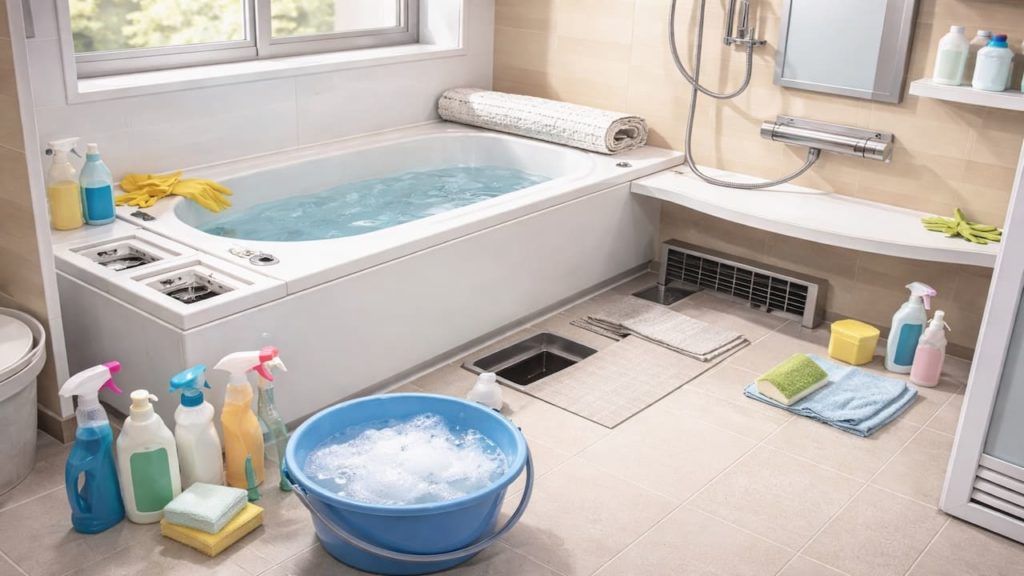
- Rinse walls quickly to remove soap residue
- Squeegee mirror and panels to stop water beads
- Wipe door gasket and bottom rail dry
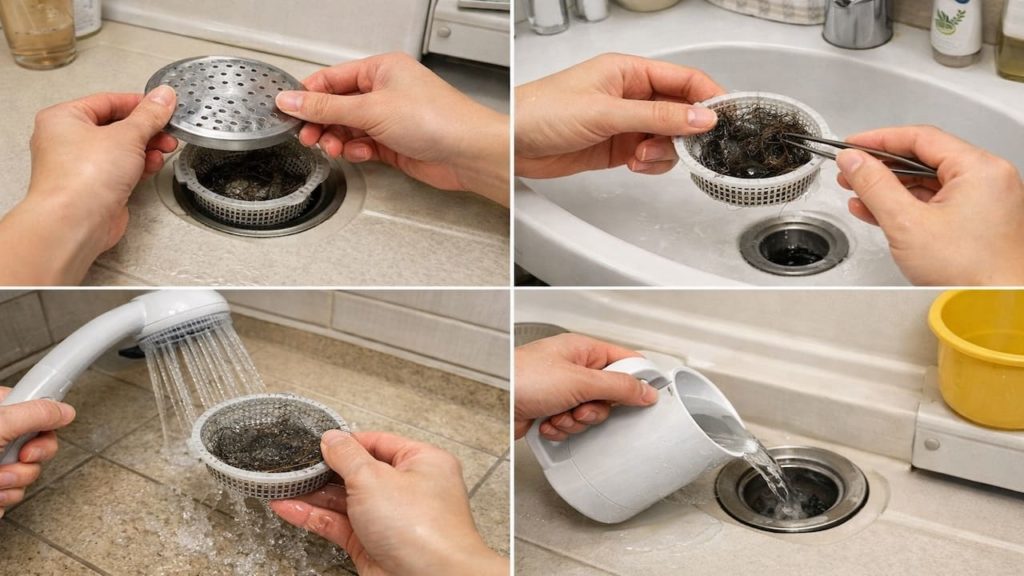
- Empty hair catcher and rinse drain cover
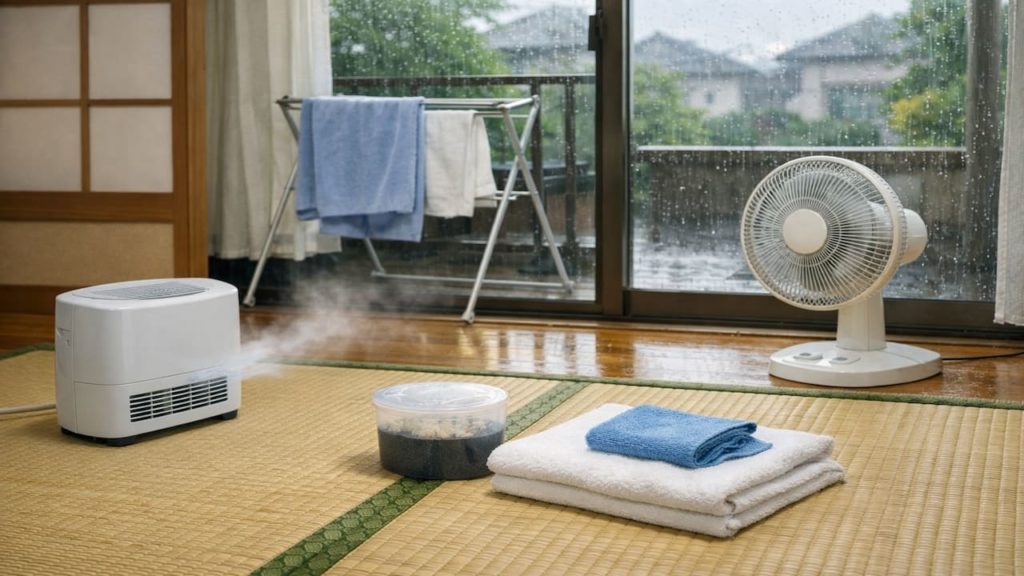
- Hang mat and stool so air reaches underside
You might think you need a full scrub every time, but that burns you out. This reset targets the top sources of slime and smell in Japan unit baths. Do it daily and deep cleaning becomes rare. Routine.
2. Make the bathroom clean in minutes
Make the reset frictionless so you actually do it — setup beats willpower.
Keep tools where your hand can grab them, and keep the sequence the same every night. In Japan winter, warm steam hits cold surfaces and leaves droplets everywhere, so ending with drying matters. The bathroom should look clean before you leave the room. Done.
Increasing ventilation and cleaning more frequently usually prevents recurring bathroom mold, or keeps it to a minimum. According to epa.gov.
- Keep a cloth and squeegee within arm reach
- Use warm rinse first then finish with cool
- Leave fan on and crack door slightly
- Store bottles on tray to avoid puddles
- Dry towels outside bathroom not on rails
You may worry the door crack spreads humidity, but a running fan pulls air the right way. In Japan rentals, the real problem is trapped wet air, not open air. Smooth habits win. Control.
3. Why quick resets fail in ofuro bathrooms
Resets fail when one wet zone keeps feeding grime — usually drain and gaskets.
Cause one is hidden water under mats and chairs that never fully dries. Cause two is soap film that holds moisture like a thin glue layer, especially in Japan humid weeks. Cause three is leaving bottles on the floor, so tiny puddles return every night. The loop.
- Notice musty smell near drain after closing door
- Check pink slime lines around corners weekly
- Spot water pooling under mat after shower
- Feel gasket folds for slimy film buildup
- Track drying time during tsuyu humid weeks
You might blame “old building smell,” but most odor comes from a few repeat spots. Fix those spots and the room feels newer fast. In Japan unit baths, small places decide everything. Leverage.
4. How to reset an ofuro bathroom in 3 minutes
Use one fixed order and stop when the wet shine is gone — that is your finish line.
Do rinse, squeegee, wipe, drain, then ventilate, and you will cut most problems in Japan apartments. cost is mostly time/effort. If you only have energy for one step, do the drain and gasket wipe first. Minimum effective.
- Set a two minute timer before you start
- Do rinse squeegee wipe drain in that order
- Finish with quick cool rinse to lower steam
- Keep fan running until surfaces feel dry
- Repeat after last bath to lock results
You may want to keep going until it looks perfect, but perfection kills consistency. Stop at dry and tidy, then leave. In Japan, humidity punishes delay, not small imperfection. Enough.
5. FAQs
Q1. When is the best time to do a quick reset?
Right after the last bath or shower, while surfaces are warm and water is easy to push away. In humid seasons, waiting even 30 minutes can make drying slower.
Q2. What is the one spot I should never skip?
The drain hair catcher and the door gasket area are the usual stink sources. If you only do one step, do those two fast.
Q3. How long should I run the fan after the reset?
Run it until the room feels dry to touch. In Japan tsuyu weeks, that often means 15 to 30 minutes, especially if the door stays closed.
Q4. Do I need strong chemicals for a daily reset?
No, daily resets are about water removal and light residue rinse. Save strong cleaners for visible mold or scale, not for routine.
Q5. What if the bathroom still smells clean but looks wet?
Wet shine is still a risk because it feeds slime and mold later. Focus on squeegee and gasket wipe, then let ventilation finish.
Pro's Tough Talk

I’ve spent 20+ years working around Japanese homes, so I’ve seen what tends to work—and what tends to go wrong—in everyday use. In tsuyu, a “clean-looking” bathroom can still be a damp box. If you leave water sitting, the room pays you back with stink.
The real cause is boring: leftover water plus soap film plus no airflow. It clings like a wet sticker on a phone screen, and it spreads like a slow leak you never see. Nope. You know the scene where you step out, toss the mat flat, and it smells sour next morning. You know the scene where you rinse fast, close the door, and the drain area feels slimy again by night.
Push water down the drain now.
Wipe the gasket and bottom rail today.
Hang the mat and run the fan this weekend.
Dry beats scrub for everyday bathroom care. If you did this and it still fails, next is checking the fan airflow and deep cleaning the drain parts.
Keep skipping the reset and you will spend your weekends cleaning a room that could have stayed clean. That is a sad hobby.
Summary
Do the quick reset after the last bath: rinse, squeegee, wipe gaskets, clear the drain, then ventilate. That removes the fuel for odor and mold.
If the room still stays wet or smells after a week, focus on drain parts and airflow — use “dry to touch” as your decision test.
Tonight do the reset once and stop at dry. Keep it simple, and your ofuro bathroom stays clean without stealing your time.