You shower, then plan to soak, but the in-between feels slow and chilly. The bathroom gets wet, cluttered, and you lose your warm momentum.
In Japan apartments, thin insulation and small unit baths make temperature gaps feel sharp. A messy flow also keeps steam trapped and makes cleanup harder.
In this guide, you’ll learn how to move from shower to soak smoothly with a fast routine that saves minutes and keeps you comfortably warm.

Hi, I’m Ken — I’m Japanese, and I live in Malaysia long-term, so I explain everyday life in Japan from a practical ‘from abroad’ perspective.
I hold a building design qualification and I’ve been on site for 20+ years across hundreds of jobs. I turn Japan’s unspoken rules into simple checks, so you can avoid costly mistakes and take the next step with clear actions that feel safe.
1. Ofuro shower to soak flow: 5 tips
A smooth flow starts before you turn on the shower — set the room up once, then coast.
Most time loss happens when you stop to search for items while wet. In Japan winter, standing wet even 30 seconds can feel brutal, so you want fewer pauses. Pre-warm the space and keep actions in one direction. Less backtracking, less chill.
Warming the bathroom and dressing area helps reduce temperature shock during bathing. According to Tokyo Gas.
- Set towel and clothes within arm reach
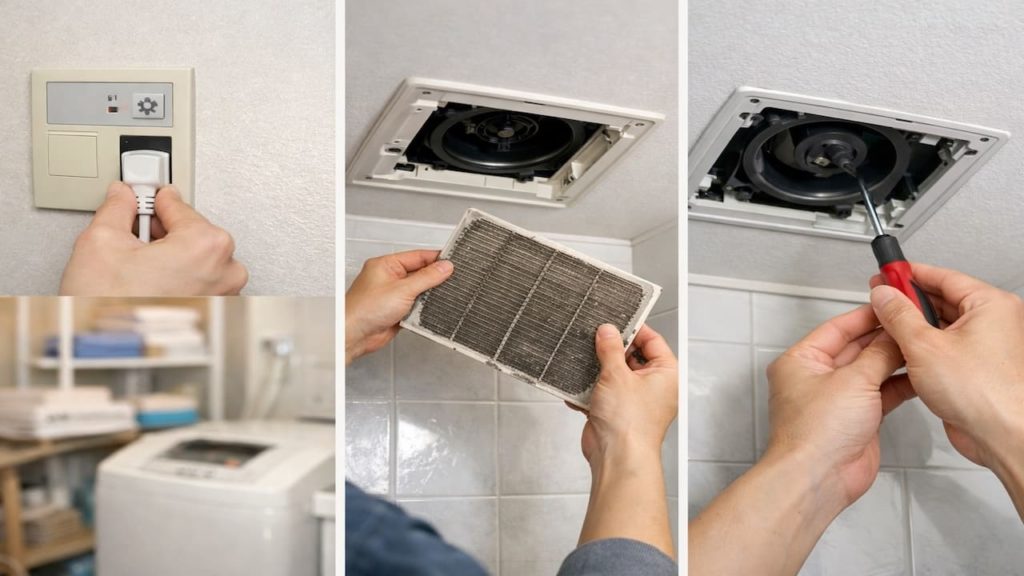
- Turn on fan and warm the room
- Place shampoo and soap in one spot
- Rinse tub floor quickly before washing body
- Fill tub while you do quick washing
You might think “I can improvise,” but improvising is what adds minutes. A fixed order is faster in Japan unit baths because everything is close. Once the tub is ready, your body stays warm and relaxed. That is the point.
2. Finish faster and stay comfortably warm
Stay warm by avoiding the cold wet pause — move with purpose and keep heat on your skin.
The cold feeling usually hits when you stop moving and start dripping. In Japan housing, the dressing area can be colder than the bath space, so you want to minimize door-open time. Keep the door shut during washing, then transition fast. Your warmth is a resource.
Heat shock risk rises with large temperature changes between rooms during bathing. According to nippon.com.
- Use a washcloth to cover shoulders between steps
- Turn shower off while you move items
- Rinse body quickly then enter tub promptly
- Close the bath door gently after entering
- Keep a small towel on the tub edge
You may worry this sounds too strict, but it is just removing dead time. In Japan, the comfort difference is huge when you stop that wet pause. You still get a calm soak, just without the shiver. Better bath.
3. Why shower to soak feels slow and cold
The slow part is usually clutter and extra water on surfaces — not your actual bathing time.
Cause one is tool chaos, where bottles and stools force you to shuffle around. Cause two is steam management, where you keep the door open and lose warmth in Japan winter nights. Cause three is over-rinsing, where you keep spraying instead of doing a clean finish. A simple flow beats extra water.
- Notice how often you reach for items
- Check how long the door stays open
- See where water pools on the floor
- Track time from wash to tub entry
- Spot steps that repeat without benefit
You might blame low water pressure or a small bathroom, but the pattern is usually habits. When you remove one repeat step, your bath gets faster and warmer. Japan unit baths reward simple sequences. Less friction.
4. How to build a smooth shower to soak routine
Use one fixed sequence and end washing with a clean finish — then soaking feels effortless.
Start the tub fill early, wash in a tight loop, and enter the tub without extra standing. In Japan apartments, keep ventilation running so humidity does not cling to everything. cost is mostly time/effort. Your finish line is “tub ready, floor not splashed everywhere.”
- Start tub fill before you wet hair
- Wash body in one direction without stepping back
- Rinse walls lightly and stop the spray
- Enter tub and cover shoulders with towel
- Run fan after soaking to dry surfaces
You might want to add more steps for “perfect,” but perfect is slow. If you did this and it still fails, next is adjusting the fan timer and adding a small bath mat for safer footing. Keep it repeatable in Japan daily life. Consistency wins.
5. FAQs
Q1. How long should the shower part take before soaking?
For most people, 3 to 5 minutes is enough if your items are ready and you avoid repeating steps. Longer washing often means you are stopping and searching.
Q2. Should I fill the tub before I shower or during?
Fill during the shower so you overlap time and avoid waiting while wet. In Japan unit baths, this is the easiest way to cut minutes without rushing.
Q3. What is the fastest way to stay warm during the transition?
Keep the bathroom door closed, then move straight into the tub after a quick rinse. A small towel on the tub edge helps you cover shoulders while you settle.
Q4. Can I keep the shower running while I enter the tub?
It wastes water and adds noise and splashing. Turn it off, move cleanly, and restart only if you truly need a final rinse.
Q5. What if my dressing room is cold at night?
Use a quick dry towel step before you open the door — it reduces the cold shock. Also keep a robe or warm top ready outside the bath area.
Pro's Tough Talk

I’ve spent 20+ years working around Japanese homes, so I’ve seen what tends to work—and what tends to go wrong—in everyday use. You are not weak for hating that wet cold pause in winter. Keep doing it and you’ll start avoiding baths, then wonder why you feel tired.
Cause one is step clutter, where bottles and tools force extra movement and extra minutes. Cause two is heat leakage, where you open the door and dump warmth like pouring soup onto the floor. Cause three is water chaos, where you keep spraying and create a cold wet room that fights you back. You know the scene where you stand dripping while deciding shampoo or conditioner. You know the scene where you step out to grab a towel and the cold air slaps you awake.
Set towel and soap in one place now.
Fill the tub during your wash today.
Lock in a fixed order and keep it this weekend.
Stop the wet pause and the bath becomes easy again. If you did this and it still fails, next is improving bathroom heating and adjusting your fan timing so warmth stays where you need it.
Nope.
If your bath routine needs a committee meeting every night, your tub is not the problem.
Summary
Finish faster by setting items first, overlapping tub fill, and avoiding repeated steps. Stay warm by keeping the door closed and entering the tub promptly.
If you still feel cold, find the “wet pause” and remove it with a fixed order. Use “no standing wet while thinking” as your decision rule.
Tonight set the tools first and overlap tub fill. Do it for a week and your ofuro time will feel smoother and warmer without extra effort.