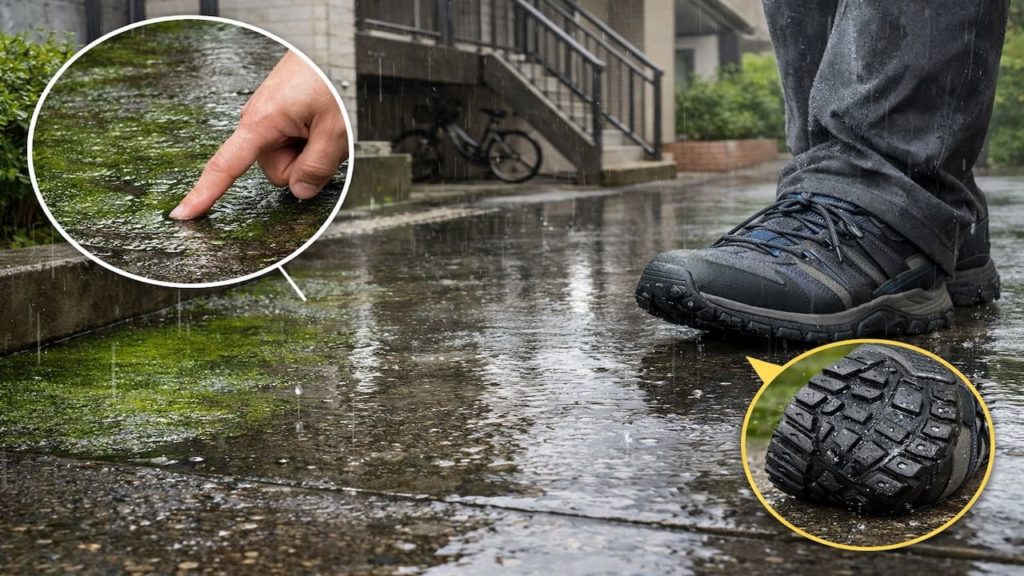
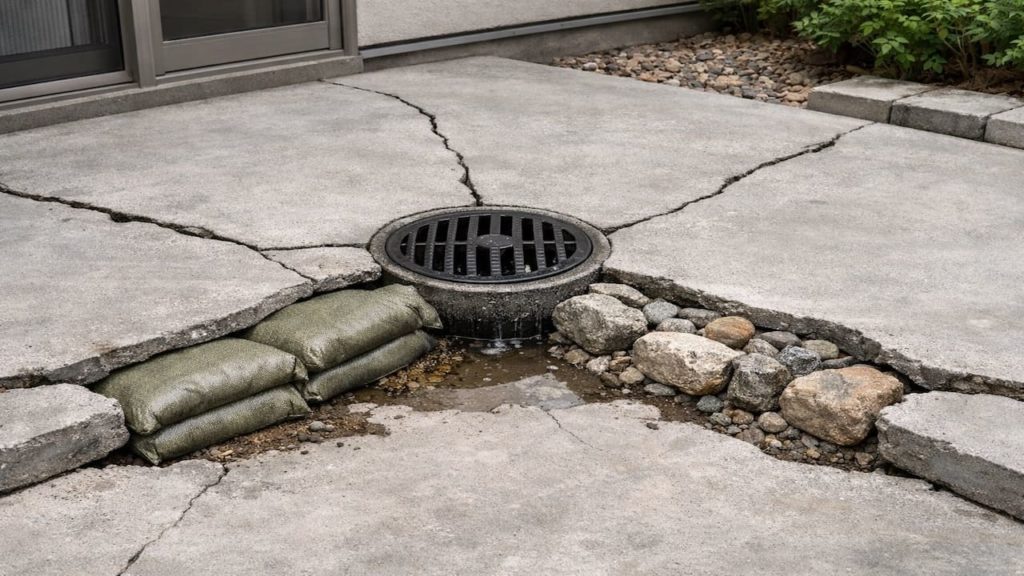
You see stains on concrete and they make the whole space look neglected. You might try one cleaner, then the mark laughs back after it dries.
Concrete stains are not one thing: oil soaks in, rust bonds, and tannins from leaves can dye the surface. In Japan, rainy season damp and shaded entries keep stains “active” longer.
In this guide, you’ll learn 5 concrete stain tips that actually match the mark. You will also learn how oil, rust, and tannin behave over time, so you stop wasting weekends.

Hi, I’m Ken — I’m Japanese, and I live in Malaysia long-term, so I explain everyday life in Japan from a practical ‘from abroad’ perspective.
I hold a building design qualification and I’ve been on site for 20+ years across hundreds of jobs. I turn Japan’s unspoken rules into simple checks, so you can avoid costly mistakes and take the next step with clear actions that feel safe.
1. Pavement stains on concrete 5 tips that remove marks
Pick the method based on stain type not frustration level.
Concrete is porous, so stains can sit on top or soak down into the paste. If you use the wrong method, you may spread the stain or etch the surface. Japan’s wet months keep pores damp, and that can slow drying and make marks look worse. Start with quick identification, then act.
- Test water rinse to see if stain lifts
- Check texture for oily sheen or slick feel
- Look for orange edges that suggest rust
- Spot leaf rings and brown dye tannins
- Try small test patch before full scrub
You might want a single “magic cleaner” for everything. Concrete does not work like that, and the wrong chemical can set stains or damage the finish. Match first, scrub second. That is the whole cheat code.
2. Oil rust tannin and time
Older stains need dwell time not harder scrubbing.
Oil stains sink and bind with dust, so they darken as time passes. Rust stains form when metal and water meet, and they can feel permanent if you only use soap. Tannin stains from leaves and wood can dye pores during wet weather, especially in Japan’s rainy season when leaves sit soaked for days. Time is the hidden ingredient in both directions: it makes stains worse, and it helps cleaners work when you let them sit.
- Blot fresh oil before it spreads deeper
- Let degreaser dwell then scrub lightly
- Use rust remover only on confirmed rust spots
- Lift leaf tannin stains with gentle oxygen cleaner
- Rinse well and dry fully before judging
People scrub like they are sanding wood. That just roughens the surface and makes future stains grab harder. Let chemistry do the work, then use brushing as support. Patience is faster.
3. Why stains stick on concrete in Japan
Moisture keeps pores open and keeps dirt bonding.
Concrete pores hold water, and water carries fine dirt and organics into the surface. In humid seasons, concrete stays damp longer, and damp concrete stains easier because particles stick and sink. Shaded side yards and narrow alleys in Japan also slow drying, so tannins and algae stains have more time to set. Drying time is a big deal.
- Check shade areas where stains set more
- Inspect downspouts that splash onto concrete
- Look for puddles that leave ring stains
- Notice leaf piles that sit wet for days
- Find oil drip zones where cars park
You may blame the concrete mix, but site moisture and habits are usually the real cause. If you fix drainage and reduce leaf sit-time, stains become easier to remove. Less repeat work. Cleaner look.
4. How to remove common stains step by step
Use the lightest method that matches the stain.
Start with dry removal, then soap and brushing, then targeted products only where needed. For most home setups, ¥500–3,000 covers basic supplies like baking soda, a nylon brush, and a small degreaser, depending on what you already have. For safety, never mix bleach with ammonia-based cleaners because toxic gases can form—keep chemicals separate and rinse between steps. According to epa.gov.
- Oil: absorb powder then degrease and rinse
- Rust: apply rust remover then neutral rinse
- Tannin: oxygen cleaner dwell then gentle scrub
- Mud: soak and lift with brush then rinse
- Finish: squeegee runoff so dirt cannot redeposit
You might want to jump straight to acid. That can etch concrete and expose aggregate, and it does not fix oil anyway. Do targeted methods first, and keep acids as last resort for specific mineral issues. Protect the surface.
5. FAQs
Q1. Can I remove stains without pressure washing?
Yes. Many stains respond better to dwell time and brushing than blasting. Pressure washing can push dirty water into pores if you do not rinse and dry properly.
Q2. Why does the stain look gone when wet, then return?
Water darkens the whole surface so contrast disappears. When it dries, the stain shows again unless you actually lifted it out of the pores.
Q3. What is the safest first step for any stain?
Start with a mild cleaner and a small test patch. You learn how the concrete reacts before you scale up. That prevents etching and streaking.
Q4. Are leaf stains permanent?
Not always. Fresh tannin stains often fade with oxygen cleaner and sunlight over time. Old tannin stains may lighten but not vanish completely.
Q5. How do I keep stains from coming back?
Stop the source: fix drips, remove leaves fast, and improve drainage. When concrete dries faster, it stains slower.
Pro's Tough Talk

I’ve spent 20+ years working around Japanese homes, so I’ve seen what tends to work—and what tends to go wrong—in everyday use. In Japan’s rainy season, concrete stains behave like tea on a white shirt: leave it sitting and it becomes your new pattern.
Here is the cold breakdown. Oil sinks and bonds with dust, so you need absorption and degreasing. Rust is chemistry, not “dirt,” so soap alone is a joke. Tannins dye pores when wet leaves sit too long, and the shade slows drying so the dye has time to bite.
Do it now: identify the stain and stop the source. Do it today: apply the right cleaner and give it dwell time. Do it this weekend: improve runoff and stop puddles from feeding marks.
If you keep scrubbing harder you are just sanding your concrete. When the stain lightens and the surface stays smooth, you are doing it right. If it keeps returning, your source is still active.
You know the scene: you scrub for 30 minutes, step back proud, then it dries and the stain is like “hey buddy.” Yeah, welcome.
Summary
Concrete stains need different approaches: oil, rust, and tannin are not the same problem. First identify the mark and do a small test patch.
Older stains need dwell time, and Japan’s damp seasons slow drying so stains set deeper. Use targeted methods, rinse well, and remove runoff so dirt cannot redeposit.
Match the cleaner to the stain and give it time. Then fix the source like drips and wet leaf piles so the marks stop returning.