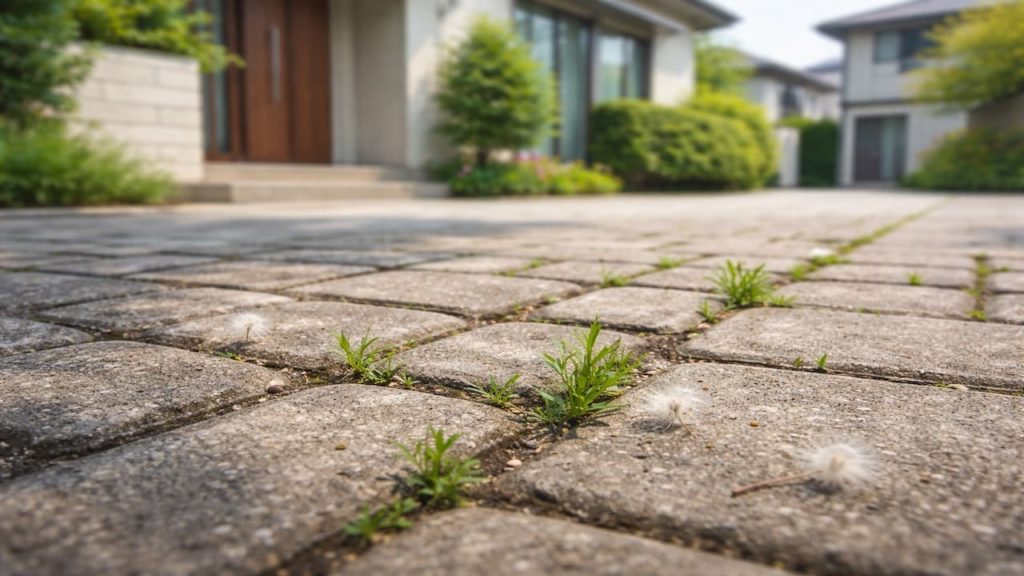
You’re about to move out, and the pavement outside looks like it might cost you trouble. You searched because you want to leave it clean, documented, and drama-free.
Some marks are normal wear, but others look like neglect if you don’t handle them right. In Japan, shared outdoor areas and tight neighbor spacing make small messes feel bigger, especially after rainy season grime.
In this guide, you’ll learn how to prep pavement before move-out with photos, basic cleaning, and a clear report so you don’t get blamed later. You’ll also learn what to skip so you don’t accidentally damage the surface.

Hi, I’m Ken — I’m Japanese, and I live in Malaysia long-term, so I explain everyday life in Japan from a practical ‘from abroad’ perspective.
I hold a building design qualification and I’ve been on site for 20+ years across hundreds of jobs. I turn Japan’s unspoken rules into simple checks, so you can avoid costly mistakes and take the next step with clear actions that feel safe.
1. Pavement before moving out 5 steps
Your goal is proof and basic cleanliness not perfection.
Move-out problems usually come from missing documentation and unclear responsibility, not one tiny stain. In Japanese rentals, outdoor spots can be shared or semi-shared, so you must show what was yours and what wasn’t. Do the steps in order so the “before” is locked in first.
- Photograph wide shots and closeups with timestamps
- Note existing cracks stains and chipped edges
- Sweep debris and remove weeds from seams
- Rinse gently and spot scrub only as needed
- Write a short report and share it clearly
Some people try to “fix everything” the night before and create new damage. That backfires, because fresh scratches and patchy cleaner marks look suspicious. Basic cleaning plus clear proof wins. Calm exit.
2. Photos clean and report
Take photos first then clean then report what you did.
Photos should show context, date, and scale, not just a zoomed stain. Japan’s weather can change the look of surfaces fast, so take both dry and slightly wet shots if possible. Keep the report simple: what you found, what you cleaned, and what you did not touch.
- Use the same angle for every corner shot
- Include a coin or ruler for scale
- Capture drains edges and shared boundary lines
- Clean with mild soap and soft nylon brush
- Send the report with a short polite message
You might think “the landlord knows how it was.” Nope, memory is selective when money is involved. Your photos remove the guessing game. And your report prevents “why is this still dirty” complaints. Simple control.
3. Why pavement issues become deposit fights in rentals
Unclear responsibility turns normal wear into blame.
Outdoor stains can come from trees, neighbors, or building runoff, but it’s hard to prove later. If you leave without notes, the next inspection becomes the “truth” on paper. In Japan, cleaning expectations are often about visible effort and communication, not microscopic perfection.
- Shared areas blur who caused which stain
- Rain hides problems then reveals them later
- Photos missing makes claims hard to argue
- Over-cleaning can create damage and suspicion
- Late communication makes disputes louder quickly
People assume the inspection is fair by default. Sometimes it is, sometimes it isn’t, and either way you still need proof. The point is not to “win a fight,” it is to avoid the fight. That starts with documentation.
4. How to do a safe move-out clean on pavement
Use gentle tools and avoid risky chemicals or pressure.
Start dry: sweep, pull weeds, and remove stuck debris, then rinse lightly and spot scrub. For basic supplies like mild detergent, a nylon brush, and a small scraper, expect about ¥500–1,500, and cost is mostly time/effort. In Japanese apartments, keep noise low and avoid splashing dirty water onto neighbors’ doors or balconies.
- Sweep first so you do not grind grit
- Pre-wet surface then scrub small stain spots
- Avoid acids bleach and wire brushes entirely
- Rinse well and push dirty water to the drain
- Let it dry then retake final photos
You might want to rent a pressure washer to feel “professional.” That can strip joint sand, scar the surface, and create a brand-new issue. Gentle cleaning is safer and easier to explain. If a stain won’t move, document it and report it.
5. FAQs
Q1. Do I need to remove every stain before move-out?
No, focus on basic cleanliness and documentation. If a stain is clearly old or structural, show it in photos and note it in your report.
Q2. What photos matter most?
Wide shots that show the whole area, plus closeups of any cracks, stains, and edges. Include something for scale and keep angles consistent.
Q3. Should I repair cracks or patch joints myself?
No DIY patching right before move-out. Fresh repairs can look like you caused damage, and a bad patch can create a bigger complaint.
Q4. What if the pavement is shared with neighbors?
Then you must photograph boundaries and note what is shared. Also avoid cleaning methods that splash or push debris into their area.
Q5. When should I contact the landlord or management?
If you find new damage, drainage problems, or anything that looks structural, message early. Early reporting looks honest and prevents surprise accusations.
Pro's Tough Talk

I’ve spent 20+ years working around Japanese homes, so I’ve seen what tends to work—and what tends to go wrong—in everyday use. Move-out is not a cleaning contest, it’s a proof contest, and proof wins every time.
Here’s the brutal truth: inspections happen fast, and whoever writes the note controls the story. If you leave no photos, the story becomes whatever someone feels that day. And if you go crazy with harsh cleaning, you can literally manufacture “new damage” with your own hands.
Take the photos now. Do the gentle clean today and stop once it looks normal. Write the short report this weekend and send it before keys go back.
If there is a stain you cannot remove without aggressive tools, then stop and document it, because damage costs more than dirt. If you see cracks growing or sinking, report it as structural and do not touch it.
Try to “save ¥0” by doing a heroic last-minute repair, and you might pay tuition in deposit money.
Summary
Before moving out, lock in proof first, then do a safe basic clean that cannot backfire. Photos, gentle cleaning, and clear notes prevent most deposit drama.
If something won’t clean without risky chemicals or pressure, document it and report it instead of forcing it. If the issue looks structural, report early and keep your hands off.
Take photos today then do a calm clean so the final inspection stays boring. After that, send a short report and move on with your life.