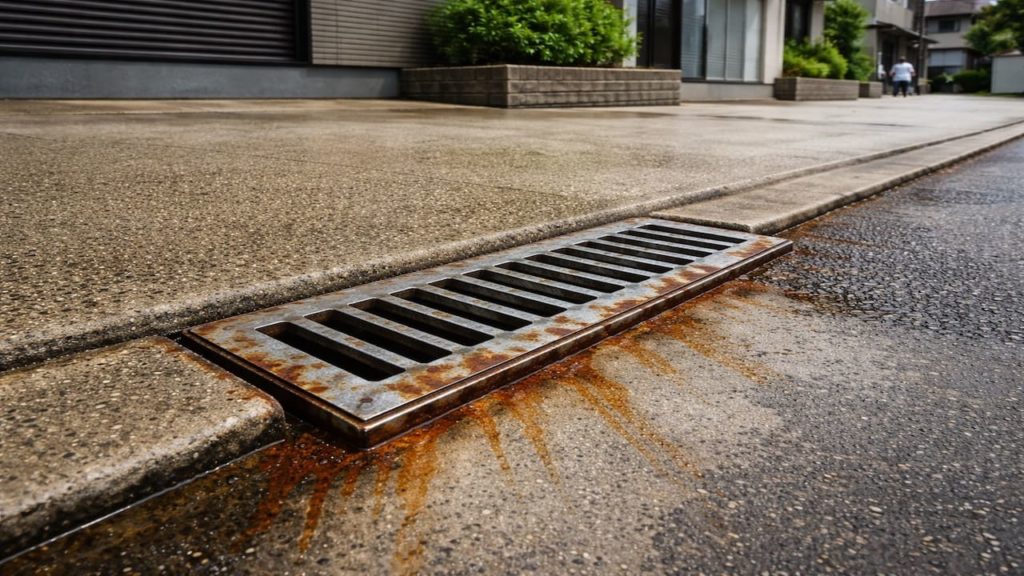
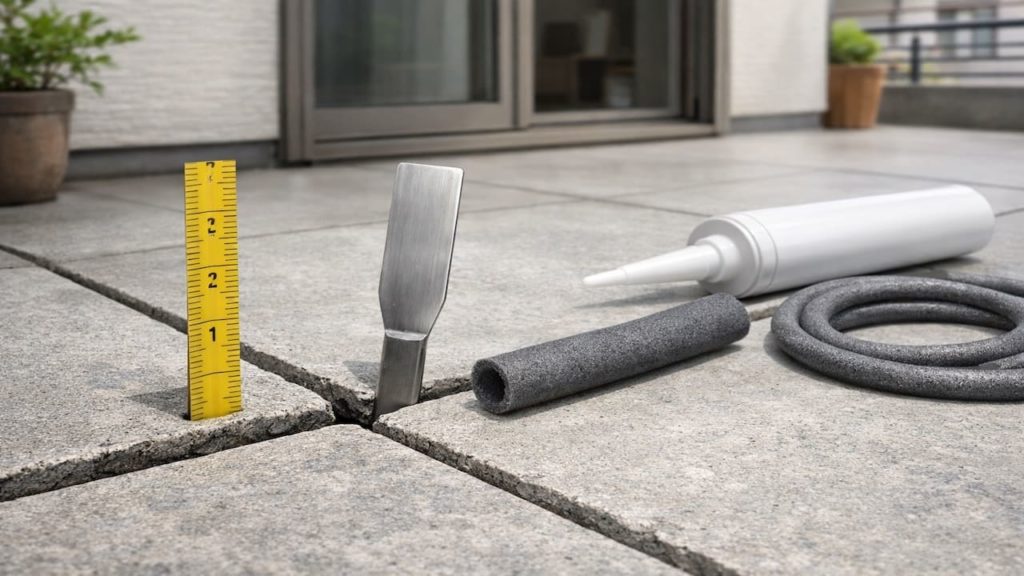
You walk the path and catch your toe on a raised edge, like the pavement is trying to bite you. One stumble is enough to make you avoid that spot every day.
Raised edges can come from lifting stones, washed-out base, or tiny gaps that let pieces wobble and climb. In Japan, heavy rain, freeze-thaw, and tight drainage lines can shift small pavement faster than you expect.
In this guide, you’ll learn how to spot why edges are raised and what makes them dangerous. You’ll check lift, gaps, and wobble so you know whether to reset, fill, or rebuild.

Hi, I’m Ken — I’m Japanese, and I live in Malaysia long-term, so I explain everyday life in Japan from a practical ‘from abroad’ perspective.
I hold a building design qualification and I’ve been on site for 20+ years across hundreds of jobs. I turn Japan’s unspoken rules into simple checks, so you can avoid costly mistakes and take the next step with clear actions that feel safe.
1. Pavement trip hazards on raised edges 5 checks
Trip hazards come from height change not just cracks.
A small lip becomes a big risk when it sits right on your walking line, especially near steps or the genkan approach. Many raised edges look “fine” until you approach at night or with groceries. In Japan, narrow outdoor paths often force one fixed foot line, so a single lifted corner gets hit daily. Same mistake, same stumble.
- Measure the lip height with a coin stack
- Check if toe catches on your normal stride
- Look for raised corners at joints and seams
- Test movement by stepping on each edge
- Inspect after rain for puddles near the lip
You might think the fix is just filling the gap on top. If the piece is moving or lifting, filler becomes a temporary bandage and cracks again. First decide if it is stable or still shifting.
2. Lift gaps and wobble
Lift plus a hollow gap usually means the base failed.
If you can see daylight under an edge, the support is gone and the piece is acting like a lever. Wobble means the load is not spreading evenly, so each step makes the lift worse. In Japan’s rainy season, fine sand washes out through joints, then the edge pops up. Small void, big lip.
- Slide a thin stick under the raised edge
- Tap and listen for hollow sound underneath
- Step on opposite corners and feel rocking
- Check joint sand loss and open seams
- Find runoff lines that cross the joint
Some lifts are from root pressure, not just washout. If the lift is gradual and centered, suspect roots or heave. If it is sharp at one corner with wobble, suspect base loss and joint washout.
3. Why raised edges happen on small pavements
Water migration and uneven support create the lift.
Pavers and stones rely on a flat, compacted bed, but the bed changes when water keeps moving through it. Sand migrates out, subsoil compresses, and the piece tilts upward where support disappears. In Japan, winter freeze-thaw can heave weak spots, and summer rain can wash out joint sand, so you get lift in both seasons. Two-way damage.
- Joint sand washes out and leaves voids
- Subsoil settles under repeated foot traffic
- Freeze thaw heaves weak damp base pockets
- Roots push upward under tight path edges
- Poor slope holds water and softens the bed
You may think it is “normal aging” and ignore it. But trip hazards get worse because every step acts like a pry bar on a loose edge. Fixing it early is cheaper than fixing an ankle, and that part is not even a joke.
4. How to fix raised edges and reduce trip risk
Stabilize the base first then lock the edges in.
Block the area, pull the loose piece, and rebuild the bed in thin compacted layers, then reset level with a straight board. If the lift is small and stable, you can sometimes re-seat it by adjusting joint sand and edge packing. Basic tools and materials usually cost around ¥1,000–5,000 for sand, a small tamper, and joint filler depending on what you already have. In Japan, do the noisy tapping at reasonable hours because sound travels in tight housing rows.
- Lift the loose piece and clear wet sand
- Rebuild base in thin layers and tamp firm
- Reset level and check both directions
- Fill joints and edge pack to stop movement
- Adjust slope so water does not sit there
You might try to just grind the raised edge down. That can hide the lip but it does not stop movement, so it returns and looks worse. If roots are the driver, trimming or adding a root barrier may be needed. If base failure is the driver, resetting the bed is the real cure.
5. FAQs
Q1. How high is “too high” for a trip hazard?
Even a small lip can trip you if it sits on your walking line, especially at night. If your toe catches once, treat it as too high and fix it.
Q2. Is wobble always a sign I must rebuild the base?
Most of the time yes, because wobble means uneven support underneath. Quick joint filling rarely stops wobble for long.
Q3. Can I just fill the gap with mortar?
You can, but it often cracks if the piece still moves or the base is soft. Fixing movement matters more than sealing the gap.
Q4. How do I tell if roots are causing the lift?
Root lift usually creates a broad, gradual hump, not one sharp corner pop. Look for nearby shrubs or trees and a consistent lift direction.
Q5. When should I call a pro instead of DIY?
If the area is large, keeps lifting every month, or sits at a main entry step, get help. If you suspect roots or drainage issues, pros can solve the cause faster.
Pro's Tough Talk

I’ve spent 20+ years working around Japanese homes, so I’ve seen what tends to work—and what tends to go wrong—in everyday use. A raised edge is the kind of “small” problem that turns into a real injury during a rainy season night walk.
Three brutal causes: your base lost support, your joints let sand escape, or something underneath is pushing up. The pavement is like a loose tooth that wiggles more every time you touch it, and water is the thief stealing your support grain by grain. And yeah, your daily foot path keeps hammering the same spot.
Mark the hazard and slow traffic right now.
Today, test wobble and check for hollow gaps.
This weekend, reset the base and lock joints tight.
If you can slide a stick under the edge it is not stable. If it still lifts after a proper reset, you have a water path or root issue, so you fix the cause, not the symptom. No shame, just the next step.
You’re carrying groceries, you catch your toe, and you do that fake “I meant to dance” shuffle. Yeah. Keep laughing, but fix it before the pavement upgrades itself into a full-time ankle trap.
Summary
Use five checks to confirm height change, wobble, and base gaps, because trip hazards are about movement and lift. One raised corner in the walking line is enough to cause a fall.
Fix the base first, then lock joints and adjust slope so water cannot keep weakening support. If roots or drainage keep pushing it up, address that cause instead of repeating fillers.
Mark one hazard today and stabilize it this weekend. Once you fix the worst lip, you can walk the path and spot the next weak edge fast.