You got pergola quotes and they all look “similar,” but the prices feel like different planets. You don’t want to get played, you just want a fair build.
Some gaps are real, like stronger materials or better roof options. Japan’s tight lots and rainy season details also change labor and hardware more than people expect.
In this guide, you’ll learn how to compare pergola quotes without missing the expensive traps. You’ll check materials, roof options, and warranty so the final bill does not surprise you.

Hi, I’m Ken — I’m Japanese, and I live in Malaysia long-term, so I explain everyday life in Japan from a practical ‘from abroad’ perspective.
I hold a building design qualification and I’ve been on site for 20+ years across hundreds of jobs. I turn Japan’s unspoken rules into simple checks, so you can avoid costly mistakes and take the next step with clear actions that feel safe.
1. Pergola quote comparison: 5 checks
Compare quotes by risk points not by total price.
The cheapest quote often hides risk in vague line items—then you pay later when “extras” appear. The most expensive quote can also be padded with options you do not need. In Japan, narrow access paths and neighbor rules make small site differences matter, so you need the same scope across bidders. Clean comparison beats guesswork.
- Match scope lines so quotes compare fairly
- Confirm what is excluded in plain words
- Check install method not just product name
- Ask who handles cleanup and waste hauling
- Verify timeline and weather delay policy details
You might think “price is price,” but scope is the real battlefield. If one quote includes footings and the other does not, the low one is fake cheap. Lock the scope, then judge value, then choose like an adult.
2. Materials roof options and warranty
Materials and warranty terms explain most of the price gap.
Aluminum vs wood, coated steel vs bare hardware, and roof type are not small choices—each changes maintenance and lifespan. Roof options also change noise, heat, and drainage, which matters in Japan’s humid summers and heavy rain bursts. Warranty language can quietly limit what “covered” means, so read it like a contract, not a brochure. Warranty terms can include coverage limits and service charges. According to th-ccc.apps.lixil.com.
- Confirm frame material grade and coating thickness
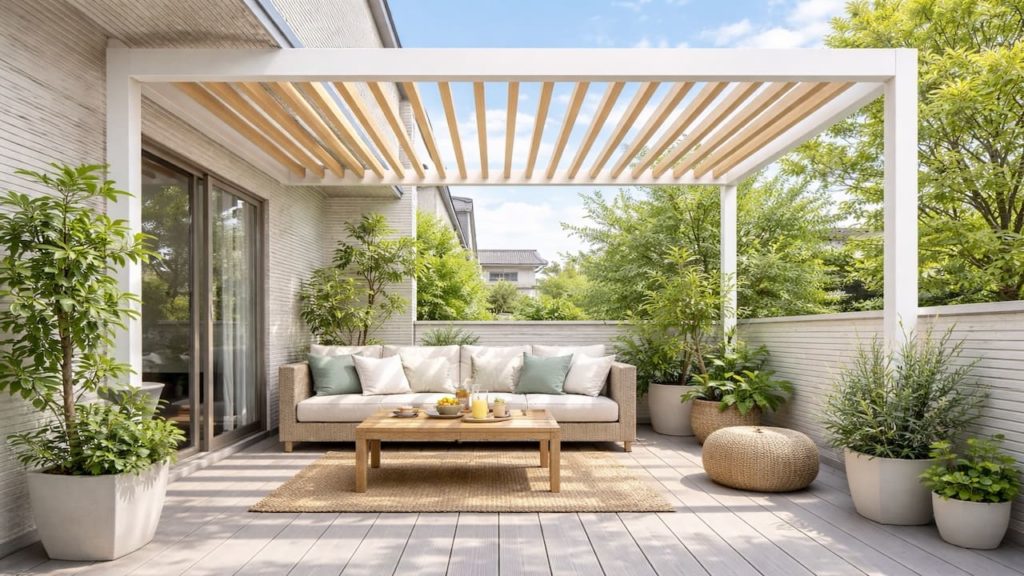
- Ask roof panel type and heat behavior
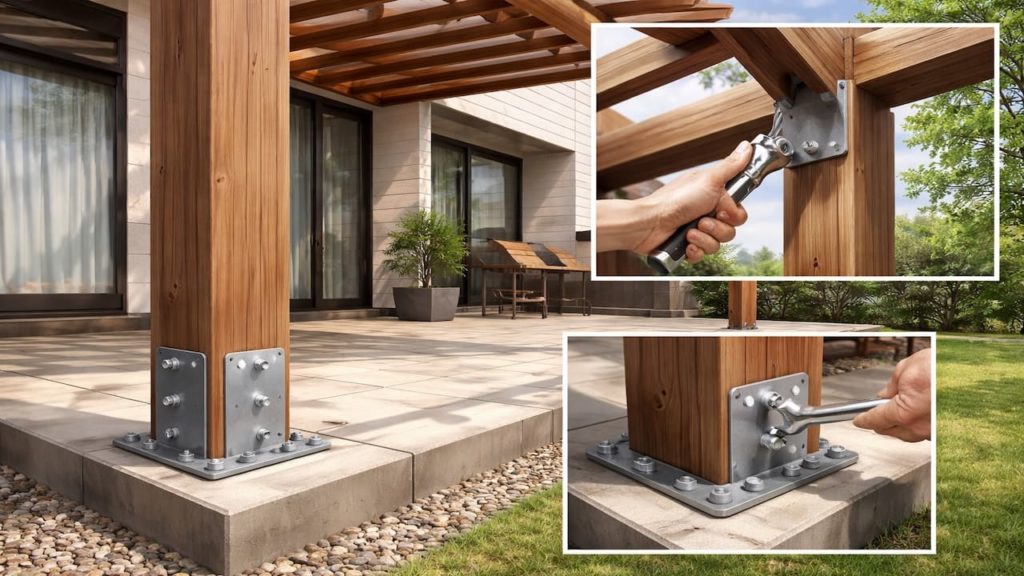
- Check fastener material and corrosion resistance rating
- Read warranty exclusions for weather and corrosion
- Verify who pays labor for warranty claims
Some people treat warranty like a safety net, then get angry later. A warranty is rules on paper, not a promise vibe. Pick materials you can live with, then use warranty as a bonus, not the plan.
3. Why pergola quotes differ so much in Japan
Site access and “hidden labor” drive bigger gaps than you think.
Two pergolas can be the same size but take totally different effort to install. Tight side yards, stairs, and narrow gates slow everything down, and that labor shows up somewhere. Rainy season also forces more protection steps, like keeping holes dry and managing wet soil, so builders price in risk. Reality tax.
- Delivery access changes labor and carrying distance
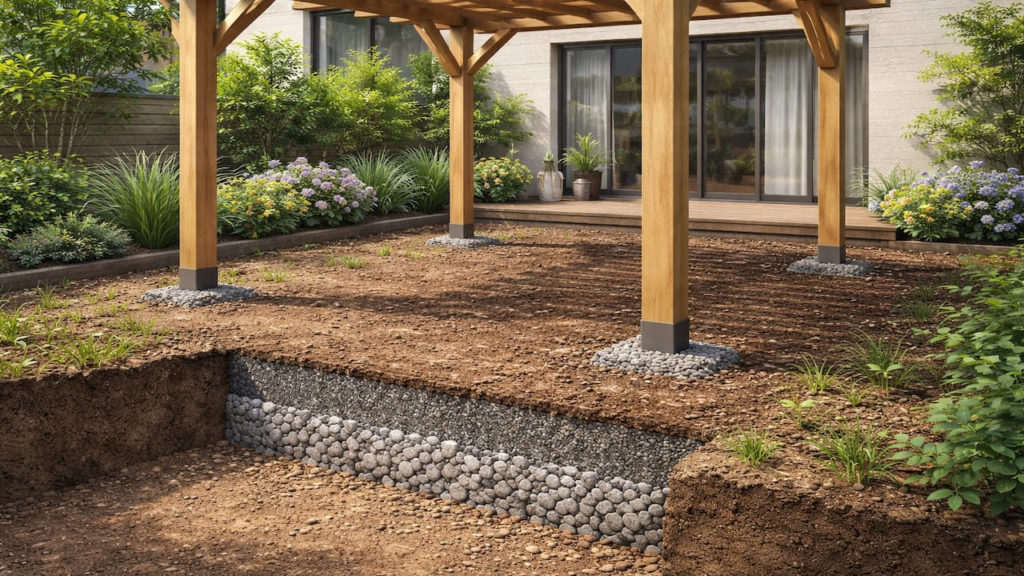
- Soil and drainage decide footing difficulty level
- Neighbor proximity adds noise and timing constraints
- Existing concrete needs cutting and core drilling
- Wind exposure requires extra bracing and anchors
You might think a contractor is “overcharging,” but sometimes they are pricing the hassle honestly. The fix is not rage, it’s clarity. Make every bidder price the same site conditions and the gap shrinks fast.
4. How to compare pergola quotes and avoid surprises
Force every quote to answer the same five questions.
Ask for a scope sheet that names materials, roof option, footing plan, anchor method, and warranty handling, all in plain language. If you need add-ons like better anchors, anti-noise pads, or small drainage tweaks, budget ¥5,000–30,000 for common option upgrades and hardware—then you can compare without panic. In Japan, some structures may require a building confirmation application before construction starts depending on conditions, so ask early and put it in writing. According to japaneselawtranslation.go.jp.
- Request a written scope sheet for every bidder
- Make them list roof option and drainage plan
- Confirm footing size and rebar or anchor method
- Ask how changes are priced and approved
- Get warranty claim steps and labor responsibility
You might feel annoying asking all this, but you are buying clarity, not vibes. Good contractors answer cleanly and quickly. If someone dodges or stays vague, that is your loudest data point—walk away.
5. FAQs
Q1. Should I always pick the middle price?
No, pick the quote with the clearest scope and the least hidden risk. Middle price can still be vague, and vague is where your money disappears.
Q2. Is a longer warranty always better?
No a clear warranty is better than a long one. If exclusions and labor costs are fuzzy, the warranty is mostly marketing.
Q3. What line item usually hides surprise costs?
Site prep and footing work, especially when soil is wet or access is tight. Also watch “miscellaneous hardware” when it is not specified.
Q4. How do I compare roof options quickly?
Ask about heat, noise, and drainage behavior in your season. One roof can sound fine in calm weather—then drum in storms.
Q5. What is one red flag that should end the quote?
If they will not put exclusions and change pricing in writing, stop. You cannot compare what they refuse to define.
Pro's Tough Talk

I’ve spent 20+ years working around Japanese homes, so I’ve seen what tends to work—and what tends to go wrong—in everyday use. Quotes look clean because messy details are hiding behind the paper.
Here’s the cold truth: one quote is cheap because scope is missing, one is high because they padded options, and one is honest but still confusing. You’re not dumb, the system is just built to reward vagueness. During tsuyu, small drainage and access problems turn into real labor, and labor is where money bleeds out.
Right now: circle every vague line item and write a question next to it. Today: make every bidder answer the same five checks. This weekend: pick the contractor who explains without dodging.
If they cannot explain scope clearly the warranty will not save you. If you did all this and the quotes still vary wildly, the next move is a site walk with the top two and a written scope match.
It’s like buying sushi by “fish vibes” instead of the menu. One scene: you agree fast, then the “extra footing” bill lands and your stomach drops. Another scene: you chase the cheapest quote and end up paying twice to fix it later.
Summary
Compare pergola quotes by scope and risk points, not the final number. Check materials, roof options, anchors, and warranty handling the same way every time.
If anything is vague, force it into writing and match scopes across bidders—then price gaps start making sense. If they dodge, you already got your answer.
Use the five checks today and choose the quote that stays clear. Then keep reading related install and maintenance topics so you do not get surprised later.