If you are prepping a tatami room for guests, the stress is real.
In Japan, a room can look clean yet still feel dusty, damp, or a bit stale, especially after tsuyu humidity or winter heater dryness.
In this guide, you'll learn how to prep a tatami guest room fast without over-cleaning so it feels welcoming, calm, and easy to sleep in.

Hi, I’m Ken — I’m Japanese, and I live in Malaysia long-term, so I explain everyday life in Japan from a practical ‘from abroad’ perspective.
I hold a building design qualification and I’ve been on site for 20+ years across hundreds of jobs. I turn Japan’s unspoken rules into simple checks, so you can avoid costly mistakes and take the next step with clear actions that feel safe.
1. Tatami guest room prep: 5 tips
Focus on touch points and airflow first.
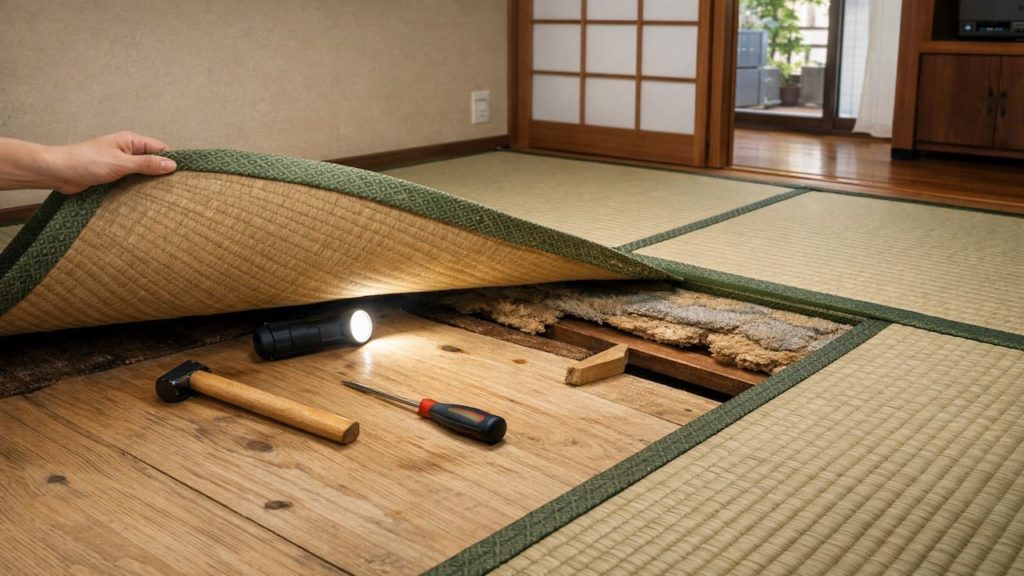
Guests notice smell, dust on cushions, and the feel under socks more than tiny color changes. Tatami holds fine grit in the weave, so a gentle dry reset works better than aggressive wiping. In Japan's humid months, too much moisture during cleaning can backfire and make the room feel heavier. Guest comfort.
Vacuuming along the tatami grain is a basic care step that helps protect fibers. According to Source.
- Vacuum along grain with low suction setting
- Air the room for 10 minutes before guests
- Shake zabuton covers outside to drop dust
- Wipe table surfaces using dry microfiber cloth
- Clear walking lane so guests move smoothly
You might want to scrub the whole mat to feel done — that usually creates fuzz and uneven patches that look worse in daylight. A light dry reset makes the room feel fresh with less risk. Save wet wiping for true spills only. Simple prep.
2. Make it welcoming without over-cleaning
Make the room feel dry bright and soft.
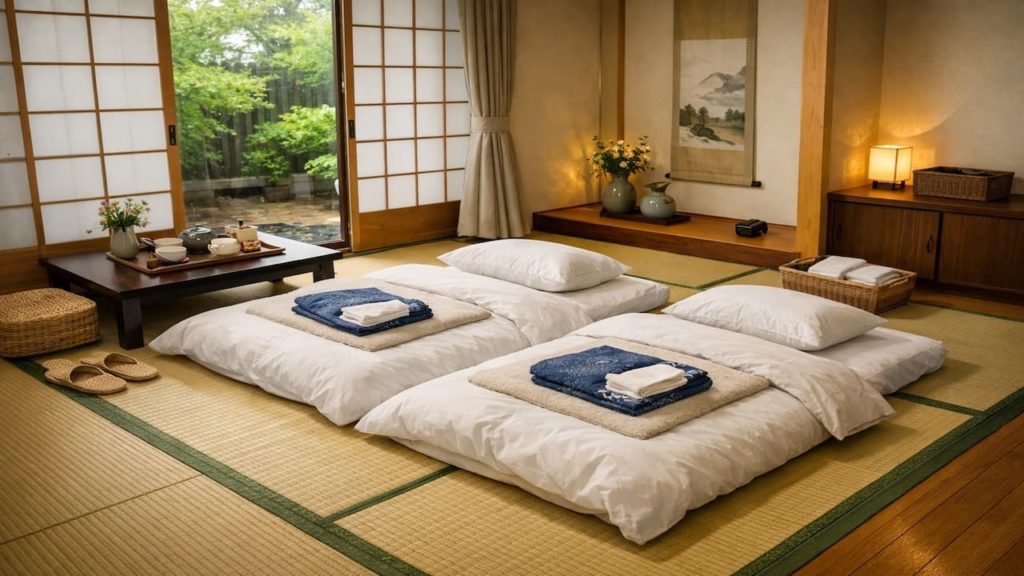
Welcoming means the air feels light and the bedding feels clean, not that every fiber is washed. In small Japan homes, a packed closet or futon stored damp can push odor into the room even after cleaning. Aim for a stable humidity feel, then add small comfort signals like space to put a bag. Calm room.
Keeping indoor humidity controlled helps reduce mold and mite problems in living spaces. According to Source.
- Open closet doors briefly to release damp air
- Stand futon upright for 30 minutes airing
- Place clean towel set where guests can see
- Set a small tray for keys and phone
- Check lighting so corners do not feel gloomy
You may feel you need fragrance sprays to impress people, but they often trap dust and create a mixed smell. If the room is dry and ventilated, tatami has its own clean scent. Let that be the welcome. Less effort.
3. Why tatami guest rooms feel off to visitors
Guests react to air quality more than visuals.
Even if you live with a room daily, a visitor notices changes fast because their nose is not used to it. In tsuyu, trapped humidity makes tatami smell stronger and makes dust cling to fabric. In winter heating, dryness increases static and lifts fine dust into the air. First impression.
- Check for musty smell when sliding doors open
- Check corners near walls for gritty dust lines
- Check under low table for crumbs and hair
- Check futon storage for cool damp feeling
- Check window side for condensation and stale air
You might assume a guest will not notice small issues, but a dry cough or itchy nose says otherwise. Fixing air and dust sources makes the room feel cleaner than heavy cleaning ever will. Comfort wins. Quiet air.
4. How to prep a tatami guest room in 30 minutes
Do a dry reset then a comfort reset.
Start with airflow, then remove grit, then set the guest cues in place so the room feels intentional. If you already have a vacuum, clean covers, and a cloth, cost is mostly time/effort. Work top down so dust falls once, not five times. Fast routine.
- Vent the room then run fan outward
- Vacuum the traffic lane along the grain
- Vacuum edges and seams using slow passes
- Change covers and air futon before laying
- Place water cup and bin near seating spot
You may worry this is too light to be real cleaning, but guests feel freshness through dryness and order. If a stain exists, spot clean only that area and dry it fully. Avoid soaking the mat before someone sleeps there. Keep it simple.
5. FAQs
Q1. Should I wipe tatami with a damp towel before guests arrive?
Use dry cleaning unless there is a real stain. A damp wipe can leave moisture in tsuyu, so vacuum first and air the room for a cleaner feel.
Q2. How do I remove food crumbs fast in a guest tatami room?
Vacuum seams and corners, not only the center. Crumbs hide under low tables and along walls, so hit those lanes first.
Q3. Can I use deodorizer sprays on tatami for a nice smell?
Skip heavy sprays — they can leave residue that catches dust. If you want freshness, focus on airflow and clean fabric like covers and towels.
Q4. What is the fastest way to reduce musty closet air?
Open the closet and stand bedding upright, then run a fan to move air out. The smell often drops when trapped humidity has an exit.
Q5. What if guests are sensitive to dust or allergies?
Vacuum slowly with low suction and wash soft items like covers. Keep the room dry and avoid fragrances that can irritate noses.
Pro's Tough Talk

I’ve been on site for 20+ years. I’ve worked on hundreds of jobs. Japan’s humid tsuyu season turns a “fine” tatami room into a damp box if you slack.
Three causes. One, you chase perfection and wet-wipe the whole mat. Two, you ignore the closet and the futon, so smell leaks back. Three, you clean the center and leave edges like a dust buffet.
Three steps. Vent first and push air out with a fan. Vacuum the lanes and seams slow. Air the futon, then set towels and a tray so guests feel cared for.
Guests remember comfort not shine. Treat tatami like a woven sponge that likes dry air, not like a kitchen floor you can drown and scrub.
Come on.
You know the scene: you panic-clean at midnight, then lay the futon down on a still-damp mat. Another scene: you spray a sweet scent, and it mixes with musty air into something weird. Congrats, you made a perfume called Stress.
Summary
Guest room prep for tatami is mostly about dry dust control, airflow, and a clean bedding setup, not aggressive wiping.
If the room still feels off, check closets, futon storage, and corners where dust and humidity hide, especially in tsuyu and winter heating season.
Do a dry reset plus a comfort reset today and your tatami room will feel welcoming without over-cleaning.