You step on the tatami and it squeaks like a cheap toy.
It can be dust under the mat, a slightly uneven base, or seasonal movement in Japan’s humid summers and dry winters.
In this guide, you’ll learn how to find the squeak and quiet it fast with checks and small fixes that avoid ripping up the whole room.

Hi, I’m Ken — I’m Japanese, and I live in Malaysia long-term, so I explain everyday life in Japan from a practical ‘from abroad’ perspective.
I hold a building design qualification and I’ve been on site for 20+ years across hundreds of jobs. I turn Japan’s unspoken rules into simple checks, so you can avoid costly mistakes and take the next step with clear actions that feel safe.
1. Tatami underlay issues: 5 checks
Find the exact contact point before you touch anything.
Squeaks usually come from friction, not magic. Grit under the mat, a low spot in the base, or a tight edge rubbing on wood can all chirp when you step. Seasonal movement. In Japan, humidity swings can make materials expand and shrink, so the noise can “appear” overnight. If the core feels soft and the floor feels like it floats, the base may be worn and creaking can be a sign of damage. According to Source.
- Walk the room and mark squeak spots
- Press tatami edges and feel for movement
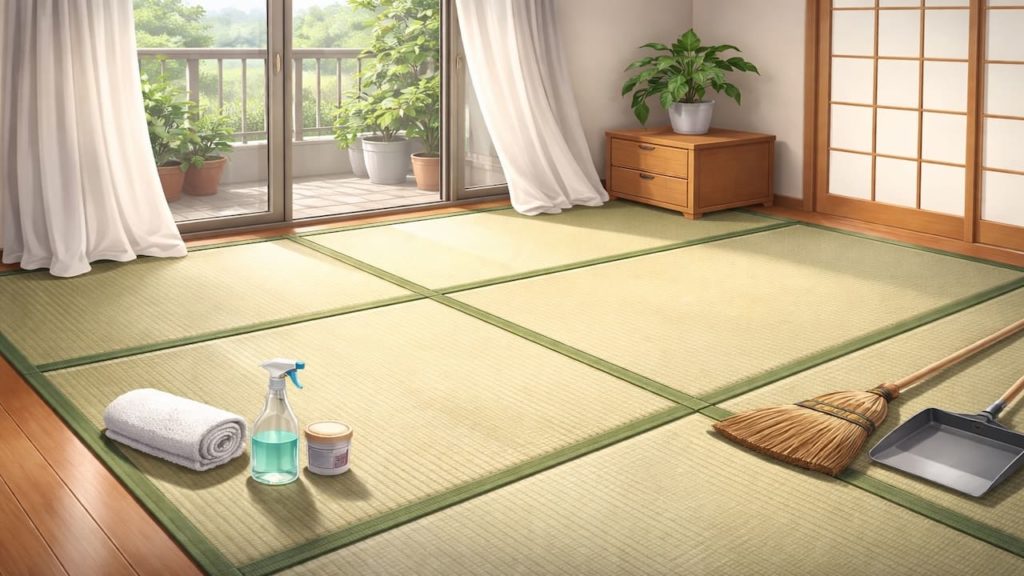
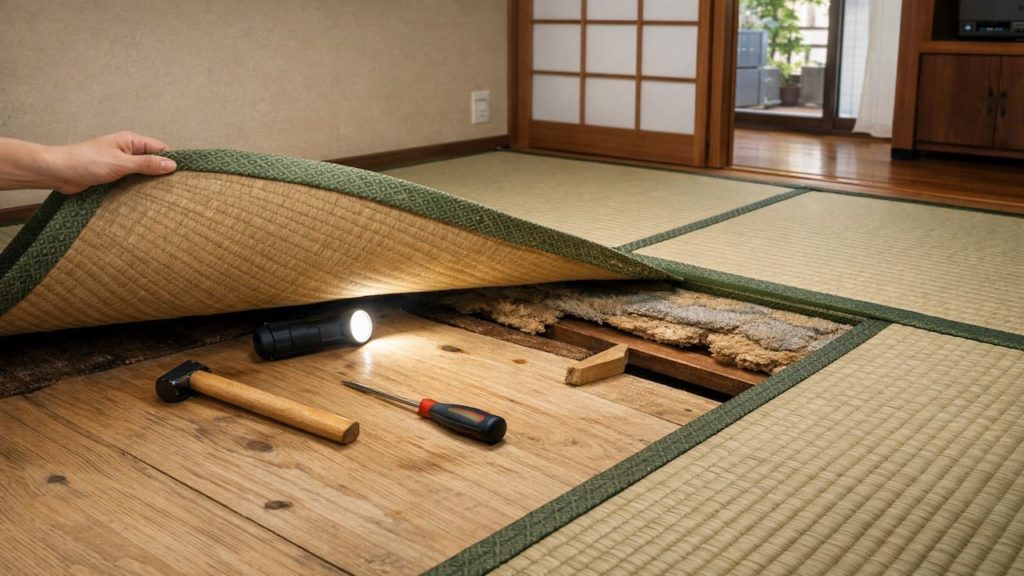
- Lift one corner and check dust buildup
- Look for gaps where mats touch each other
- Check corners near heaters in dry winter air
You might guess the squeak is “the floor” and give up. But most tatami squeaks are local, and the fix is usually local too—one corner, one seam, one edge. Do the checks first so you do not create new gaps. Quiet starts with accuracy.
2. Fix squeaks without tearing everything up
Remove grit and add tiny padding where it rubs.
You do not need a full renovation to calm one squeaky lane. Small rooms. Most of the time, the squeak is grit acting like sandpaper, or an edge rubbing because the underlay is slightly uneven. Quick resets work best in Japan’s rainy season when moisture returns fast. If the mat has lost bounce and feels dead, replacement may be the only honest fix. According to Source.
- Add thin felt pads under the noisy edge
- Slide paper shims into low spots gently
- Vacuum the base and wipe the floor dry
- Rotate mats to balance sun and foot traffic
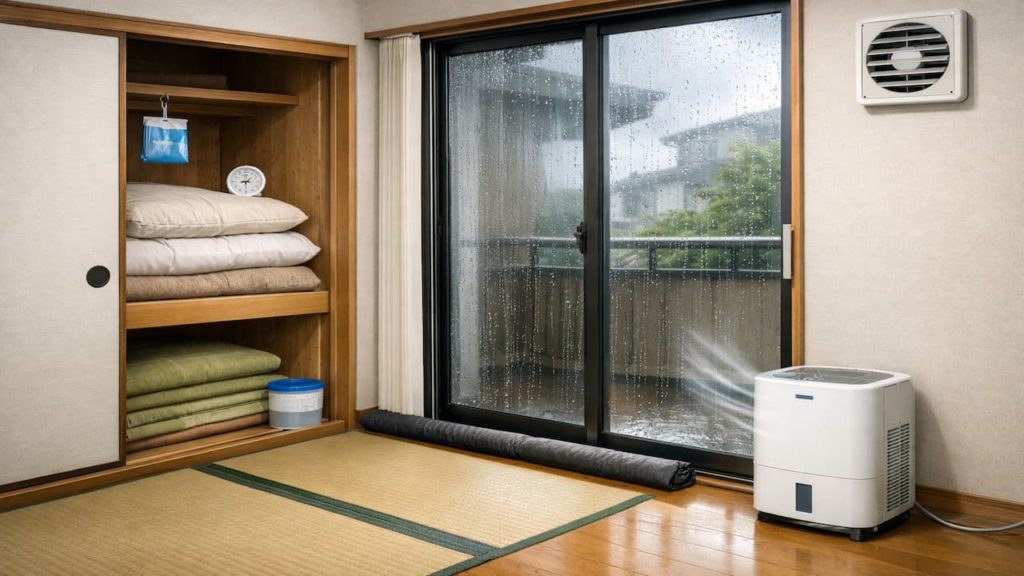
- Keep humidity steady with short daily ventilation
You may worry padding will make the mat “float.” It will, if you overdo it. Use the thinnest layer that stops friction, then recheck the feel with slow steps. One small pad beats one big lift. Keep it subtle.
3. Why do tatami floors squeak underfoot?
Squeaks happen when two surfaces rub with pressure.
Tatami sits on a base, and tiny movement creates sound when grit or wood contact is involved. Friction noise. In humid summer, the mat can swell slightly; in dry winter, it can shrink and loosen, changing contact points. Your foot becomes the clamp that makes the noise repeat. That is why the squeak can move when you move the mat.
- Notice squeaks after rain then after dry days
- Check if noise moves when you rotate tatami
- Listen for creaks near thresholds and seams
- Test with socks versus slippers for friction
- Inspect tatami core for soft floating feel
Some people blame the weave on top, but the top is rarely the squeak source. The problem is usually under the mat, or at the edges where it meets wood—especially in compact Japanese apartments. Identify the rubbing pair, then treat that pair. Simple logic.
4. How to quiet tatami squeaks in one afternoon
Lift only what you need and fix the contact line.
Do this on a dry day if you can, because Japan’s damp air makes everything slower to settle. Short job. If you need basic supplies, plan ¥100–500 for felt pads or paper shims. Keep water minimal and skip oily sprays. The goal is a clean, even seat and less friction.
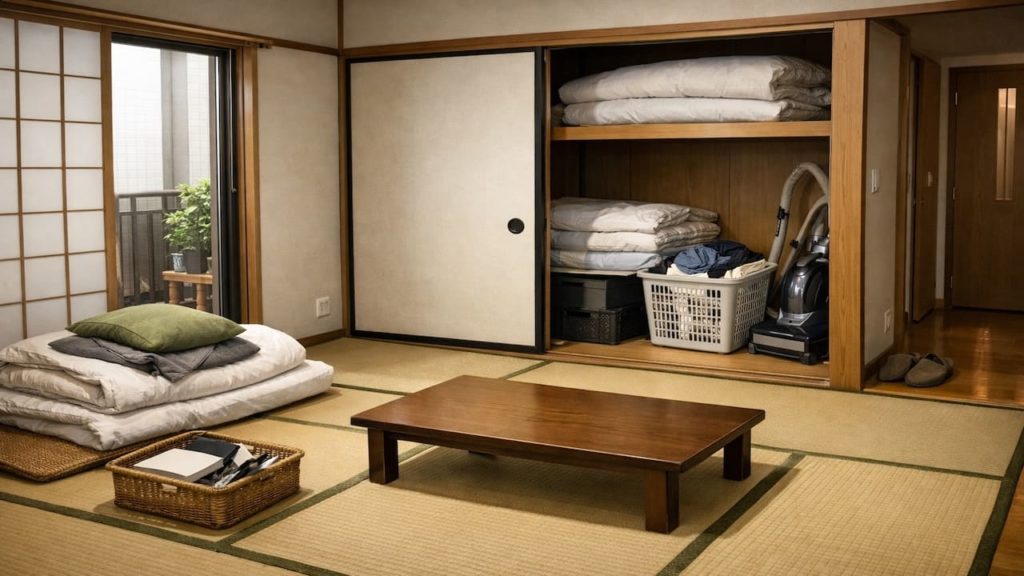
- Clear the room and lift mats carefully
- Clean the subfloor and remove gritty particles
- Pad low edges with felt or paper strips
- Set mats back tight and align borders
- Ventilate for 10 minutes to stabilize moisture
You might want to “fix it forever” by forcing thick padding everywhere. That usually creates rocking and new noise. Do the smallest correction, then walk the line again and listen—one controlled adjustment at a time. If the squeak stays with a soft, floating feel, stop and consider the base. No hero moves.
5. FAQs
Q1. How do I tell if the squeak is tatami or the subfloor?
If the noise moves when the mat moves it is tatami contact. Mark the squeak, rotate that mat, and test again. If the squeak stays in the same spot, the subfloor or frame is more likely.
Q2. Is it safe to lift tatami mats by myself?
Most mats can be lifted one at a time if you clear the area and keep your back straight. Lift from an edge and avoid bending the corners. If the mat feels stuck, do not pry hard.
Q3. Can I sprinkle powder to stop the squeak?
Powder can reduce friction, but it also attracts dust and can dirty tatami seams. Try cleaning and thin padding first. If you use powder, keep it minimal and vacuum well later.
Q4. Will a rug solve squeaks on tatami?
A rug can hide the sound by changing pressure, but it can trap moisture in Japan’s humid months. If you use one, lift it often and ventilate. Treat the cause first so you do not babysit it.
Q5. When should I stop DIY and call a pro?
If the floor feels soft, bouncy, or “floating” across a wide area, the base may be worn. Also stop if you smell dampness or see dark staining near edges. A quick inspection can save the mat.
Pro's Tough Talk

I’ve been on site for 20+ years. I’ve worked on hundreds of jobs. In Japan, rainy humidity and winter dryness make floors move, and tatami complains fast.
Three causes, no romance. One, gritty dust under the mat turns every step into sandpaper. Two, the underlay is slightly uneven, so an edge rubs like two chopsticks. Three, the core is tired, and it creaks because it lost its bounce.
Do it in this order. First, find the squeak lane and stop guessing. Second, lift only that mat and clean the base like you mean it. Third, pad the contact line with a thin strip and set it back tight.
Fix the friction and the squeak shuts up. Tatami is a drum skin, and your foot is the drummer. The underlay is a tiny pebble in your shoe, annoying until you remove it.
Yeah, keep stomping and hoping.
Summary
Mark the squeak, then check edges, seams, and grit under the mat. Most noises are local, not a full-room problem.
If the squeak moves when you rotate the tatami, treat contact and dust first. If the floor feels soft and floating, consider base wear.
Clean the underlay line and add thin padding so your tatami stays quiet while your room stays comfortable through every season.