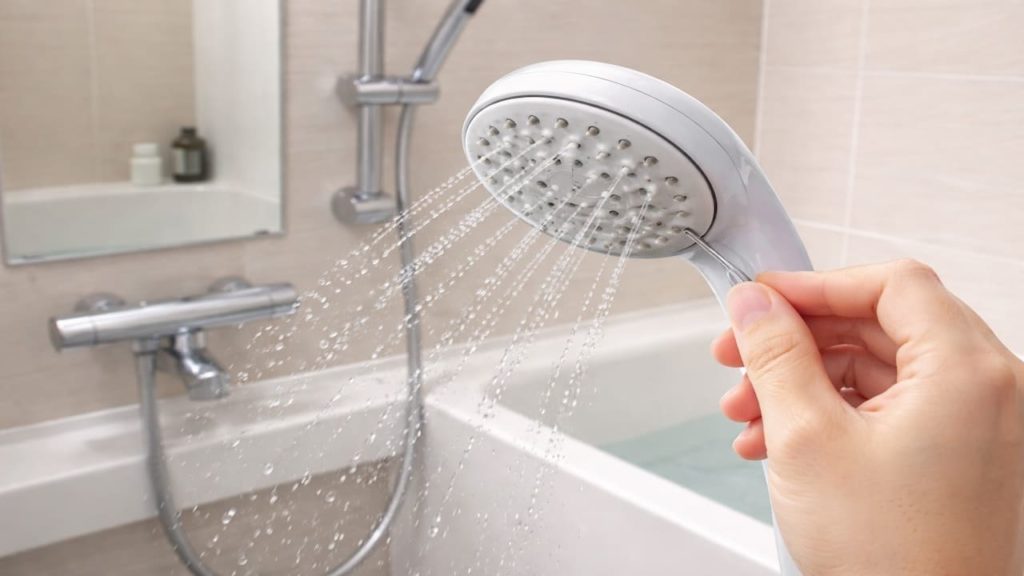
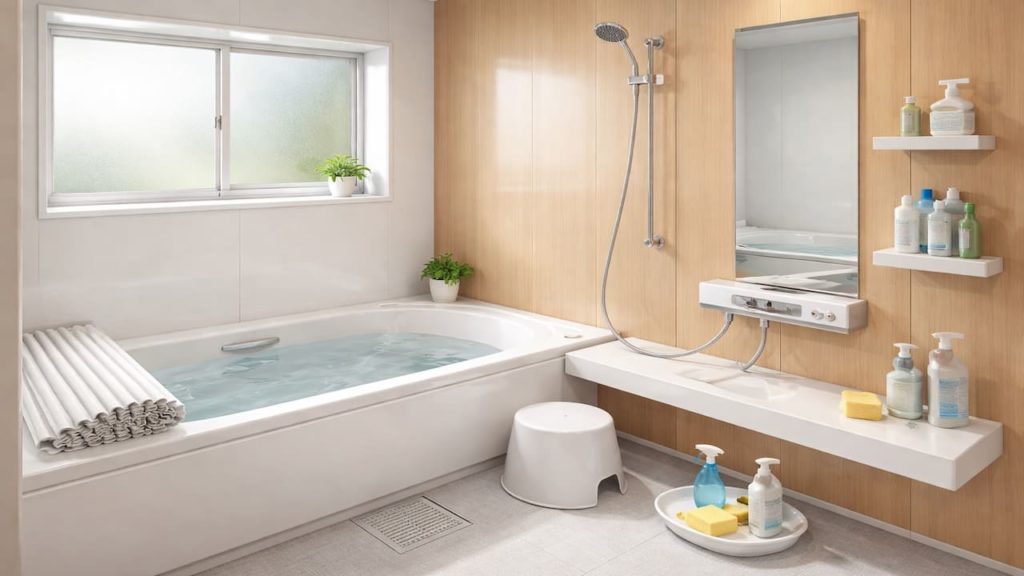
You finish showering, but the water just sits there and creeps up. The unit bath feels unusable and kind of nasty.
In Japan, drains often rely on hair catchers and tight covers, so one missed cleanup can slow everything down. Rainy-season humidity also keeps gunk soft and sticky.
In this guide, you’ll learn how to fix slow drainage fast with 5 checks that take minutes. You’ll also learn what to avoid so your Japanese unit bath stays safe and calm.

Hi, I’m Ken — I’m Japanese, and I live in Malaysia long-term, so I explain everyday life in Japan from a practical ‘from abroad’ perspective.
I hold a building design qualification and I’ve been on site for 20+ years across hundreds of jobs. I turn Japan’s unspoken rules into simple checks, so you can avoid costly mistakes and take the next step with clear actions that feel safe.
1. Unit bath won’t drain: 5 Checks
Most slow drains improve when you clear the top layers first—before you touch chemicals.
Japanese unit baths often clog right at the hair catcher and drain cover. Hair plus soap film becomes a net that blocks flow fast in small bathrooms. The fix is usually mechanical and quick, not mysterious.
Hair around the drain cover is a common cause of clogs and should be cleaned frequently. According to minimini.jp.
- Remove hair catcher and dump hair into trash
- Wipe drain cover underside and seating rim
- Check drain basket for slime and soap film
- Pour warm water slowly and watch swirl speed
- Listen for gurgle and note bubbling pattern
You might assume the clog is deep in the pipe. In Japan, the first blockage is often right where you can reach. Do these checks and you’ll know if it is a quick fix or not.
2. Fix slow water in minutes
You fix it faster when you confirm where the flow stops, not where the water pools.
Pooling can look dramatic in a compact Japanese unit bath, but the restriction may be a thin ring of residue. Warm water loosens film, and a quick wipe removes the “seal” that slows the drain. One good pass beats ten random rinses—especially in humid seasons.
Do not mix bleach with other cleaners because it can cause serious injuries. According to doh.wa.gov.
- Dry floor and test flow with small pour
- Mark water line and time drain seconds
- Wipe drain rim clean then retest flow
- Flush hair catcher area with warm water
- Run fan to reduce damp stink buildup
You may want to pour multiple products and hope. That is how people turn a simple clog into fumes and mess in Japan’s small bathrooms. Keep it one method at a time, then retest.
3. Why unit bath drains get slow in Japan
Drain speed drops because hair binds with soap film and tight drain parts trap it.
Hair forms a mesh, then shampoo and body oils coat it, and dust sticks to that layer. In Japan, the drain cover and basket design catches debris early, which is great until it is full. Humid air keeps the film soft, so it rebuilds quickly after a “half clean.” Drain physics.
- Check hair catcher for matted hair web
- Inspect drain cover edges for sticky residue
- Look for pink slime near drain seams
- Notice slow swirl and weak suction pull
- Smell drain area after warm water rinse
You might blame the building or age. Sometimes plumbing is old, but the repeat cause is the same top-layer gunk. If you keep the catcher clean, Japan unit baths usually drain fine.
4. How to restore normal draining safely
Restore flow safely by pulling debris up and flushing gently, then stop once it improves.
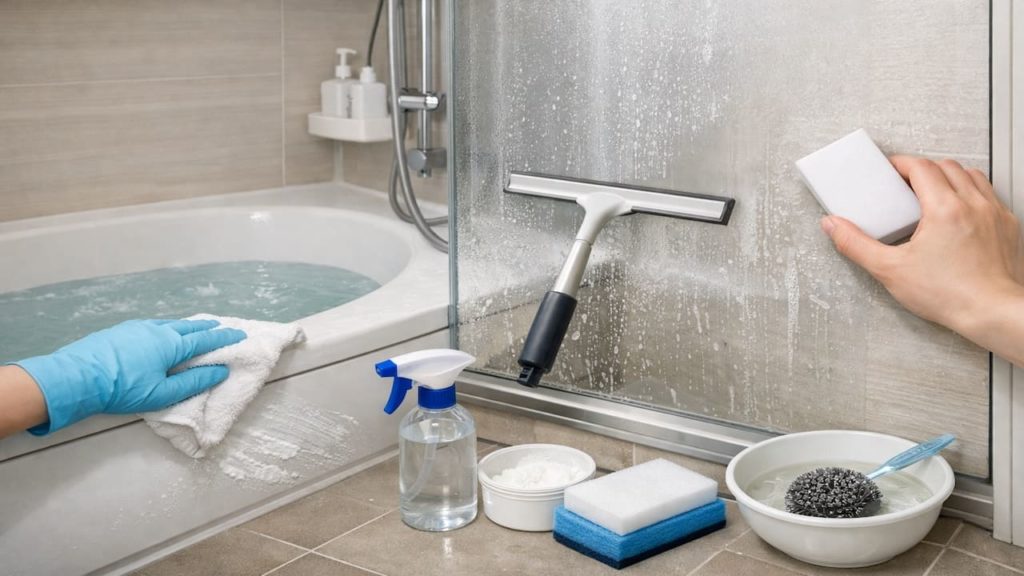
Start with gloves and ventilation, then pull hair upward instead of jabbing downward. A simple hook tool or small drain brush is usually ¥100–500 for basic supplies in Japan. Keep it gentle so you do not damage plastic parts—then finish with a controlled flush.
- Wear gloves and start fan before handling gunk
- Hook hair clumps and pull them upward
- Wipe drain seating rim until smooth surface
- Pour warm water in two small batches
- Test drain speed with bucket pour once
You may worry you will push the clog deeper. That happens when you stab or blast water too hard. Pull up, flush slowly, and retest after each round so you stop at “good enough.”
5. FAQs
Q1. Is boiling water safe for a unit bath drain?
Boiling water can stress some plastic parts, so avoid it. Use hot tap water and pour slowly to prevent splash and warping.
Q2. Can I use drain cleaner in a small unit bath?
You can, but follow the label and ventilate well in Japan’s compact bathrooms. Never stack products, and rinse well before switching methods.
Q3. What is the fastest first move when it won’t drain?
Pull and clean the hair catcher and drain rim before anything else. That single step fixes a huge share of slow drains in Japanese unit baths.
Q4. Why does it clog again after I clear it?
You removed hair but left the slippery film on the rim and cover underside. Wipe those surfaces smooth so new hair cannot latch immediately.
Q5. When should I call maintenance or a pro?
If water backs up within seconds or you hear gurgling from other drains, stop. That can signal a deeper blockage beyond the unit bath basket.
Pro's Tough Talk

I’ve spent 20+ years working around Japanese homes, so I’ve seen what tends to work—and what tends to go wrong—in everyday use. You’re not doing life wrong. In the rainy season, a slow drain can turn your shower into a shallow pond.
Cause 1: hair makes a net, and the net catches everything, like a tiny fishing net you never asked for. Cause 2: soap film turns that net into glue, like syrup left on a spoon overnight. Cause 3: you “flush harder” and push the mess deeper, then act surprised when it returns. You pull the catcher and it looks like a small wig. You watch the water rise and do the quiet panic stare.
Now, pull the hair catcher and trash the mat. Today, wipe the drain rim and cover underside. This weekend, use a simple hook tool and retest flow.
Pull up then flush gently and the drain usually behaves again. If you did this and it still fails, next is a proper drain snake or a maintenance call. That’s the line between routine gunk and a deeper blockage.
Seriously.
Keep “power rinsing” and your drain will keep “power resisting” like it’s training for a rematch.
Summary
Check the hair catcher, rim residue, and drain cover underside first, then retest with a controlled warm-water pour. In Japan’s compact unit baths, most slow drains are top-layer clogs.
If it still backs up fast or you hear system gurgling, escalate early instead of forcing it. That decision saves damage and stress in rentals.
Do the 5 checks once today and make the hair catcher a daily habit. Fast drains come from small routines so keep exploring related unit bath maintenance next.