You hit “drying mode,” but the unit bath still feels damp, and your electricity bill feels heavier. It’s frustrating because the feature should help, not punish you.
In Japan, unit baths are compact and sealed, so steam condenses fast on cool walls and ceilings. In tsuyu humidity or winter condensation, drying can take longer than you expect.
In this guide, you’ll learn how to run drying mode efficiently so the room dries fast without waste. You’ll learn simple timing, airflow, and pre-dry moves that fit Japanese bathrooms.

Hi, I’m Ken — I’m Japanese, and I live in Malaysia long-term, so I explain everyday life in Japan from a practical ‘from abroad’ perspective.
I hold a building design qualification and I’ve been on site for 20+ years across hundreds of jobs. I turn Japan’s unspoken rules into simple checks, so you can avoid costly mistakes and take the next step with clear actions that feel safe.
1. Unit bath drying mode: 5 Tips
The best way to save power is shorten the runtime with five simple habits.
Drying mode is basically a moisture removal machine, and time is the hidden cost. If you leave puddles on ledges and the floor, the unit has to work longer. In Japan’s small unit baths, a one-minute wipe can cut drying time a lot—fast payoff. Routine.
- Squeegee walls once before starting drying mode
- Wipe ledges and gasket line with towel
- Clear hair catcher so water drains quickly
- Close windows and keep humidity from entering
- Use a timer and stop when surfaces feel dry
You might think “drying mode should handle everything.” It can, but it runs longer when you leave water everywhere. Pre-dry first, then let the machine finish the job.
2. Use it without wasting electricity
You waste less electricity when you choose the right mode for the right moment.
Many Japanese bathroom units have multiple modes like ventilation, 24-hour ventilation, and drying. Drying is strong but power-hungry, while ventilation can be much lighter for daily moisture control—use each for its job. Strategy.
Ventilation modes can use far less power than drying functions on bathroom dryer systems. According to Rakuten Energy.
Some bathroom ventilator/dryer remotes include eco-style operation and timer presets for drying. According to TOTO.
- Use ventilation after shower on normal days
- Use drying mode only when surfaces stay wet
- Pick eco mode when you can wait longer
- Set a fixed timer instead of running nonstop
- Start drying right after wiping water away
You may feel like “I paid for this feature, so I should blast it.” In Japan’s humidity swings, blasting is sometimes needed, but not every day. Match mode to moisture, and you keep comfort without waste.
3. Why drying mode wastes power in unit baths
It wastes power when it fights fresh humidity and leftover water at the same time.
If you open windows during rainy season, the unit can pull in humid air while trying to dry the room. If the drain is slow, water sits and keeps evaporating back into the air. In winter, cold wall surfaces create extra condensation, so the unit runs longer than you expect. Physics.
- Check if window is open during drying mode
- Check if door is fully sealed with no intake
- Check if drain flow is slow or gurgling
- Check if towel and mat are drying inside
- Check if ceiling edge stays wet after cycle
You might blame the machine. Often the machine is fine, but the room setup is feeding it extra moisture. Fix the setup, then drying mode feels “strong” again.
4. How to use drying mode efficiently every time
Use drying mode efficiently by wiping first then timing the run with airflow control.
Do the same short sequence after every shower so you stop guessing. Wipe the wet traps, confirm the drain is clear, then run the shortest timer that gets surfaces dry to the touch—cost is mostly time/effort. In Japan’s unit baths, the fastest savings come from stopping early, not running longer.
- Rinse soap residue off walls before wiping
- Squeegee walls once from top to bottom
- Wipe ledges and gasket line until dry
- Clear hair catcher and rinse drain rim
- Run drying mode on a short fixed timer
You may worry you will stop too early and invite mold. That is why you use a simple touch test at the end. If surfaces are dry and the air feels neutral, you’re done.
5. FAQs
Q1. Should I run drying mode after every shower in Japan?
Not always. On normal days, ventilation may be enough if you wipe water and keep airflow stable after bathing.
Q2. Is eco mode always cheaper?
Eco modes usually trade speed for lower power use, so they can be cheaper if you do not need fast drying. If you need quick dry, shorten runtime with wiping.
Q3. What is the single best way to save electricity?
Wipe water off first so the unit is drying air, not puddles. That alone can cut runtime in compact Japanese unit baths.
Q4. Can I open a window to help drying mode?
In rainy season, it can backfire by pulling in humid air. A controlled intake path is better than random outside moisture.
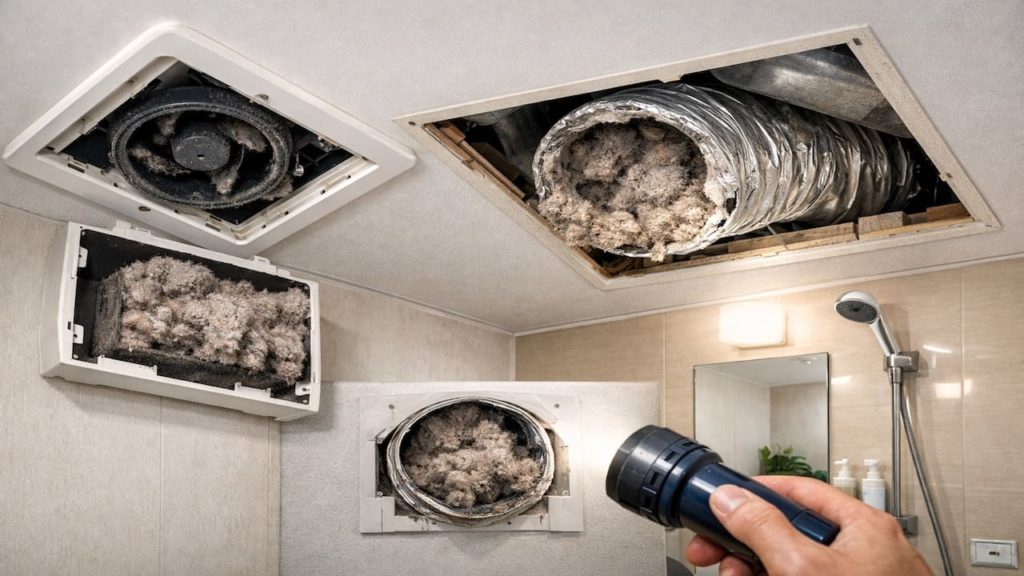
Q5. When should I suspect a fan or duct problem?
If drying mode runs but the room stays damp and smells return, airflow may be weak. In rentals, report if performance drops suddenly or noise changes.
Pro's Tough Talk

I’ve spent 20+ years working around Japanese homes, so I’ve seen what tends to work—and what tends to go wrong—in everyday use. I’ve been on site for 20+ years. I’ve worked on hundreds of jobs. In tsuyu season, people run drying mode like it’s a magic spell.
Cause 1: you leave puddles and ask electricity to mop for you, like paying a taxi to carry your groceries across the room. Cause 2: you feed it humidity with windows or wet laundry, like trying to dry a towel while holding it under a tap. Cause 3: you never time it, so it runs forever and still feels “not done.” You hit the button, walk away, and forget. You come back later and it’s still humming like it’s emotionally attached.
Now wipe the ledges and gasket line.
Today set a short timer and do a touch test.
This weekend clean the drain parts and confirm airflow.
Wipe then time it, and drying mode becomes a tool instead of a bill generator. If you did this and it still fails, next is checking fan suction and duct blockage with maintenance.
Tsukkomi: Stop treating the button like it owes you money.
Summary
Drying mode saves electricity when you remove water first, use the right mode, and stop on time. In Japan’s unit baths, small moisture loops decide the outcome.
If smells or dampness keep returning, use a clear rule: touch-dry surfaces plus stable airflow means you can stop early. If performance suddenly drops, escalate to a fan or duct check.
Tonight, do the wipe-and-timer routine once and lock it in. Short runs beat long runs, so keep exploring small unit bath habits that make daily care effortless.