You live in a shared building, and you want a Washlet without getting warned by management. That is a smart worry.
Rules are often about water risk and noise, not about comfort itself. In Japan, humid seasons and compact plumbing shafts make one leak spread fast.
In this guide, you’ll learn check building rules before you change anything and avoid move-out drama. You’ll also learn what is usually OK in Japanese condos and rentals.

Hi, I’m Ken — I’m Japanese, and I live in Malaysia long-term, so I explain everyday life in Japan from a practical ‘from abroad’ perspective.
I hold a building design qualification and I’ve been on site for 20+ years across hundreds of jobs. I turn Japan’s unspoken rules into simple checks, so you can avoid costly mistakes and take the next step with clear actions that feel safe.
1. Washlet shared building rules: 5 checks
Check whether your Washlet counts as plumbing work.
Shared buildings often separate “inside your unit” from “systems that affect others” — and Washlets touch water supply. In Japan condos, the management rules may require approval if your work could impact common parts or neighbors. If you skip this, even a tiny drip can become a building issue. Many standard bylaws require written approval before work that might affect common parts. According to mlit.go.jp.
- Find building rules section on plumbing changes
- Check if toilet seat is listed as fixture
- Confirm approval route board manager or landlord
- Note any banned works drilling adhesive or wiring
- Keep screenshots of rules and your request
You might think “it is only a toilet seat” so nobody cares. But in Japan shared housing, water and noise are everyone’s business, and rules exist for that reason. If you confirm the category first, the rest becomes easy and calm. No surprise later.
2. Know what you can change or not
You can often swap the seat but not alter shared parts.
Most buildings allow reversible changes that do not damage walls, wiring, or shared plumbing. In Japan rentals like UR, even simple remodeling can require notice or approval, so treat it as a paperwork step, not a fight. Keep the original seat and parts so you can restore fast at move-out. Some housing providers ask for a notice or application for remodeling items. According to ur-net.go.jp.
- Locate shutoff valve and label its direction
- Use existing outlet and avoid new wiring work
- Mount remote with stand not wall tape
- Keep original seat and bolts in sealed bag
- Do leak check at hose joints after use
You may assume the only risk is cosmetic. In Japan buildings, the real risk is water, and installation guides warn against hose damage and filter valve mistakes. If you keep everything reversible and avoid stressing hoses, you stay within the safe zone. According to totousa.com.
3. Why shared building rules get strict
Rules are strict because one leak can damage many units.
Shared buildings are connected by pipes, shafts, and ceilings, so “your problem” becomes “everyone’s problem” fast. In Japan, older buildings may have tighter restrictions because aging pipes and past leak history raise the stakes. Noise rules matter too, because thin walls make beeps and lid motors travel at night. Connected living.
- Assume water lines connect beyond your unit
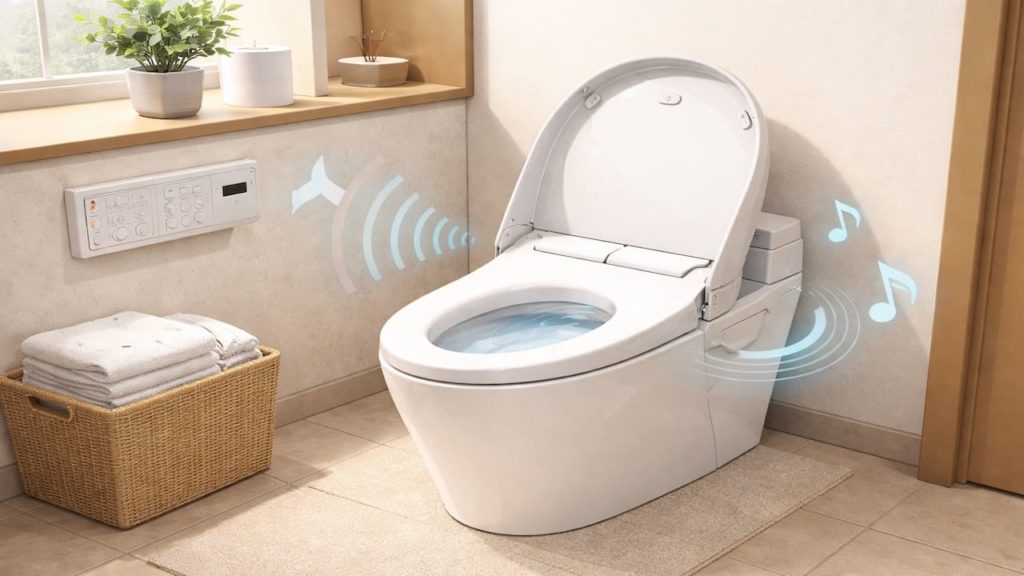
- Treat bidet seat as plumbing not furniture
- Plan for inspections when leaks have happened
- Respect quiet hours in thin wall buildings
- Expect stricter rules in older Japanese buildings
You might feel judged for wanting comfort. It is not personal, it is risk management, and Japan building boards are trained by past incidents. If you understand the why, you stop fighting the rules and start working with them. That is faster.
4. How to confirm rules and make a safe change
Ask one clear question and document your plan.
Do not ask “Can I install a Washlet” and hope for a yes. In Japan shared housing, ask what category it falls under and whether approval is needed, then show that your install is reversible. Budget ¥500–2000 once for a remote stand and basic washers if you need them. Keep the plan simple — then management says yes more often.
- Ask manager which parts are common property
- Submit simple spec sheet and install photos
- Use plumber if rules demand certified work
- Test with low pressure and confirm no splash
- Store all removed parts until move out
You might think documentation is overkill. It is the easiest way to avoid “he said she said” later, especially in Japan move-out checks. If you did the checks and they still refuse, next is using a portable solution or skipping the upgrade in that unit. Protect your deposit first.
5. FAQs
Q1. Do I always need permission in a condo?
If water connections change ask for approval first. Some Japan condo rules require written approval when work might affect common parts, even inside your unit.
Q2. What changes are usually safe for renters?
Reversible seat swaps with no drilling and no wiring changes are usually safest. Keep the original parts so you can restore quickly at move-out.
Q3. Can I stick the remote to the wall?
In Japan humidity, adhesive can creep and leave marks, so avoid it. Use a stand or a removable holder that does not damage surfaces.
Q4. What will management care about most?
Leaks, noise complaints, and damage to shared items are the big ones. If you show a leak check routine and reversible setup, approvals go smoother.
Q5. When should I hire a professional?
If rules demand certified work or you cannot access the valve safely, hire help. It is cheaper than paying for water damage across multiple units.
Pro's Tough Talk

I’ve spent 20+ years working around Japanese homes, so I’ve seen what tends to work—and what tends to go wrong—in everyday use. In Japan rainy season, a “tiny drip” turns into a ceiling stain downstairs, and everyone suddenly knows your name. So yeah, rules matter.
Three causes. First, people treat a Washlet like a chair upgrade, but it touches plumbing, so the building treats it like plumbing. Second, they “just try it,” then a hose twists like a kinked garden hose and leaks slowly. Third, they lose the original parts, then move-out becomes a missing-pieces puzzle like a bad jigsaw set.
Come on.
You know the scene where you install it at night, then stare at a single droplet like it is judging you. You know the scene where the board posts a leak notice, and you suddenly walk softer in the hallway.
Pull out the building rules and read the plumbing section now.
Message the manager with one clear question today.
Do the install only after written okay this weekend.
Reversible work keeps you safe and stress free. If you did this and it still fails, next is hiring a plumber or choosing a unit-approved model listed by management. That is the line between comfort and conflict.
Keep freestyle installing in shared housing, and you’ll learn the building rules the hard way, starring you.
Summary
Shared building rules are mainly about leak risk, noise, and damage, not about stopping comfort. Check whether your Washlet counts as plumbing work before you touch anything.
Reversible changes and good documentation keep approvals smooth and move-out clean. If management refuses, protect your deposit and switch to a safer alternative.
Ask one clear question and keep original parts today. You get the comfort you want without becoming the next building notice on the lobby board.