You find a weed in a crack or a planter and you have no idea what it is. You just want to name it fast so you can decide what to do next.
In Japan, the same spot can grow totally different weeds depending on season, shade, and how the soil got there. Some are harmless, some spread by seeds, and some come back from roots.
In this guide, you’ll learn how to identify common weeds in Japan with quick visual checks. You’ll use leaf shape, season clues, and seed behavior so you stop guessing and start choosing the right action.

Hi, I’m Ken — I’m Japanese, and I live in Malaysia long-term, so I explain everyday life in Japan from a practical ‘from abroad’ perspective.
I hold a building design qualification and I’ve been on site for 20+ years across hundreds of jobs. I turn Japan’s unspoken rules into simple checks, so you can avoid costly mistakes and take the next step with clear actions that feel safe.
1. Weeds identification in Japan 5 checks
Start with a quick photo and 5 visual checks.
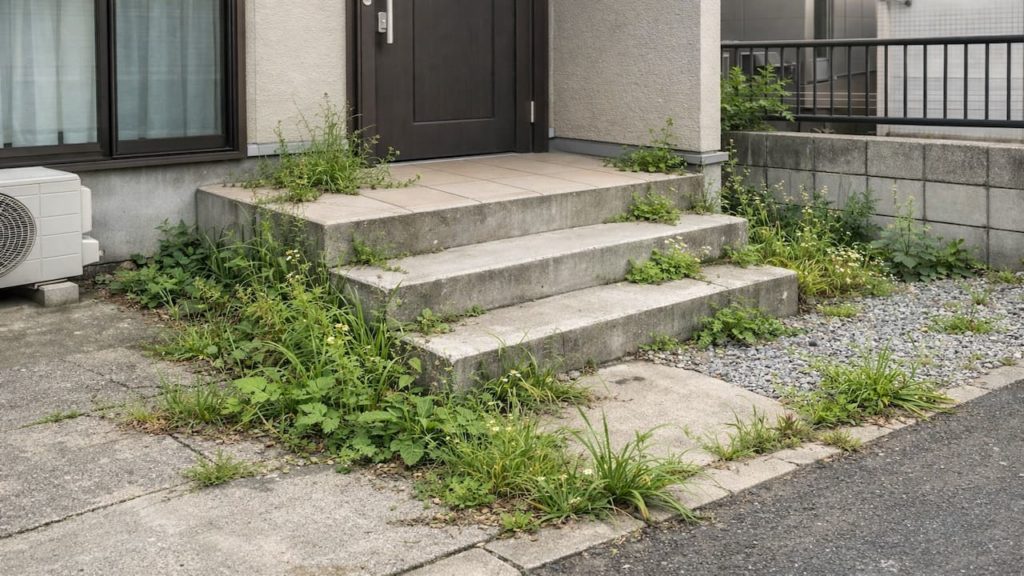
Weed ID feels hard because you try to remember names instead of patterns—so your brain melts. Japanese yards and balconies often mix gravel, dust, and tiny pockets of soil, which creates mini habitats. Winter weeds can look compact and tough, while summer weeds look fast and soft. No shame. You just need a repeatable method.
- Photograph leaf top and underside in daylight
- Check leaf edges smooth toothed or lobed
- Look at stem shape round or angular
- Search for hairs sheen or waxy coating
- Note where it grows crack pot or lawn
You might think “I’ll just pull it and move on.” That works for one plant, but it teaches you nothing, and the same weed returns next week. If you do the checks first, you’ll learn which ones reseed, which ones creep, and which ones are just tourists. Faster decisions later. That’s the whole game.
2. Leaf shape season and seeds
Leaf shape plus season tells you more than the name.
Leaf shape is your shortcut—don’t ignore it just because it sounds “botany.” In Japan, spring weeds often form low rosettes to survive wind and cold nights, then bolt when it warms. Summer weeds chase sun and water, so leaves get broader and growth gets taller. Seeds matter because one missed seed head can turn a tiny patch into a yearly problem.
- Check if leaves form a flat rosette
- Compare new leaves versus older leaf shape
- Look for seed heads tiny spikes or fluff
- See if stems branch or stay single
- Track if it appears same month yearly
“But I need the exact name,” sounds logical, but you usually don’t. For home control, you need to know the weed’s strategy: seed bomber, creeping runner, or deep-root survivor. Season and seeds reveal that strategy fast. Name later if you want.
3. Why weed ID goes wrong in Japanese homes
Most misidentification happens because the plant is stressed.
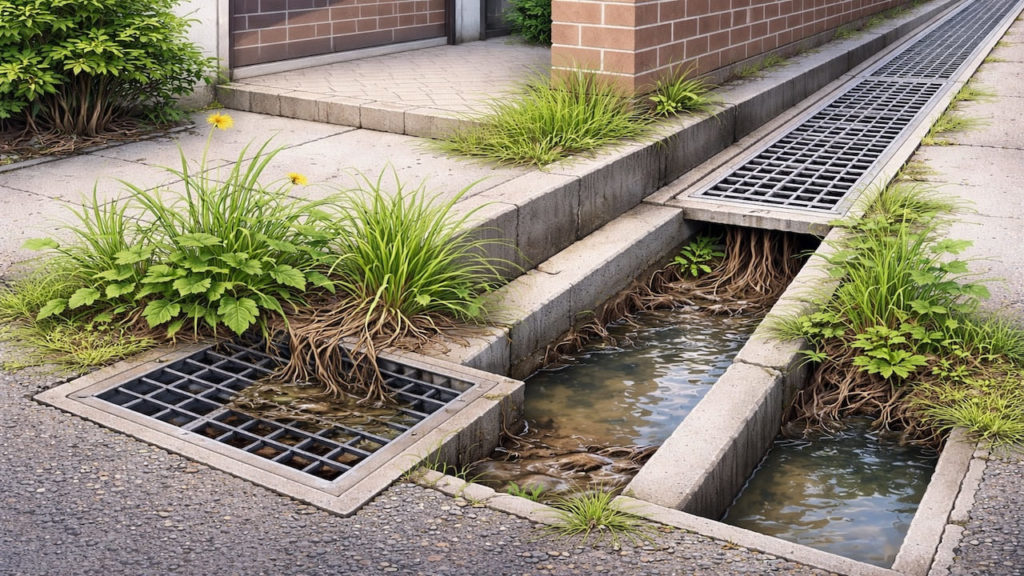
Weeds in cracks, gravel, and pots are often stunted, so they don’t look like the pretty guidebook photos—same species, different face. In Japan, rainy season swings plus hot humidity can change leaf size and color within days. Shade near fences or carports also stretches stems and thins leaves. Quick truth: stressed plants lie.
- Don’t judge from one tiny damaged leaf
- Check if mowing or pulling changed growth
- Notice shade stretch versus full sun shape
- Look for insect bites that mimic lobes
- Wait for new growth before final call
You might say “I compared a photo, it matched, done.” That’s how you end up treating the wrong target, then wondering why it returned. Instead, confirm with two features, not one: leaf edge plus stem, or rosette plus seed head. Two checks beat one. Every time.
4. How to identify weeds fast without special apps
Use a simple field note routine you repeat every time.
Do it like a quick inspection—same steps, same order, no overthinking. Pick one plant, take 3 photos, then do the 5 checks and write one line: place, month, and seed behavior. In Japan, balcony planters, genkan tiles, and narrow side paths collect blown soil, so the “where” clue is huge. The cost is mostly time/effort.
- Take three photos wide close and underside
- Write month and weather after last rain
- Pinch a leaf and smell for onion notes
- Pull gently to see fibrous or taproot
- Bag seed heads before you move plants
You might think “I’m not doing notes, that’s too much.” Cool, then you’ll keep re-solving the same puzzle every season. One line of notes saves you future time because you learn your own micro-ecosystem. Tiny habit. Big payoff.
5. FAQs
Q1. Is it dangerous if I cannot identify a weed?
Most yard and crack weeds are just annoying, not dangerous. If it causes skin irritation, has milky sap, or you have kids and pets touching it, handle it with gloves and bag it.
Q2. Can I identify a weed from one photo?
One photo is often not enough because lighting and stress change the look. Take a wide shot plus a close-up of the leaf edge and the stem, then check for seed heads.
Q3. What is the fastest single clue for regrowth risk?
Seed heads mean you are on a timer. In Japan, spring weeds can throw seeds fast on a warm week, so bag the tops before you shake the plant.
Q4. Do winter weeds and summer weeds need different ID checks?
The same checks work, but winter plants are smaller and tougher, so look harder for rosettes and waxy leaves. Summer plants show seed structures more clearly, which makes ID easier.
Q5. Should I keep the weed for later identification?
If you want a clean ID, keep one sample in a sealed bag and label the date and location — then remove the rest. Don’t leave pulled weeds on the ground if seeds are present.
Pro's Tough Talk

I’ve spent 20+ years working around Japanese homes, so I’ve seen what tends to work—and what tends to go wrong—in everyday use. You’re not “bad at plants,” you’re just staring at a stressed little survivor that doesn’t look like the textbook. In rainy season humidity, weeds morph fast and people panic faster.
Here’s the cold breakdown: weeds win by three tricks, seed, creep, or deep root. If you can’t tell which trick it’s using, you’ll choose the wrong move and it’ll clown you next month. Trying to name it first is like trying to solve a crime by staring at one footprint. And guessing from one leaf is like reading a movie from one frame.
Take a clear photo right now. Check for seed heads today. Do a full pull-and-bag cleanup this weekend.
If you see seed heads you bag first then remove. If it snaps and leaves a root, you switch to digging and repeat pulls until it weakens. If it creeps sideways, you trace the runner and don’t just rip the top.
Nice. You just promoted a weed to housemate.
Summary
Weed identification in Japan gets easy when you stop chasing names and start checking patterns. Leaf edge, stem shape, season timing, and seed behavior tell you what matters.
If your ID feels shaky, assume the plant is stressed and confirm with two features. When seeds show up, act faster and bag the tops first.
Do the same 5 checks every time and your guesses disappear. Start with one plant today, then keep scanning other problem spots so your next cleanup is quicker.